News
CDA Proposes 2.83km Margalla Hills Tourism Project

By Mariam Khan
Real Estate Analyst
3 min read
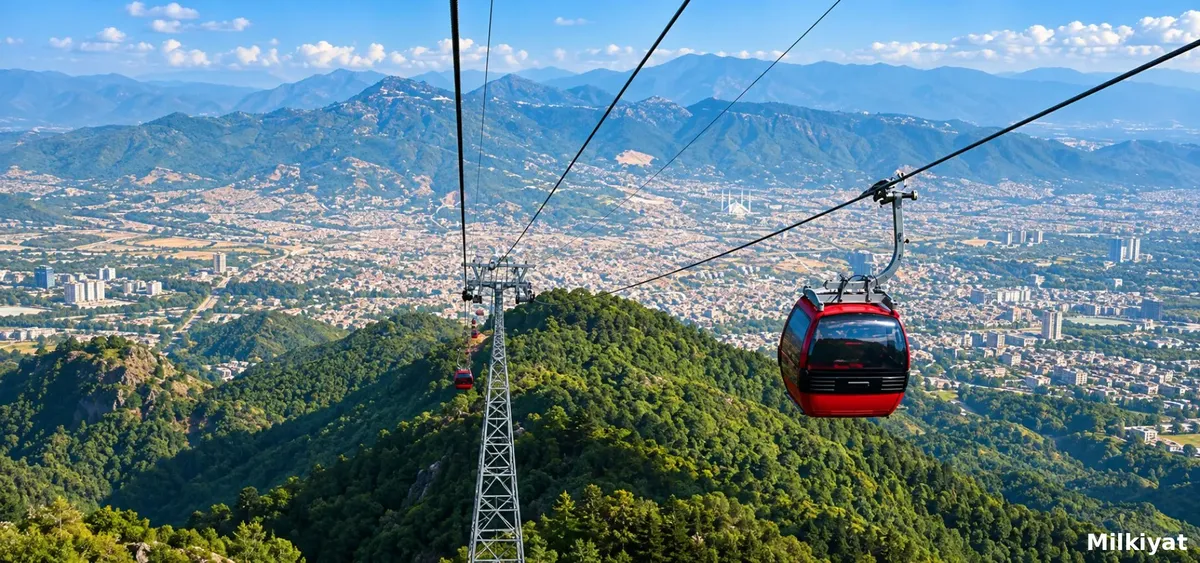
The Capital Development Authority has proposed a 2.83 kilometre zip line running through a valley in the Margalla Hills between Daman-e-Koh and the former Monal restaurant site. The project is being considered as part of a broader tourism and recreational centre intended to attract more visitors to Islamabad, and would rank among Pakistan's largest zip line installations if built.
This Is Not the First Attempt at an Aerial Attraction in This Area
CDA has pursued a comparable aerial attraction in the Margalla Hills before. The authority has previously planned to execute a chairlift project in the same general area, a plan that did not ultimately proceed to completion. This history is worth keeping in mind when evaluating the current zip line proposal, since it indicates CDA has identified this same stretch of the Margalla Hills as suitable for an aerial tourist attraction more than once, without a prior version of that vision being fully realised. Readers should treat the current proposal as a serious renewed effort rather than assume it will necessarily proceed to construction on the current timeline.
Why the Daman-e-Koh to Monal Route Was Chosen
Daman-e-Koh and the former Monal site are both already established, well known points of interest within the Margalla Hills, Daman-e-Koh for its panoramic viewpoint over Islamabad and Monal historically as a popular hilltop restaurant destination. Connecting these two locations with a 2.83 kilometre zip line would link two already recognised attractions rather than requiring CDA to build visitor interest in an entirely new location, which is a sensible approach for maximising the new attraction's draw from the outset.
Why This Sits Within a Broader Recreational Centre Plan
The zip line itself is described as part of a larger tourism and recreational centre being planned for the area, rather than a standalone installation. This distinction matters because a zip line built in isolation depends entirely on its own novelty to draw repeat visitors, whereas one built as part of a broader recreational complex, potentially including food, retail, or other attractions, has a better chance of sustaining visitor numbers over time by giving people more than one reason to visit.
Why Protected Park Land Makes This More Complicated Than a Typical Attraction
Any development within the Margalla Hills carries additional layers of consideration that a typical tourist attraction elsewhere would not, since the area falls within Islamabad's protected national park boundaries. CDA's own enforcement record shows the authority actively removing encroachments and unauthorised construction within these same protected boundaries, which means a CDA sanctioned tourism project of this scale within the park would need to be carefully distinguished from the kind of unauthorised construction the authority otherwise works to prevent in the same general area.
What This Means for Nearby Hospitality and Commercial Property
A substantial new attraction of this kind, if it proceeds from proposal to construction, could meaningfully increase visitor traffic to this part of Islamabad, supporting demand for nearby hospitality, food and beverage, and other tourism linked commercial activity in connected areas of the capital. Given the project's current proposal stage and the area's history of an earlier aerial attraction plan not being completed, property and hospitality interests near the Margalla Hills should treat this as a development worth monitoring rather than one to factor into near term plans until CDA moves the project from proposal toward formal approval.