News
Energas Consortium of Lucky Group and QatarEnergy Says It Will Not Proceed With Port Qasim LNG Terminal

By Mariam Khan
Real Estate Analyst
3 min read
ShareWhatsApp
News
By Mariam Khan
Real Estate Analyst
3 min read
SIFC directs the Petroleum Division to prepare a biomethane policy within four weeks following TerraGrid Energy's proposed waste-to-gas project in Faisalabad.
Compare D-12/1, D-12/2, D-12/3 and D-12/4 in Islamabad, including property prices, locations, plot options and buying considerations.
Explore houses for sale in I-10 under PKR 3 crore, compare 4 marla options, check sub-sector prices and understand what your budget can buy.
Discover how to evaluate Margalla-view apartments in E-11 Islamabad, compare floor premiums, check building quality and assess property prices before buying.
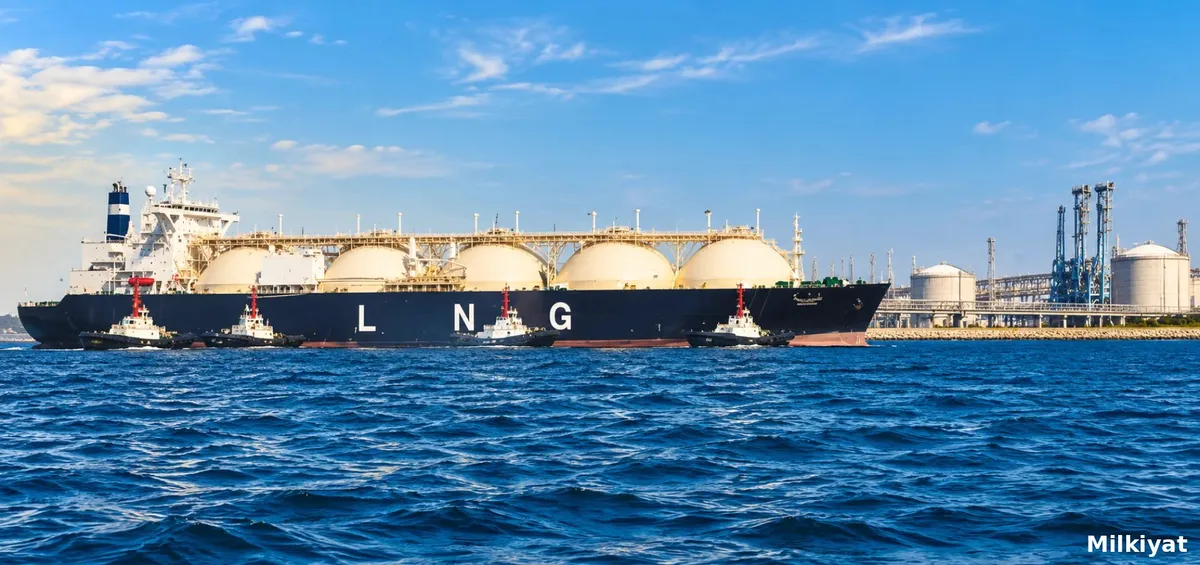
Energas, a consortium involving Pakistan's Lucky Group and QatarEnergy, has decided not to proceed with its proposed multimillion-dollar liquefied natural gas (LNG) terminal at Port Qasim. The decision was reported on October 26, 2026. The consortium cited changing national energy requirements, unresolved regulatory issues and fiscal disagreements. Energas has said it will not proceed, but the formal termination of its letter of intent remains subject to a November 30 deadline, and a dispute over the concession fee is unresolved.
The consortium cited a 2025 government energy study indicating that Pakistan would not require additional LNG terminals over the following five years. It also cited regulatory issues and fiscal disagreements, which the reports we have seen do not describe in detail. We give these as the consortium's reasons, and the authorities' views on them are not in the reports.
The Port Qasim Authority (PQA) has demanded unconditional acceptance of the final letter of intent by November 30, 2026. The authority has warned that the consortium's $2 million initial concession fee could be forfeited. Energas has approached Prime Minister Shehbaz Sharif seeking a refund. The reports do not say how the Prime Minister's office has responded, so the outcome is open.
The reports do not give the planned size or cost of the terminal beyond calling it multimillion-dollar, or say whether another party might take over the project. They also do not say what the letter of intent requires of the consortium if it signs. Energy policy is published by the Petroleum Division.
The withdrawal is a setback for a proposed major construction and energy infrastructure investment near Karachi, and it raises questions about regulatory certainty for private infrastructure investors. Reliable gas supply matters to industrial operations, commercial buildings and construction-material production. The withdrawal does not establish an immediate gas shortage or a measurable change in property prices, and we do not claim either.
Investors in port and energy projects will watch how the dispute ends. Builders and industrial users should not expect a change in gas supply from this decision alone. The signals to watch are the outcome after November 30, any decision on the $2 million fee, the Prime Minister's response, and whether the government changes its LNG plans.