News
Federal Cabinet Approves National Housing Policy 2025, Pushes High-Rise Housing and New Land Zoning Rules
News
News
Real Estate Analyst
5 min read
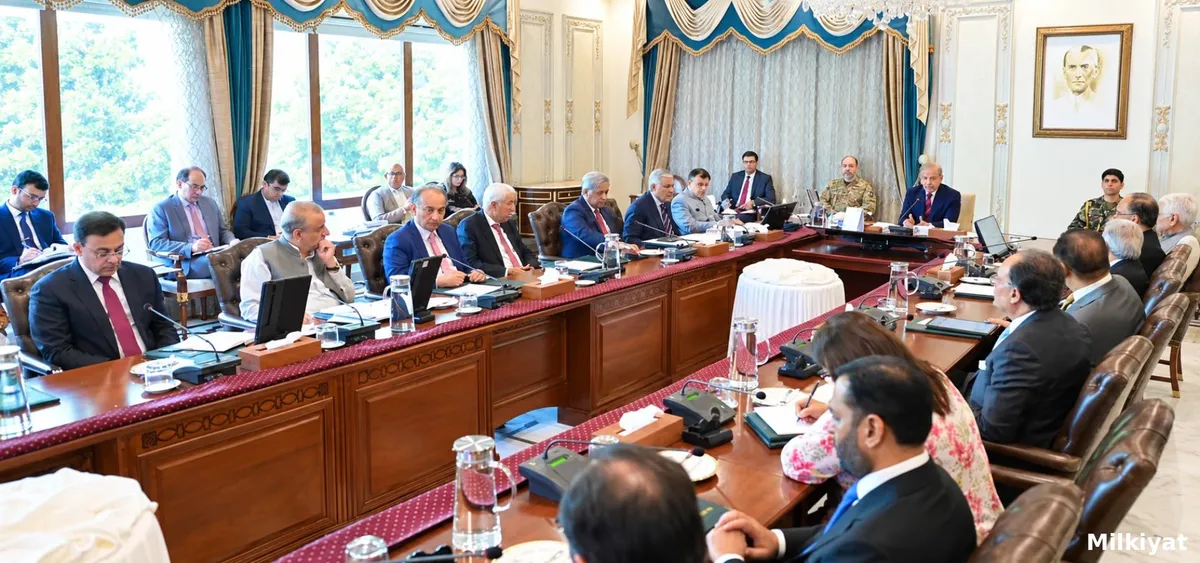
The Federal Cabinet has approved the National Housing Policy 2025 along with its implementation Action Plan, giving Pakistan an updated national housing framework after a gap of nearly 25 years, the previous such policy having been approved in 2001. The policy directs the Ministry of Housing and Works to promote vertical and high rise housing, work toward resettling katchi abadi residents in high rise apartments, and introduce land zoning, energy efficiency, and environmental sustainability requirements for new housing schemes.
According to the full policy document published by the Ministry of Housing and Works, the framework is structured around nine strategic themes covering land for housing, housing finance, construction services, technology and building materials, development of intermediate and secondary towns, slums and katchi abadis and squatter settlements, affordable and rural and rental and inclusive housing, institutional and legal framework, and green, energy efficient, climate and disaster resilient housing, alongside capacity building and knowledge sharing. On housing finance specifically, the policy identifies affordability and access as critical issues, recommending expanded financial instruments tailored to low and middle income households, including interest subsidies, risk sharing mechanisms, and microfinance solutions, alongside promotion of Islamic finance and digital financial tools.
While approving the policy, the Cabinet issued specific instructions to provincial and federal authorities to guard fertile agricultural land against unregulated real estate expansion, and directed that housing developments fully comply with existing zoning regulations going forward. To counter continued horizontal sprawl into agricultural land, the policy shifts national focus toward vertical construction, with multi storey apartments and high rises to be incentivised specifically to accommodate larger populations on a smaller land footprint. Energy efficiency codes are also to become a mandatory component of new residential projects, covering improved insulation, natural ventilation, efficient lighting, and energy saving building materials and technologies, intended to both reduce household energy costs and lower the construction sector's environmental footprint.
The Senate Standing Committee on Housing and Works has directed NAB to investigate alleged annexation of Shamilaat and forest land in FGEHA Sky Gardens, also known as Green Enclave-II in Bhara Kahu, raising fresh concerns over the scheme’s unresolved land status
Punjab has launched land record services at Pakistan’s Embassy in Abu Dhabi and Consulate in Dubai, allowing overseas Pakistanis in the UAE to obtain Fards and access official Punjab property records without travelling to Pakistan.
Prime Minister Shehbaz Sharif has directed provinces and territories to survey properties that can qualify for financing under the Apna Ghar Scheme, with Islamabad selected as the pilot city for a new mortgage-eligible plot identification system.
Punjab has prepared an Urban Water Management Plan targeting treatment of up to 930 million gallons of wastewater and surface water daily by 2029, while increasing the share of usable surface water in cities from 6% to 27% to reduce reliance on groundwater.
Real Estate Analyst
5 min read
The Federal Cabinet has approved the National Housing Policy 2025 along with its implementation Action Plan, giving Pakistan an updated national housing framework after a gap of nearly 25 years, the previous such policy having been approved in 2001. The policy directs the Ministry of Housing and Works to promote vertical and high rise housing, work toward resettling katchi abadi residents in high rise apartments, and introduce land zoning, energy efficiency, and environmental sustainability requirements for new housing schemes.
According to the full policy document published by the Ministry of Housing and Works, the framework is structured around nine strategic themes covering land for housing, housing finance, construction services, technology and building materials, development of intermediate and secondary towns, slums and katchi abadis and squatter settlements, affordable and rural and rental and inclusive housing, institutional and legal framework, and green, energy efficient, climate and disaster resilient housing, alongside capacity building and knowledge sharing. On housing finance specifically, the policy identifies affordability and access as critical issues, recommending expanded financial instruments tailored to low and middle income households, including interest subsidies, risk sharing mechanisms, and microfinance solutions, alongside promotion of Islamic finance and digital financial tools.
While approving the policy, the Cabinet issued specific instructions to provincial and federal authorities to guard fertile agricultural land against unregulated real estate expansion, and directed that housing developments fully comply with existing zoning regulations going forward. To counter continued horizontal sprawl into agricultural land, the policy shifts national focus toward vertical construction, with multi storey apartments and high rises to be incentivised specifically to accommodate larger populations on a smaller land footprint. Energy efficiency codes are also to become a mandatory component of new residential projects, covering improved insulation, natural ventilation, efficient lighting, and energy saving building materials and technologies, intended to both reduce household energy costs and lower the construction sector's environmental footprint.
The Senate Standing Committee on Housing and Works has directed NAB to investigate alleged annexation of Shamilaat and forest land in FGEHA Sky Gardens, also known as Green Enclave-II in Bhara Kahu, raising fresh concerns over the scheme’s unresolved land status
Punjab has launched land record services at Pakistan’s Embassy in Abu Dhabi and Consulate in Dubai, allowing overseas Pakistanis in the UAE to obtain Fards and access official Punjab property records without travelling to Pakistan.
Prime Minister Shehbaz Sharif has directed provinces and territories to survey properties that can qualify for financing under the Apna Ghar Scheme, with Islamabad selected as the pilot city for a new mortgage-eligible plot identification system.
Punjab has prepared an Urban Water Management Plan targeting treatment of up to 930 million gallons of wastewater and surface water daily by 2029, while increasing the share of usable surface water in cities from 6% to 27% to reduce reliance on groundwater.
The policy's katchi abadi and informal settlement theme addresses a population problem of genuine scale, with existing katchi abadis nationally housing an estimated close to 10 million households in structures that do not meet basic building standards for fire safety, ventilation, or adequate public space. Past experience in Pakistan has shown that residents given compensation to leave a specific katchi abadi have frequently not moved into planned housing with formal ownership rights, but instead relocated into a new informal settlement elsewhere, given how limited fiscal space has historically been for governments to build and hand over formal ownership at the scale required. The policy's direction toward resettling residents in high rise apartments reflects this same land efficiency logic applied specifically to slum upgrading, aiming to formally house significantly more people on the same land footprint than conventional low rise resettlement would allow.
The National Housing Policy 2025 was prepared by a working group of Pakistani and international experts, following consultations with federal ministries, provincial governments, and development partners. Federal Minister for Housing and Works Mian Riaz Hussain Pirzada described the Cabinet's approval as a significant achievement and a historic milestone for the ministry, given the nearly quarter century gap since the country's previous national housing policy framework.
This policy's approval comes as the government simultaneously expands its subsidised Apna Ghar housing finance programme, which offers first time homeowners loans of up to Rs10 million for purchasing or constructing homes. The two developments are directly connected: a national policy framework prioritising zoning compliance, vertical construction, and affordable housing finance instruments provides the structural policy backdrop against which an actively expanding, large scale mortgage subsidy programme like Apna Ghar is now operating.
A national policy framework and its accompanying action plan set direction and priorities, but implementation depends on provincial governments, development authorities, and municipal bodies actually adopting and enforcing the specific zoning, vertical construction, and energy efficiency requirements the policy calls for. No specific enforcement timeline or provincial adoption schedule has been detailed alongside the Cabinet's approval, meaning the practical, on the ground effect of this policy on actual housing scheme approvals will become clear only as individual provinces and authorities begin implementing its direction.
Developers and housing scheme sponsors should expect zoning compliance and, where applicable, energy efficiency requirements to become a more consistently enforced part of new scheme approval processes going forward, rather than assumptions that horizontal, low density development on agricultural land adjacent to cities will continue to be readily approved. Given the policy's explicit push toward vertical construction, developers planning new residential projects in and around Pakistan's major cities should factor incentives for high rise development into their planning, since this national framework signals sustained policy support for that model over continued outward, horizontal urban sprawl.
Residents of informal settlements should watch for how specific provincial and municipal authorities translate this policy's high rise resettlement direction into actual, funded projects, given the historical pattern of residents displaced from one informal settlement often relocating into another rather than into planned, formally owned housing. Buyers and renters in the affordable housing segment should similarly watch for the specific financial instruments, interest subsidies, risk sharing mechanisms, and microfinance products the policy calls for, since these are intended to directly expand affordable housing finance access for exactly this income segment.
The policy's katchi abadi and informal settlement theme addresses a population problem of genuine scale, with existing katchi abadis nationally housing an estimated close to 10 million households in structures that do not meet basic building standards for fire safety, ventilation, or adequate public space. Past experience in Pakistan has shown that residents given compensation to leave a specific katchi abadi have frequently not moved into planned housing with formal ownership rights, but instead relocated into a new informal settlement elsewhere, given how limited fiscal space has historically been for governments to build and hand over formal ownership at the scale required. The policy's direction toward resettling residents in high rise apartments reflects this same land efficiency logic applied specifically to slum upgrading, aiming to formally house significantly more people on the same land footprint than conventional low rise resettlement would allow.
The National Housing Policy 2025 was prepared by a working group of Pakistani and international experts, following consultations with federal ministries, provincial governments, and development partners. Federal Minister for Housing and Works Mian Riaz Hussain Pirzada described the Cabinet's approval as a significant achievement and a historic milestone for the ministry, given the nearly quarter century gap since the country's previous national housing policy framework.
This policy's approval comes as the government simultaneously expands its subsidised Apna Ghar housing finance programme, which offers first time homeowners loans of up to Rs10 million for purchasing or constructing homes. The two developments are directly connected: a national policy framework prioritising zoning compliance, vertical construction, and affordable housing finance instruments provides the structural policy backdrop against which an actively expanding, large scale mortgage subsidy programme like Apna Ghar is now operating.
A national policy framework and its accompanying action plan set direction and priorities, but implementation depends on provincial governments, development authorities, and municipal bodies actually adopting and enforcing the specific zoning, vertical construction, and energy efficiency requirements the policy calls for. No specific enforcement timeline or provincial adoption schedule has been detailed alongside the Cabinet's approval, meaning the practical, on the ground effect of this policy on actual housing scheme approvals will become clear only as individual provinces and authorities begin implementing its direction.
Developers and housing scheme sponsors should expect zoning compliance and, where applicable, energy efficiency requirements to become a more consistently enforced part of new scheme approval processes going forward, rather than assumptions that horizontal, low density development on agricultural land adjacent to cities will continue to be readily approved. Given the policy's explicit push toward vertical construction, developers planning new residential projects in and around Pakistan's major cities should factor incentives for high rise development into their planning, since this national framework signals sustained policy support for that model over continued outward, horizontal urban sprawl.
Residents of informal settlements should watch for how specific provincial and municipal authorities translate this policy's high rise resettlement direction into actual, funded projects, given the historical pattern of residents displaced from one informal settlement often relocating into another rather than into planned, formally owned housing. Buyers and renters in the affordable housing segment should similarly watch for the specific financial instruments, interest subsidies, risk sharing mechanisms, and microfinance products the policy calls for, since these are intended to directly expand affordable housing finance access for exactly this income segment.
