News
Heavy Rain Exposes Drainage Problems Across Rawalpindi-Islamabad

By Mariam Khan
Real Estate Analyst
3 min read
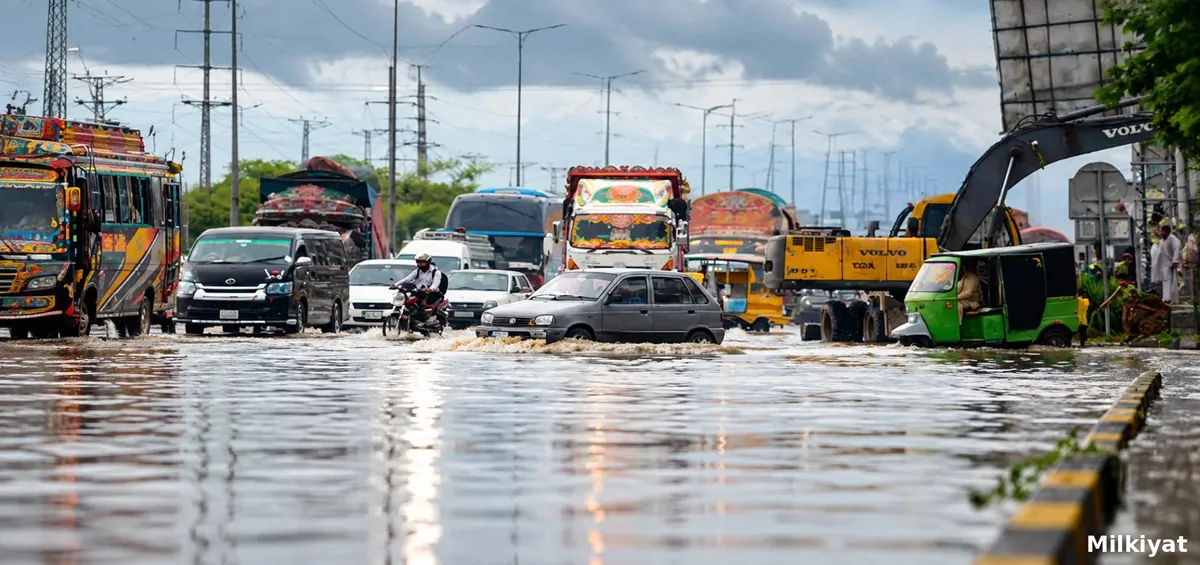
Fresh torrential rain caused widespread urban waterlogging across the twin cities, with water reaching around one foot on several roads. Rawalpindi Saddar, Saidpur Road, Rawal Road, Iqbal Road, Raja Bazaar, Girja Road, Dhok Syedan Road and Pindora Road were among the affected areas. The drainage network remains impaired following damage sustained during the monsoon.
Why This Event Confirms the Drainage Network Itself Remains the Core Problem
This latest waterlogging event, striking a wide spread of named roads and localities across both Rawalpindi and Islamabad, reinforces a pattern we have tracked through this monsoon season, that Nullah Lai and other main waterways in the twin cities have frequently not overflowed their banks during these episodes, with smaller drains and sewerage channels failing under pressure instead. The explicit confirmation here that the drainage network remains impaired following earlier monsoon damage is significant, it means each fresh spell of heavy rain is striking an already compromised system rather than a fully repaired one, making renewed waterlogging a predictable consequence rather than a surprising new development.
Why the Specific Locations Named Matter for Property Risk Assessment
Rawalpindi Saddar, Raja Bazaar, and the other named roads and localities represent a mix of commercial and mixed use areas within the twin cities, meaning this waterlogging event carries both residential and commercial property implications rather than affecting housing alone. Properties and businesses in these specifically named locations should be treated as carrying documented, repeated flooding exposure based on this and prior events this season, information genuinely relevant to valuation, insurance, and operational planning for anyone with property or business interests in these areas.
Why Unrepaired Drainage Damage Signals a Longer Term Vulnerability
The report's specific attribution of this event to drainage network damage sustained earlier in the monsoon season, rather than to rainfall volume alone, points to a structural vulnerability that will persist until repairs are actually completed, regardless of how much rain falls in any single future spell. This distinction matters for property owners and developers, since it means the underlying risk is a fixable infrastructure deficiency rather than an unavoidable consequence of Pakistan's monsoon climate, making the pace of actual drainage repair work the key factor determining how exposed these areas remain going forward.
Why This Strengthens the Case for Climate Resilient Construction Standards
Repeated urban flooding events of this kind are increasingly relevant to property valuations, development approvals, and buyer due diligence, and each additional documented episode in the same set of vulnerable localities adds further weight to the case for stormwater infrastructure investment and climate resilient construction standards in affected areas. Developers planning new projects in or near the named locations should factor drainage capacity and flood resilience directly into design decisions, given the now well established pattern of recurring waterlogging in these specific areas this season.
What This Means for Buyers, Owners and Developers
Prospective buyers evaluating property in Rawalpindi Saddar, Raja Bazaar, or the other named affected areas should treat this event as confirmation of genuine, repeated flooding risk specific to these locations, and should factor potential repair costs, insurance considerations, and drainage related due diligence directly into their evaluation. Property owners and developers in these areas should continue monitoring whether drainage repair work actually proceeds following this latest damage, since the persistence of an unrepaired network, rather than any single rain event, is what will determine whether this pattern continues through the remainder of the season.