News
Hormuz Shipping Remains Constrained as Iran Sets Conditions on Reopening

By Mariam Khan
Real Estate Analyst
4 min read
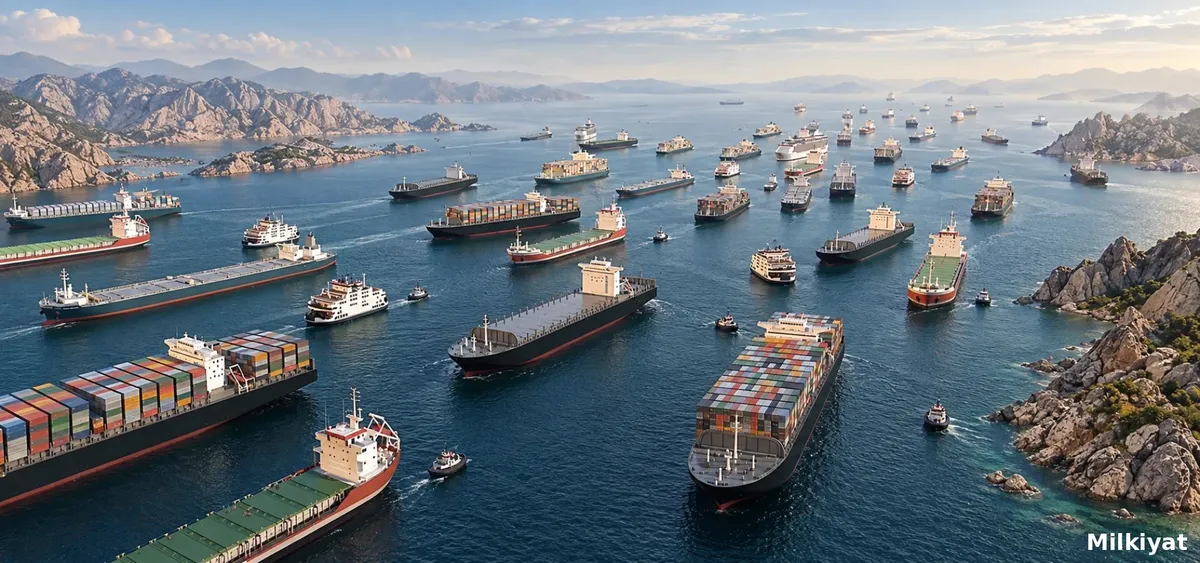
Fresh shipping data show 33.7 million barrels of crude had moved through the Strait of Hormuz so far this week, roughly keeping pace with the previous week, according to Reuters. Around 60 commercial vessels crossed on Wednesday, the highest daily crude volume since early July, but commodity vessel movements fell again on Thursday. Separately, a senior Iranian official told Reuters that Iran would not fully reopen Hormuz until its conditions in negotiations with the United States are met, despite the phased peace proposal reported a day earlier.
This Complicates the De-escalation Signal From a Day Earlier
This update arrives directly against the phased US Iran deal reportedly under discussion, which had raised the possibility of Iran reopening Hormuz while the US progressively lifted its economic blockade. Iran's own official now stating that full reopening depends on its negotiating conditions being met specifically tempers that earlier signal, confirming what we had already flagged, that these remain ongoing negotiations rather than a concluded agreement, and showing that Iran itself is not treating the reported proposal as settled.
Why Wednesday's Vessel Spike Does Not Yet Signal a Genuine Trend
The highest daily crude volume since early July on Wednesday might look like a meaningful improvement in isolation, but the subsequent drop in commodity vessel movements on Thursday, combined with weekly volumes roughly matching the prior week rather than showing sustained growth, indicates this was more likely a single day fluctuation than the start of a genuine, sustained increase in Hormuz traffic. Shipping data of this kind needs to be read across multiple consecutive weeks before it can reasonably be treated as evidence of a real change in the strait's operating conditions.
Why Iran's Conditional Stance Keeps Risk Genuinely Live
An Iranian official explicitly linking Hormuz reopening to unmet negotiating conditions means the disruption risk that has driven oil, freight, and insurance cost volatility for much of this year remains an active, unresolved variable rather than a risk that is fading as talks progress. This is consistent with the broader pattern seen throughout this conflict, where reported diplomatic progress has repeatedly been followed by statements or developments that reintroduce uncertainty, rather than a steady, linear path toward resolution.
Why This Matters for Pakistan's Oil, LNG and Construction Cost Outlook
Continued disruption and uncertainty around Hormuz keeps upward risk pressure on oil, LNG, freight, and insurance costs, all of which feed into Pakistan's diesel prices, electricity costs, and broader inflation, and ultimately into cement, steel, and construction material transport costs. This is a direct complication for the more optimistic reading many took from the phased deal reports and from Pakistan's own recent RLNG price cuts tied to successful Qatari cargo deliveries, since those benefits depend on continued reliable passage through the same strait Iran is now signalling it will not fully reopen without its conditions being met.
What This Means for Developers Going Forward
Developers and contractors should treat this as confirmation that Gulf shipping disruption risk has not actually resolved despite the more encouraging diplomatic signals reported a day earlier, and should continue building realistic contingency into construction cost projections rather than assuming a settled, lower risk environment. The more reliable signal to watch for remains sustained, multi week improvement in actual vessel transit volumes through Hormuz, combined with concrete progress on Iran's stated negotiating conditions, rather than any single day's shipping figures or diplomatic statement in isolation.