News
Islamabad Receives New High-Rise Firefighting and Rescue Fleet

By Mariam Khan
Real Estate Analyst
3 min read
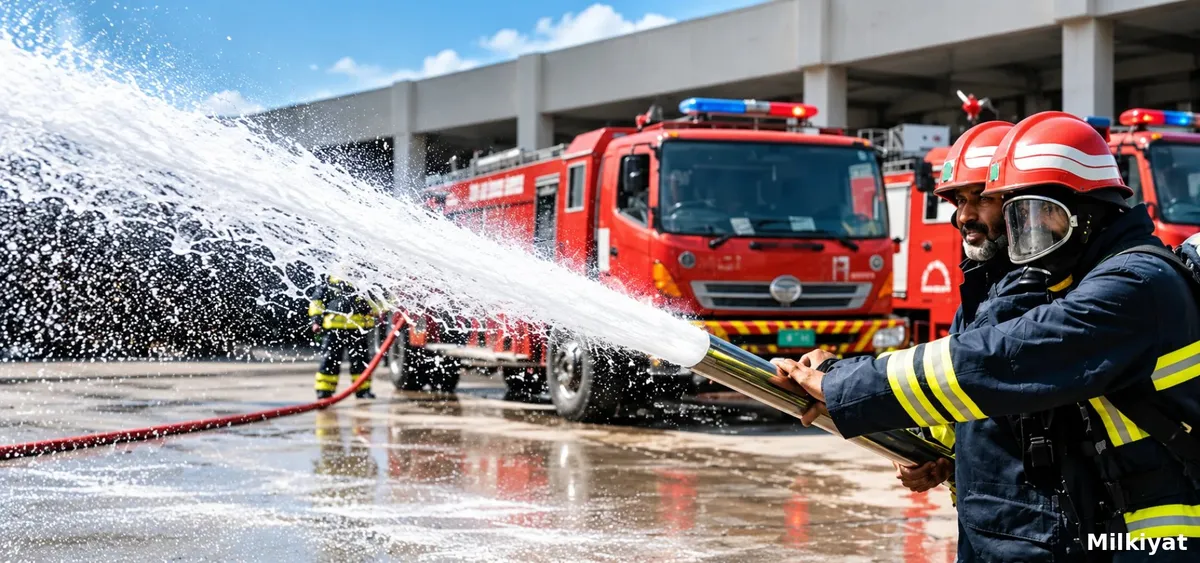
Islamabad is receiving 21 new firefighting and rescue vehicles from China, including four aerial fire trucks, six fire towers and five fire tenders. Some equipment can operate at heights of up to 256 feet, specifically improving the city's ability to respond to emergencies involving high rise buildings. The vehicles are expected to reach Islamabad from Karachi within five days.
Why the 256 Foot Reach Specifically Matters for Islamabad's Building Stock
Firefighting equipment capable of operating at heights up to 256 feet represents a genuine capability upgrade specifically relevant to taller buildings, since conventional firefighting equipment typically cannot effectively reach the upper floors of high rise structures during an emergency. As Islamabad's apartment tower and high rise commercial building stock has continued expanding, the absence of equipment matched to that height had represented a real, practical gap in the city's emergency response capacity, one this new fleet directly addresses.
Why a 21 Vehicle Fleet Represents a Substantial, Coordinated Upgrade
Twenty one new vehicles spanning four aerial fire trucks, six fire towers and five fire tenders, alongside other included units, is a substantial fleet addition rather than a token or symbolic gesture, suggesting a genuine, coordinated effort to build out comprehensive high rise emergency response capacity rather than acquiring a single specialised vehicle. This breadth across vehicle types, aerial trucks, fire towers and tenders, indicates the fleet is designed to address multiple different aspects of high rise firefighting and rescue operations rather than a single narrow capability gap.
Why This Could Directly Support Building Safety Enforcement
Improved high rise firefighting capacity strengthens the practical case for enforcing existing fire safety requirements on vertical developments, since regulators and building owners can point to genuine emergency response capability as justification for requiring compliant fire safety systems in new and existing high rise buildings. This kind of infrastructure investment often accompanies, or paves the way for, more rigorous enforcement of fire safety codes specifically for taller buildings, since the practical ability to respond to an emergency reinforces the case for preventing one through proper building design in the first place.
Why Timing Matters Given Islamabad's Expanding High Rise Market
This fleet arrives as Islamabad's apartment and commercial high rise market continues expanding, including recent regulatory attention to grid sharing and electricity infrastructure charges specifically tied to high rise buildings. Considered together, these developments point toward Islamabad's regulatory and emergency response infrastructure gradually catching up with the pace of the city's vertical development, a positive signal for the safety profile of high rise living and working spaces in the capital.
What This Means for High Rise Developers, Owners and Residents
Developers and owners of high rise apartment and commercial buildings in Islamabad should treat this fleet upgrade as a genuinely positive safety development, potentially supporting both actual emergency response capability and the broader case for fire safety compliance across the sector. Residents and tenants in existing and future high rise developments should view this as a meaningful improvement to the city's emergency response infrastructure, though the fleet's actual effectiveness will depend on its integration with building specific fire safety systems and emergency response protocols once fully deployed.