News
KP Plans $650m Fiscal Reforms to Modernise Property Tax Administration

By Mariam Khan
Real Estate Analyst
3 min read
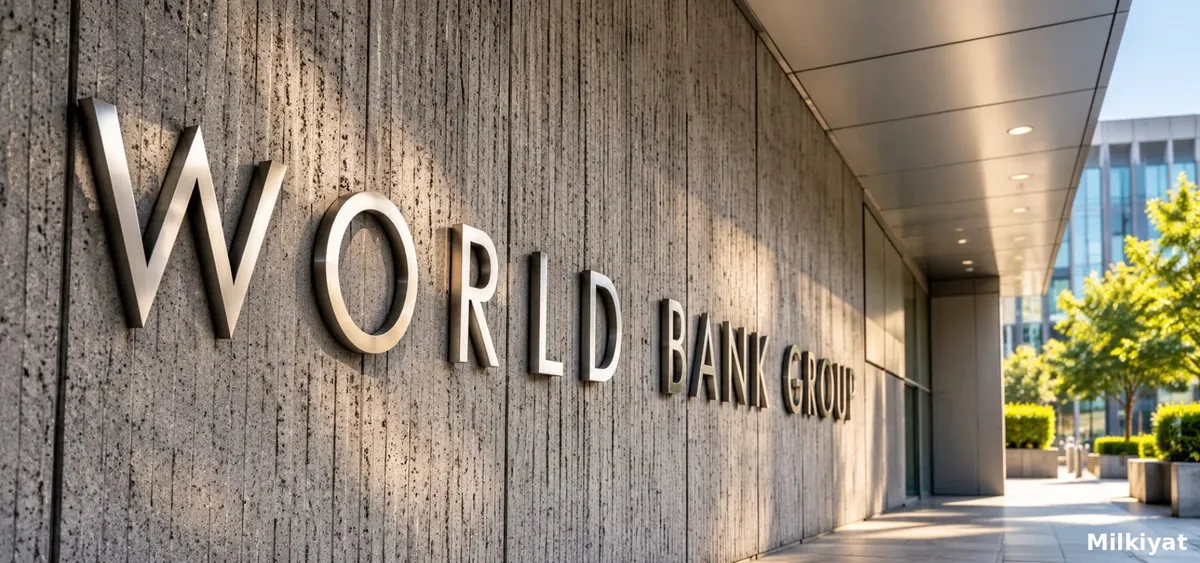
The Khyber Pakhtunkhwa government is preparing a six-year fiscal reform programme supported by the World Bank. The programme is estimated to cost $650 million, including a proposed $200 million World Bank loan expected to be considered later this month. It covers revenue collection, tax administration and public service delivery. The World Bank financing has not yet received final approval. The announcement does not introduce a new property-tax rate, and it concerns administrative and fiscal reform and not an immediate tax increase. Information is published by the Government of Khyber Pakhtunkhwa and the World Bank.
Why the $200m Loan Is Still Only Proposed
The $200 million loan is expected to be considered later this month. Consideration is not approval, and the reports we have seen say the financing has not received final approval. The loan is about 31 percent of the $650 million programme (our own calculation). The reports do not say where the rest would come from, whether provincial funds, other lenders or other sources, so we do not assume.
Why Property Owners Are Named
More than 700,000 property owners are among the expected beneficiaries of improved tax administration. The reports do not say what the benefit would be, such as quicker assessments, fewer disputes or easier payment. They also do not say whether owners would pay more or less. We therefore describe the 700,000 as an expected beneficiary group, not as a group facing a change in what they owe.
Why 12 Cities Already Digitised Is Worth Noting
Stamp-duty and property-tax records have already been digitised in 12 cities. The reports do not name the cities or say how complete the digitisation is. Further work is planned on revenue database integration, tax assessment and administration. Digital land records have been a feature of recent provincial reforms, as in KP's e-Fard portal for online land ownership records. The reports on the fiscal programme do not say how it relates to e-Fard, so we treat them as separate.
Why This Is Not a Tax Increase
The programme concerns how taxes are assessed and collected, and not their rates. Better records can change what some owners actually pay, for example when properties are brought into the tax net or valuations are updated, but the reports do not say that this is planned. The World Bank has separately recommended moving valuations closer to market values, as we reported in World Bank Urges Pakistan to Adopt Market-Based Property Tax Valuations. The reports on the KP programme do not link the two.
Why World Bank Lending Is Part of a Pattern
Provinces have been seeking World Bank support for several programmes, such as Sindh's request for $350m for flood-resilient infrastructure. Each is a separate programme with its own conditions, and the KP reports do not give the conditions attached to this loan.
What This Means for Owners, Buyers and Developers
Property owners in KP should keep their title, tax and stamp-duty documents in order, since digitisation draws on existing records. Buyers should expect more checking of records in transactions. Developers should watch for changes in assessment methods once the programme details are published. The signals to watch are the World Bank board's decision, the programme's published design and any change in assessment rules. Updates are published by the Government of Khyber Pakhtunkhwa and the World Bank.