News
Leh Nullah Erosion Threatens Homes and Shops in Rawalpindi as Administration Seals Risk Zone

By Mariam Khan
Real Estate Analyst
3 min read
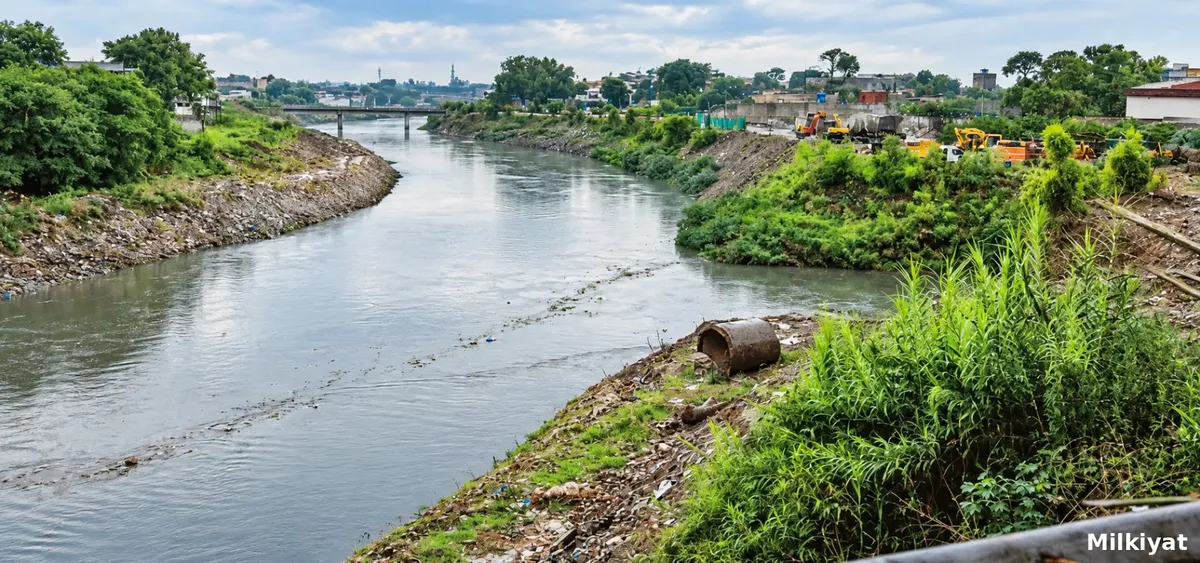
Fresh erosion along Leh Nullah has put homes and shops at serious risk across a roughly 15 kilometre stretch of Rawalpindi running from New Katarian to Gulistan Colony, with the most severe damage concentrated near Ganj Mandi, where 10 shops and three houses now face a genuine risk of collapse. The district administration has declared the affected area hazardous and sealed it to prevent public access, and has closed the bridge connecting Ratta with Dhoke Ratta as a precautionary measure.
How Close the Erosion Has Come to Standing Buildings
The scale of this erosion is best understood through how much ground has actually been lost. In some stretches, the distance between standing buildings and the nullah has shrunk from roughly 50 yards to as little as 10 metres, a reduction significant enough to explain why the administration moved to seal the area outright rather than simply monitoring it. Beyond Ganj Mandi, floodwater erosion has also washed away access routes near residential properties in Sagri Mohalla and damaged the unpaved route between Ratta Road and Ganj Mandi, while repair work has separately begun on the embankments near Gawalmandi Bridge.
What Triggered This Round of Erosion
Residents in the affected areas attribute the intensified erosion to illegal construction waste being dumped along the nullah, which they say obstructed the natural water flow and altered the direction floodwater took during a September 1 deluge that brought roughly 200 millimetres of rain to the area. This is a documented pattern rather than a one off event, this same stretch of Leh Nullah had already drawn warnings over land erosion in the days before this latest escalation, and a separate report around the same period flagged that a historic bridge along the nullah was itself at risk of collapse, indicating the waterway's overall condition has been deteriorating across multiple points rather than this being an isolated incident at Ganj Mandi alone.
What the Administration Has Said
Deputy Commissioner Nadeem Nasir noted that modernising and improving Rawalpindi's drainage system has been included in the Punjab Development Project, pointing to a longer term infrastructure response rather than an immediate fix for the current risk zone. Residents in the affected areas have specifically called for concrete retaining walls, reinforced embankments, and stronger enforcement against the waste dumping they blame for worsening the erosion, none of which has yet been confirmed as under way at the currently sealed sites.
Why This Matters for Property Values and Safety Along the Nullah
For property owners and prospective buyers along Leh Nullah, this episode is a direct, current illustration of the flood and erosion risk that has been building along this waterway for some time, not a hypothetical concern. Buildings positioned close to the nullah anywhere along this affected 15 kilometre stretch, not just at Ganj Mandi specifically, should be treated as carrying elevated structural risk until the drainage and embankment improvements referenced by the Deputy Commissioner are actually completed. Anyone evaluating property near Leh Nullah should factor in both the immediate collapse risk documented at Ganj Mandi and the broader pattern of erosion and infrastructure strain evident across the wider stretch, rather than assuming risk is confined to the specific block currently sealed off.