News
M-1, M-14 and GT Road Closures Disrupt Islamabad-KP Transport Links

By Mariam Khan
Real Estate Analyst
3 min read
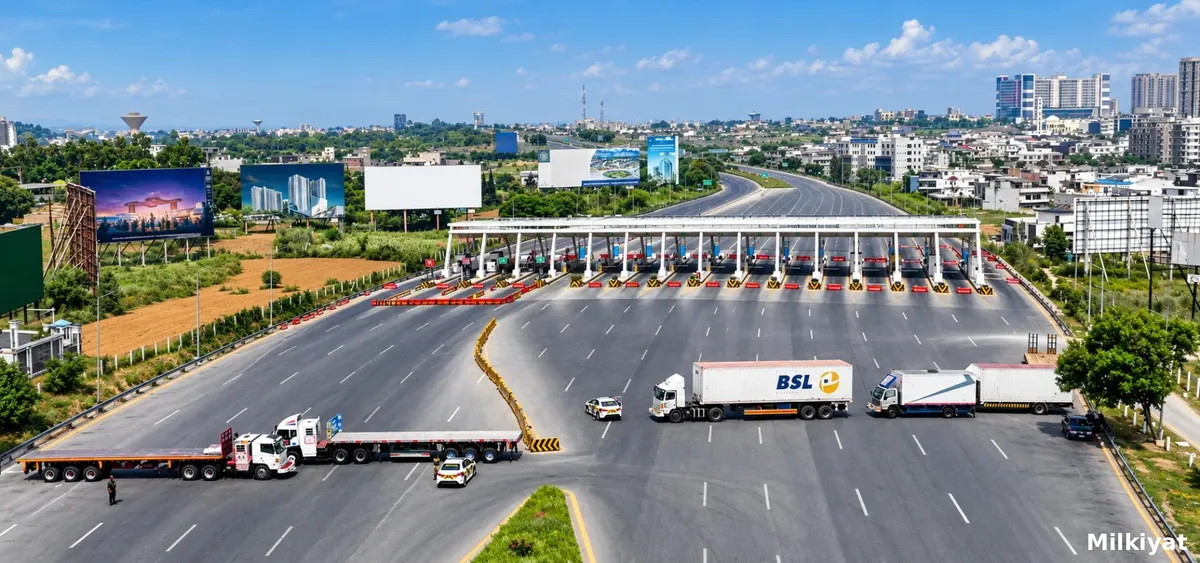
Authorities have suspended traffic on sections of the M-1 and M-14 motorways and N-5, GT Road, affecting connectivity between Islamabad, Rawalpindi, Attock, and Khyber Pakhtunkhwa. The closures were put in place ahead of a planned political march toward Islamabad, with mobile services also expected to face suspension in Islamabad, Rawalpindi, and Attock over the affected period.
Why This Corridor's Closure Carries Outsized Logistics Weight
The M-1, M-14, and GT Road corridor is one of Pakistan's most heavily used freight and passenger routes, connecting Islamabad and Rawalpindi directly with Attock and onward into Khyber Pakhtunkhwa. A simultaneous suspension across multiple parallel routes on this corridor is more disruptive than a single road closure would be, since it removes the alternate routing options that normally allow freight and passenger traffic to divert around a single blocked road, concentrating the disruption's effect on anyone needing to move between these areas during the closure period.
Why Traders Are Already Concerned About Transport Costs
Separate reporting indicates traders are concerned that prolonged M-1 disruption could increase transport costs and interrupt commodity supplies, a concern grounded in how central this corridor is to freight movement along the Islamabad to Peshawar axis. For the construction sector specifically, this corridor carries a meaningful share of cement, steel, and other building material shipments moving between northern Punjab and Khyber Pakhtunkhwa, meaning a prolonged closure has the potential to delay material deliveries to active construction projects along and beyond this route.
Why the Duration of the Closure Is What Actually Matters
A short term closure over a day or two, even across multiple parallel routes, is unlikely to meaningfully affect construction schedules or costs, since most projects carry at least some buffer for short delivery delays. The real risk to construction logistics and material costs would only materialise if the closure extends significantly beyond its initially planned period, which is why this situation is worth monitoring for its duration specifically rather than treating the closure itself as automatically consequential for the property and construction sector.
What This Means for Construction Projects Along the Corridor
Contractors and developers with active projects depending on material deliveries routed through Islamabad, Rawalpindi, Attock, or further into Khyber Pakhtunkhwa should account for potential short term delivery delays while this corridor remains disrupted, and should have contingency routing or supply buffers in place where possible. This is not yet a structural property market story, and readers should treat it as a logistics factor to watch rather than a settled cost or supply disruption, with the practical impact depending heavily on how long the current road and mobile service suspensions remain in effect.