News
NDMA Launches Urban Flood Resilience Vision 2027 to Strengthen Pakistani Cities

By Mariam Khan
Real Estate Analyst
3 min read
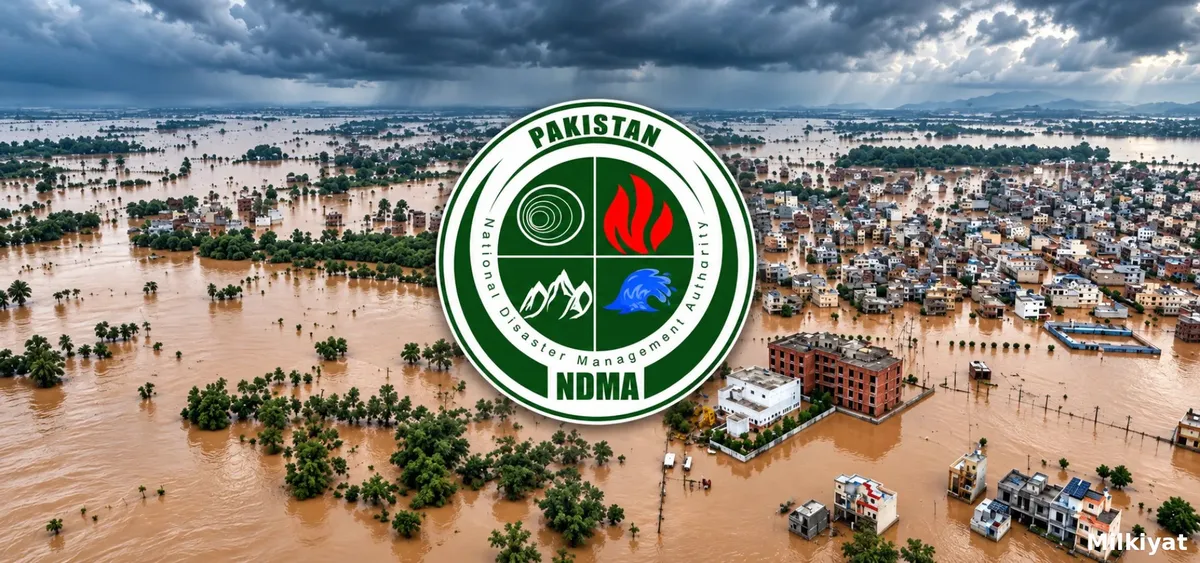
The National Disaster Management Authority has launched work on Urban Flood Resilience Measures, Vision 2027, titled Beyond the Rains and Floods, a long term initiative aimed at strengthening Pakistani cities against urban flooding ahead of June 2027. The initiative brings together government departments, urban planners, water management experts, and major development authorities to examine what went wrong during the flooding experienced across 2025 and 2026 and to build a more durable response than emergency rainfall management alone.
Who Is Involved and What Is Being Examined
The initiative has convened a wide set of stakeholders, including the Capital Development Authority, water and sanitation agencies, the Rawalpindi Development Authority, and the Lahore Development Authority, reflecting how urban flooding cuts across multiple jurisdictions and agencies rather than sitting within any single authority's mandate. The review is specifically examining flood prone urban areas, vulnerable infrastructure, drainage network capacity and deficiencies, stormwater management gaps, the deterioration of natural drainage corridors, and the institutional coordination failures that have historically slowed effective response during flooding events.
Why NDMA Is Framing This as a Shift in Approach
NDMA Chairman Lieutenant General Inam Haider Malik said the goal is to move beyond a reactive response to rainfall and flooding toward sustained, long term planning for more resilient urban centres. Participants in the initiative's early sessions concluded that urban flooding cannot be addressed through rainfall management alone, and that a genuinely effective response requires coordinated action across infrastructure investment, urban planning, and institutional coordination rather than treating each flooding season as a standalone emergency to be managed after the fact.
What the Initiative Aims to Deliver Before June 2027
The initiative has set priority interventions to be completed before June 2027, spanning drainage maintenance, stormwater capacity enhancement, protection of natural waterways and drainage corridors, and integrating flood resilience considerations directly into how urban development is planned and approved going forward. Framing flood resilience as something to be built into development approvals themselves, rather than addressed separately after construction, marks a meaningful shift from how flood risk has typically been treated in Pakistani urban planning to date.
What This Means for Property Owners and Developers in Flood Prone Cities
For property owners, developers, and investors in cities that have experienced significant urban flooding in recent years, this initiative signals that drainage capacity and flood resilience are likely to become a more explicit factor in how development authorities evaluate and approve new projects over the coming years. Developments in areas already identified as flood prone or served by inadequate drainage infrastructure could face additional scrutiny or new resilience requirements as this initiative's findings translate into concrete policy, making it worth tracking closely for anyone with existing or planned projects in cities named among the participating development authorities.