News
Over 160 Karachi Buildings Fail Fire Safety Compliance Checks
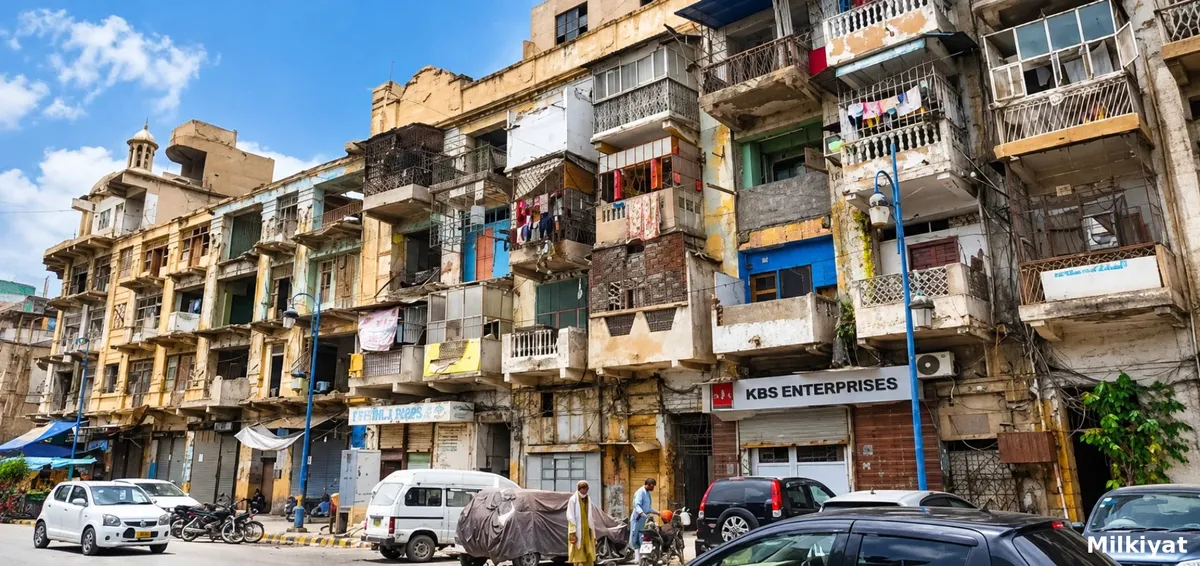

By Mariam Khan
Real Estate Analyst
3 min read
A new report based on data from Sindh's Provincial Disaster Management Authority identifies 162 non-compliant buildings in Karachi. Of 907 identified buildings, 615 are awaiting second-phase inspections. Across Sindh, 486 buildings are classified as high-risk. Karachi Commissioner Syed Hassan Naqvi has instructed authorities to accelerate inspections and to issue notices to buildings lacking the required fire-safety arrangements. Provincial disaster-management information is published by the Sindh PDMA.
Why 162 Is Not the Whole Picture
The 162 non-compliant buildings are the ones identified so far, out of 907 buildings in the report. The 162 are about 18 percent of the 907 (our own calculation). Because 615 buildings, about 68 percent of the total (our own calculation), are still awaiting second-phase inspections, the final count of non-compliant buildings could change. The reports do not say what the second phase examines or how long it will take, so we cannot say whether the number is likely to rise.
Why the Province-Wide Figure of 486 High-Risk Buildings Is Different
Across Sindh, 486 buildings are classified as high-risk. That is a separate category from "non-compliant", and the reports do not say how the two overlap or how a building is classed as high-risk. The 486 should not be added to or subtracted from the Karachi figure of 162.
Why Notices Are the Next Step
The Commissioner has told authorities to accelerate inspections and issue notices to buildings lacking required fire-safety arrangements. A notice is the start of an enforcement process and not a penalty in itself. The reports do not say what deadlines owners will be given, what fines apply or whether buildings can be sealed. We have covered related enforcement in Karachi, including SBCA's construction halt over safety, though the reports on fire safety do not link the two.
Why Fire Safety Is a Property Issue
Fire-safety compliance matters to commercial property owners, apartment buildings, developers and prospective buyers. Inspections could lead to additional compliance costs for owners, such as installing alarms, extinguishers, sprinklers or exits, and to enforcement action against those who do not comply. The reports do not list the requirements, so we have not named them. On the response side, we have covered equipment purchases elsewhere, as in Islamabad's new high-rise firefighting and rescue fleet.
What This Means for Owners, Tenants and Buyers
Owners and managers of commercial and apartment buildings in Karachi should check their fire-safety arrangements and keep records, since notices are expected. Tenants and buyers should ask whether a building has passed inspection before leasing or buying, and should be cautious about buildings that cannot show compliance. The signals to watch are the second-phase inspection results, the number of notices issued and any announced deadlines. Updates will come from the Sindh government and the Sindh PDMA.