News
Pakistan Gives IMF Timeline for DISCO Privatisation

By Mariam Khan
Real Estate Analyst
3 min read
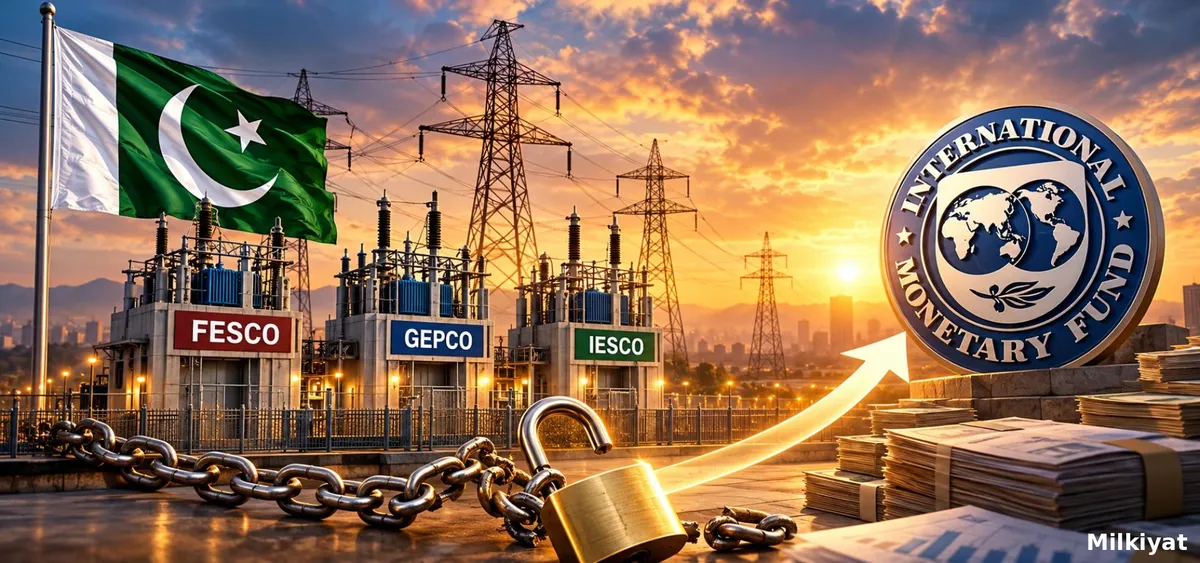
Pakistan has reportedly shared a detailed electricity distribution privatisation schedule with the International Monetary Fund. The first phase targets FESCO in January 2027, GEPCO in February and IESCO in March, followed by other distribution companies later in 2027. The discussions also cover electricity subsidies, circular debt and the future tariff framework.
Why a Month-by-Month Schedule Is a Step Beyond General Intent
Naming specific distribution companies and months, FESCO in January, GEPCO in February and IESCO in March, is more concrete than a general commitment to privatise. A schedule shared with the IMF also carries weight because the Fund monitors Pakistan's progress, so slippage would be visible. It remains a reported schedule, however, and privatisation timetables in Pakistan have a history of shifting, so these dates are targets rather than confirmed transaction dates.
Why the Three First-Phase Companies Matter Geographically
FESCO, GEPCO and IESCO serve Faisalabad, Gujranwala and the Islamabad region respectively, which makes the first phase a set of large urban and industrial supply areas. Property owners, industrial users and developers in these regions would be the first to see any change in service quality or billing under private ownership, if the schedule holds.
Why the Link to Circular Debt and Subsidies Is the Core of the Story
The reported discussions cover electricity subsidies, circular debt and the future tariff framework alongside privatisation, which points to privatisation being treated as one part of fixing the sector's finances rather than a stand-alone reform. We have tracked circular debt as an unresolved target within Pakistan's IMF programme, and this schedule can be read as part of the effort to address it. Whether privatisation actually reduces circular debt depends on how losses and recoveries are handled, which this report does not detail.
Why the Effect on Property Costs Is Indirect and Uncertain
Distribution efficiency, subsidies and tariff structure all influence what households and businesses pay for electricity, and so affect commercial property operating costs and electricity costs for construction and industry. How privatisation would change those costs is not settled: improved efficiency could help, but tariff and subsidy decisions could push in either direction. We have also tracked pressure on bills from fuel cost adjustments sought by distribution companies, which shows how sensitive bills are to the sector's costs.
What This Means for Developers, Property Owners and Industrial Users
Developers and commercial property owners in the first-phase regions should treat this as an early signal rather than a change they can budget for, and watch for confirmed transaction dates, any tariff framework announcements and the treatment of subsidies. The most useful developments to follow are formal approvals of the sale process for FESCO, GEPCO and IESCO, and any IMF statement endorsing or adjusting the schedule.