News
Pakistan Proposes National Water and Sanitation Investment Platform and Wastewater Reuse Push at COP31

By Mariam Khan
Real Estate Analyst
3 min read
ShareWhatsApp
News
By Mariam Khan
Real Estate Analyst
3 min read
LDA approves verified GPA-based plot transfers in LDA City, making property transactions easier for overseas Pakistanis through authorised representatives.
SBP raises the gemstone sector's export payment limit from 10% to 30%, giving exporters greater flexibility in managing international trade payments.
Pakistan's property files often trade like financial assets, but unclear ownership rights and weak disclosure can expose buyers to legal and investment risks.
Prime Minister Shehbaz Sharif targets Rs1 trillion in Apna Ghar housing loans within six months, urging banks to simplify financing requirements.
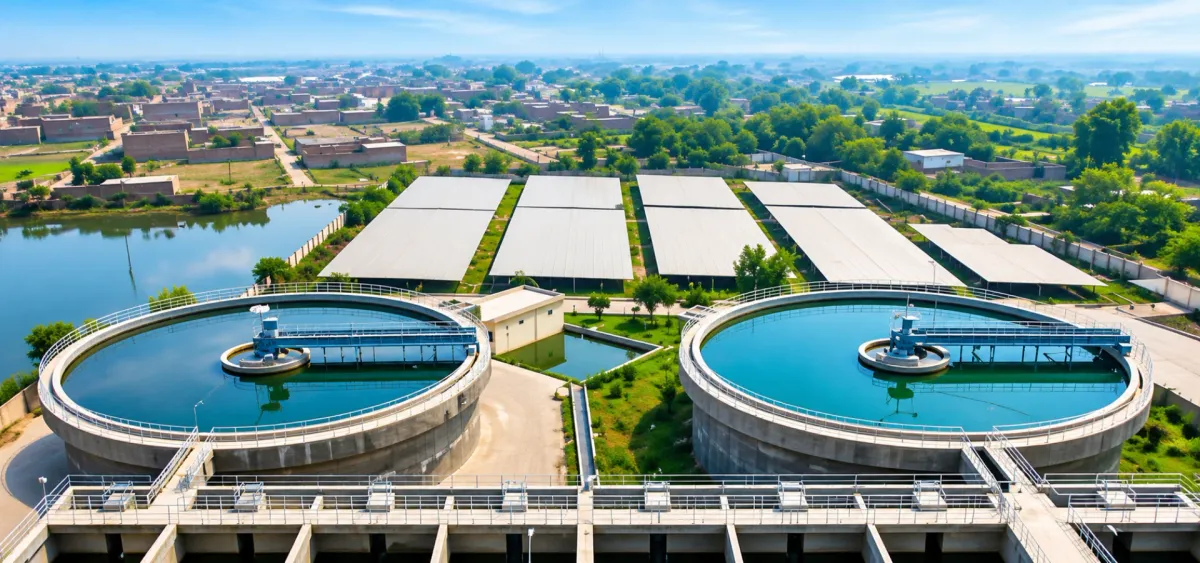
Pakistan's Climate Change Minister Dr Musadik Malik has said the country wants public and private investment to move wastewater management from conventional disposal to a circular model of treatment, recycling and reuse, according to a report published on November 17, 2026. He made the remarks on the sidelines of the COP31 climate conference in Antalya, Türkiye, during a meeting with UNICEF's Cindy Kushner, who oversees the agency's work on water, sanitation and hygiene and on climate, environment and energy. This is a proposal and a statement of intent. The reports we have seen do not show an agreed project or funding. UNICEF's work in the country is described by UNICEF Pakistan.
The minister cited water-security pressures from climate change, pollution and extreme weather. He said the Indus Basin faces glacial melt, extreme heat, floods and pollution. He proposed a national investment platform for water and sanitation that would turn climate vulnerabilities into "bankable" projects by drawing on public investment, climate finance and private-sector finance. The priority named is wastewater circularity, especially raising the share of wastewater that is safely treated and reused, which the report describes as currently low. The discussion also covered Pakistan's preparations for the 2026 UN Water Conference, co-hosted by Senegal and the UAE.
The report does not give a cost, a budget, a size, a launch date or a legal structure for the platform. It does not give the share of wastewater now treated or reused. It does not name any city, project, investor or partner, and it does not report any commitment from UNICEF. We make no prediction about whether the platform will be created. Federal climate policy is published by the Ministry of Climate Change and Environmental Coordination.
Sewerage, drainage and wastewater treatment are basic parts of urban development, and they shape how well housing schemes and city expansion can be serviced. If a platform of this kind were set up and financed, it could eventually support such infrastructure. None of that has happened. No project, location or land requirement was announced, and no effect on property values has been established.
Developers should not treat the proposal as a source of funding for any scheme. Buyers can already ask how a project will handle sewage and wastewater, and whether it has a treatment arrangement. The signals to watch are a formal announcement of the platform, its funding terms, the first named projects and any rules on wastewater treatment for new schemes.