News
Pakistan Seeks US EXIM Financing for Refinery Upgrades and Reko Diq

By Mariam Khan
Real Estate Analyst
3 min read
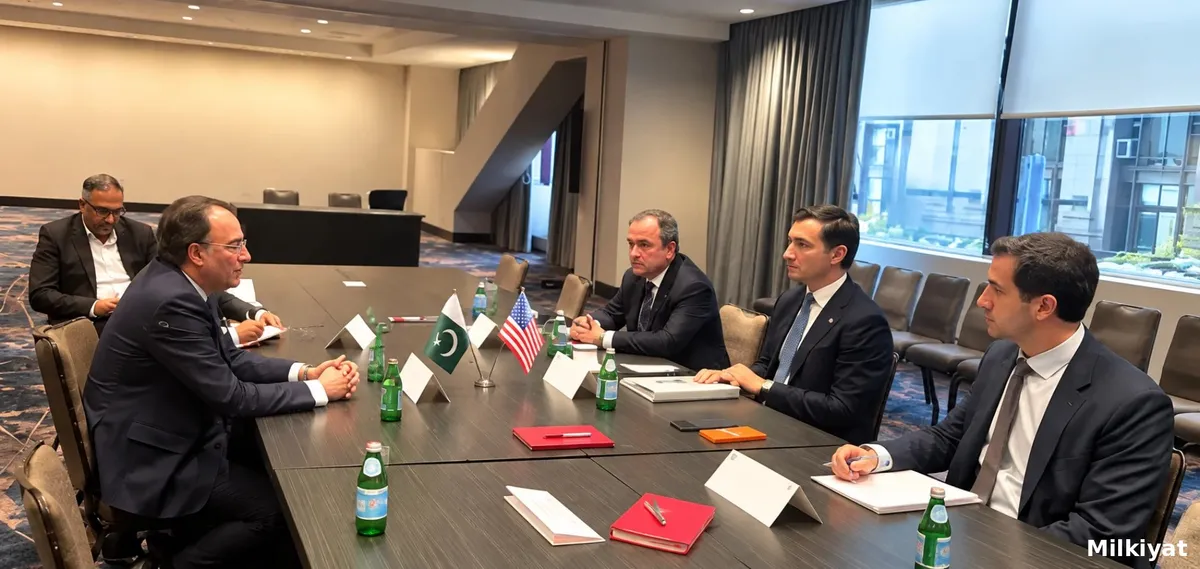
Finance Minister Muhammad Aurangzeb has held talks with the United States Export Import Bank over financing for several large scale projects, including Pakistani refinery modernisation and the Reko Diq mining project, alongside separate financing for PIA aircraft. Both sides agreed to continue working toward a broader cooperation framework while prioritising individual transactions in the meantime.
This Builds on an Already Active Financing Review
This is not the first contact between Pakistan and US EXIM on Reko Diq specifically. The US Export Import Bank had already been reviewing the project's financing package after Pakistan recalculated Reko Diq's project costs, and separate US statements earlier this year indicated readiness to back mining projects in Pakistan more broadly. This latest round of talks therefore represents continued progress on an already active financing relationship rather than a first approach, which is a reasonable basis for treating this development as further along than an initial financing request would be.
Why Refinery Modernisation Matters for Construction Costs Specifically
Refinery upgrades are directly relevant to Pakistan's longer term fuel cost environment, since modernised refining capacity can affect the availability, quality, and eventually the cost of domestically refined fuel products including diesel, which feeds directly into construction machinery, generators, and freight transport costs for building materials. While refinery financing decisions and any resulting upgrades take considerable time to materially affect domestic fuel markets, this is a genuine long term input into the same fuel cost environment that has kept construction logistics costs elevated through much of this year.
Why Reko Diq Carries Broader Property and Industrial Land Implications
Large scale mining projects like Reko Diq typically generate substantial demand for supporting infrastructure well beyond the mine site itself, including industrial land for processing and logistics facilities, worker housing, warehousing, and supporting commercial development in surrounding areas. A project of Reko Diq's scale, once financing is secured and development proceeds, has historically been expected to create this kind of secondary demand in Balochistan, making continued progress on its financing a relevant, if indirect, property development signal for the region.
Why This Remains a Financing Discussion, Not a Signed Commitment
Both sides have agreed to continue working toward a broader cooperation framework while prioritising individual transactions, language that indicates ongoing negotiation rather than finalised financing agreements for either the refinery or Reko Diq components specifically. Readers should treat this as a meaningful step in an active financing process rather than confirmation that funding has been secured, and should watch for a more concrete financing agreement or specific transaction terms as the clearer signal of actual progress.
What This Means Going Forward
For property and industrial development interests tracking Balochistan and Pakistan's broader energy infrastructure, continued progress in US EXIM financing talks for Reko Diq and refinery modernisation is a positive but still preliminary signal. The practical property and construction cost effects of either project, industrial land demand around Reko Diq and any eventual fuel cost effects from refinery upgrades, would only materialise well after financing is actually finalised and construction or upgrade work begins, making this a longer term development to monitor rather than an immediate market factor.