News
Pakistan's $6bn Refinery Upgrade Plan Advances as Three Refineries Sign Agreements

By Mariam Khan
Real Estate Analyst
3 min read
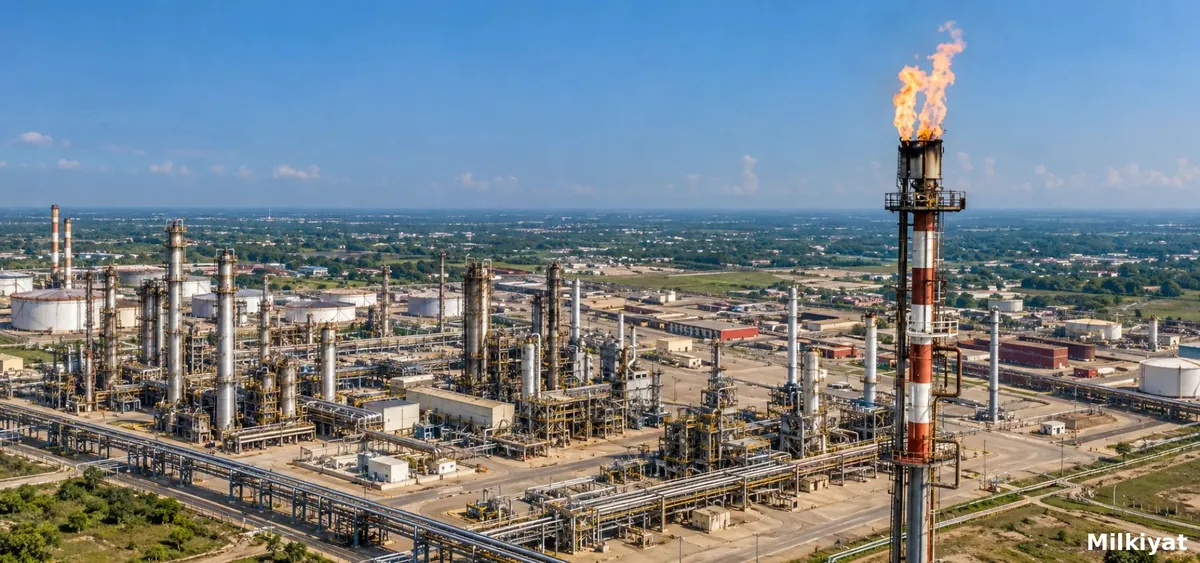
Cnergyico, Attock Refinery Limited, and National Refinery Limited have signed agreements with Inter State Gas Systems for refinery modernisation under Pakistan's amended 2023 refinery policy. The agreements were disclosed to the Pakistan Stock Exchange on Thursday and form part of a broader refinery upgrade programme that could unlock approximately 6 billion dollars in investment once all five of Pakistan's refineries have signed on.
Why Only Three of Five Refineries Have Signed So Far
The 6 billion dollar figure represents the potential investment across all five of Pakistan's existing refineries, not the three that have signed agreements to date. This distinction matters for understanding how far along the overall programme actually is, three refineries committing under the policy is meaningful progress, but the full 6 billion dollar figure will only be realised once the remaining refineries also formalise their own agreements, which have not yet occurred.
Why the October 1 Deadline Adds Real Pressure
The Federal Cabinet set an October 1, 2026 deadline for refineries to sign these agreements, with financial penalties attached for those that miss it, including a reduction in deemed duty on high speed diesel for non compliant refineries. A concrete deadline with financial consequences attached is a materially stronger incentive structure than a voluntary modernisation programme without enforcement, and it explains why three refineries moved to sign in the same period rather than the agreements emerging on separate, unrelated timelines.
What the Policy Actually Requires of Refineries
The amended 2023 refinery policy is designed to modernise and enhance the refining capabilities of Pakistan's existing refineries, specifically requiring them to ensure compliance with international fuel standards, produce cleaner and more environmentally friendly fuels, and meet growing market demand. Inter State Gas Systems has been designated as the implementation entity overseeing this process, giving the programme a single coordinating body responsible for tracking compliance across all participating refineries rather than leaving implementation fragmented across individual refinery operators.
Why This Matters for Construction and Industrial Activity
Refinery modernisation projects of this scale generate substantial demand for industrial construction, specialised engineering services, and logistics facilities at and around the refinery sites themselves, work that typically unfolds over several years as upgrades move from signed agreement to actual construction and commissioning. Longer term, greater domestic refining capacity and cleaner fuel production can also reduce Pakistan's exposure to fuel imports, which has a more indirect but still meaningful connection to the transportation and construction cost environment that affects the broader property and development sector.
What This Means Going Forward
With three of five refineries now signed and an October 1 deadline creating pressure for the remaining refineries to follow, this programme is moving from policy framework toward active implementation more quickly than a voluntary initiative typically would. Industrial and construction sector interests near Pakistan's refinery sites should watch for the remaining refineries' agreements and for the first concrete upgrade projects to move from signed commitment into actual construction, since that is the point at which the programme's local construction and engineering demand will begin to materialise.