News
Pakistan's Electricity Shortfall Crosses 4,000MW as Load-Shedding Worsens

By Mariam Khan
Real Estate Analyst
3 min read
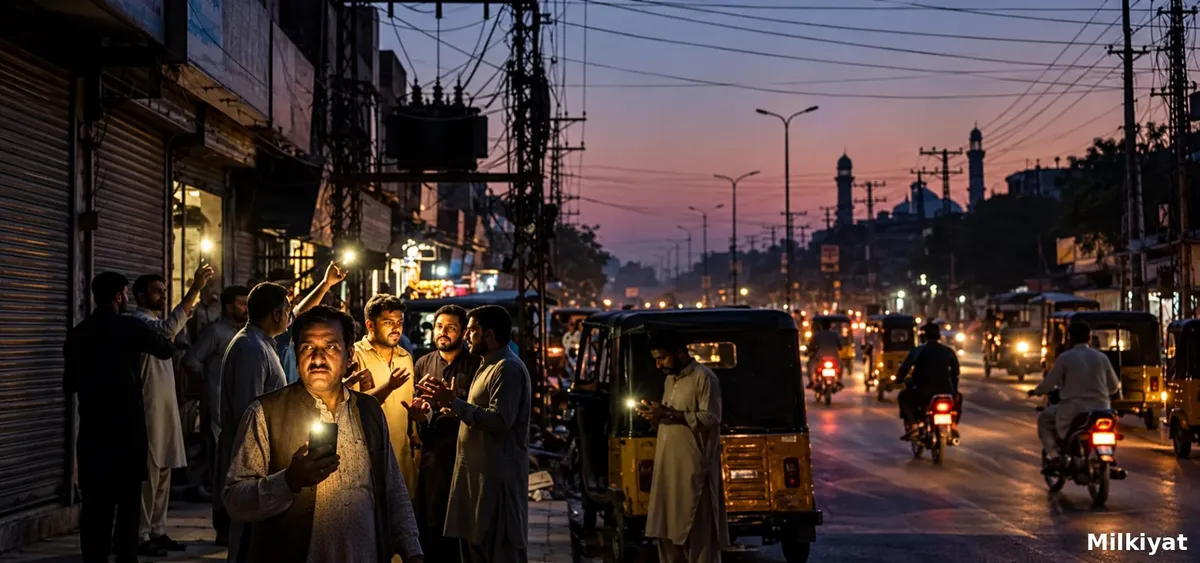
Pakistan's nationwide electricity shortfall has reportedly exceeded 4,000MW after several generating plants went offline and hydropower generation declined. Urban and rural areas are experiencing roughly three to four hours of load-shedding, and the shortfall in the LESCO region has crossed 1,500MW. Official power-sector information is published by the Power Division and NEPRA.
Why the Cause Is a Mix of Plant Outages and Lower Hydropower
The reported shortfall comes from two sources: generating plants that have gone offline, and a fall in hydropower output. The report as relayed does not name the plants or say how long they will be out, so it is not possible to say when supply will recover. How long the shortage lasts will largely decide how much it matters.
Why LESCO's 1,500MW Gap Is the Regional Figure to Note
LESCO serves Lahore and surrounding areas, a major centre of housing and commercial construction. A deficit above 1,500MW, which is more than a third of the national figure (our own calculation), indicates that the region is heavily affected. Developers and building-material suppliers in the area are the ones most likely to feel any disruption first.
Why Power Cuts Reach Construction and Materials
Load-shedding of three to four hours a day can interrupt work on sites that depend on grid power, and can slow production at cement, steel and other building-material plants. It also pushes owners of commercial buildings and housing projects towards generators and solar systems, which carry their own costs. We have covered how industry is responding, for example in Fauji Cement's solar and battery storage plan. The impact depends on how long the shortage persists, and the report does not suggest any particular price effect on materials.
Why This Comes on Top of Existing Cost Pressure
Consumers and industry are already facing cost pressure on the tariff side, as in our reporting on DISCOs seeking a further Rs1.7267 per unit for October and the Thar coal expansion aimed at lowering generation costs. Supply shortfalls and higher costs are separate problems, and the coal expansion does not address a shortage this month.
What This Means for Developers, Owners and Residents
Developers and contractors should plan for possible interruptions and check whether site generators and fuel supplies are adequate, noting that fuel prices remain close to Rs400 per litre. Owners of homes and offices should expect cuts, and those with solar and storage will be least affected. The signals to watch are whether the plants return to service, whether hydropower recovers, and official statements on load-shedding from the Power Division.