News
PM Approves Use of Pakistan Railways Land to Help Finance ML-1 Upgrade

By Mariam Khan
Real Estate Analyst
3 min read
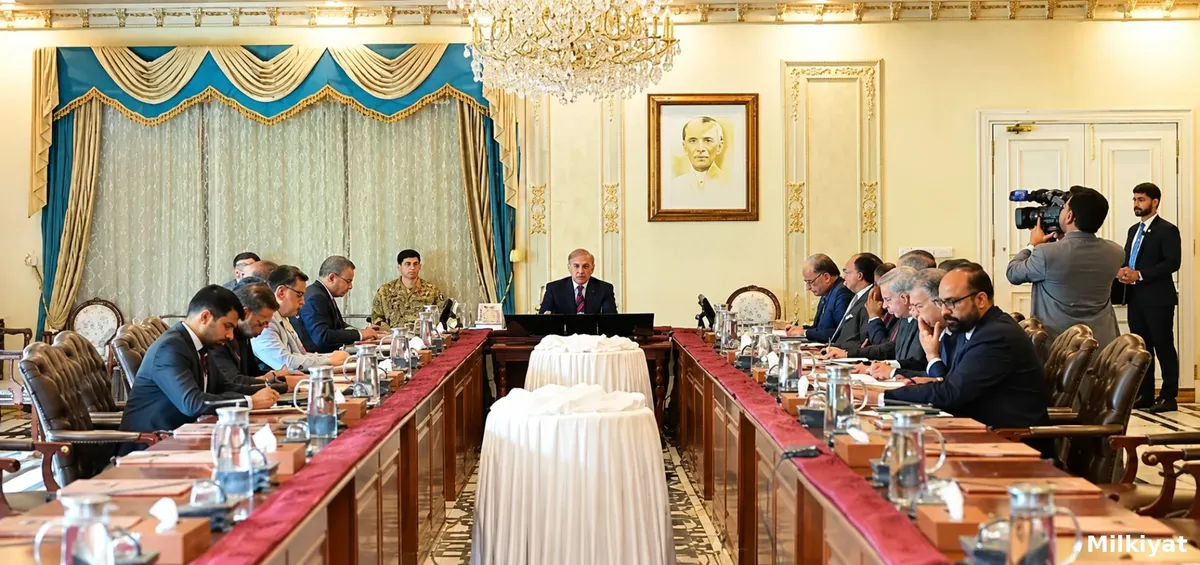
Prime Minister Shehbaz Sharif has approved a plan to use Pakistan Railways-owned land for commercial projects, to help secure bank financing for the ML-1 railway upgrade. Authorities have been directed to prepare a comprehensive commercialisation plan within two weeks, assessing the development potential of railway properties. Further information is published by the Ministry of Railways and the Prime Minister's Office.
Why Railway Land Is Being Tied to ML-1 Financing
The approval links a property asset to a financing need: commercial development of railway land is intended to help secure bank financing for ML-1. The reports we have seen do not say how much money the land is expected to raise, which properties are involved, or whether the land would be sold, leased or developed jointly with private partners. The plan itself is still to be prepared, so none of this is settled.
Why the Two-Week Deadline Is the Next Milestone
Authorities have two weeks to produce a comprehensive commercialisation plan assessing the development potential of railway properties. That is the next concrete step, and it is a deadline to prepare a plan, not to start projects. Until the plan is published, no site, timeline or financing arrangement can be assumed.
Why the Government Mentions Recovered Railway Land
The government also says railway land worth billions of rupees has been identified or recovered from encroachments. The reports do not give the area or value, nor say how much of it would be used in the commercialisation plan. Encroachment on state land has also been a theme in our coverage of the CDA's action in Bhara Kahu.
Why ML-1 Is Being Split Into Sections
The ML-1 is being divided into four sections: Karachi–Rohri, Rohri–Multan, Multan–Lahore and Lahore–Peshawar. International financing is being used for Karachi–Rohri, while domestic financing options are being developed for the remaining three. The route length is given in this report as 1,726km, whereas we earlier reported a figure of about 1,800km in our coverage of ADB and World Bank interest in financing ML-1. The difference is not explained, so the figure should be checked against an official source before it is cited.
What This Means for Developers, Investors and Property Owners
If railway land is developed commercially, it could eventually create opportunities for commercial projects around stations and railway corridors, and change how large portfolios of public land are used. That is a possible outcome and not a plan with sites attached. Developers and investors should wait for the commercialisation plan, the terms on which land would be offered and any approvals required. Owners near railway property should not expect value changes until specific projects are named.