News
Power Division Targets Costly Coal Procurement, What It Means for Electricity Costs and Property

By Mariam Khan
Real Estate Analyst
5 min read
Pakistan's Power Division and the National Electric Power Regulatory Authority have identified significant inefficiencies in imported coal procurement by power plants, issuing fresh policy guidelines for corrective action that officials say could save the national exchequer up to Rs380 million annually. The costs of these inefficiencies have been passed on to electricity consumers through monthly fuel price adjustments, with independent power producers operating on imported coal specifically flagged for imposing an additional burden on consumers through opaque and inefficient procurement practices.
The Case That Brought This Into Focus
The issue gained prominence after a competitive bidding round for coal supply to the 660 megawatt state owned Jamshoro Power Plant secured a discount of 7.12 dollars per tonne from a Karachi based supplier, compared to discounts of only 20 to 50 cents per tonne in some contracts involving independent power producers. The gap between these two outcomes, a public sector plant securing a discount more than fourteen times larger than some private plants achieved, is what drew direct scrutiny from both the Power Division and the regulator.
The Port Qasim Case in Detail
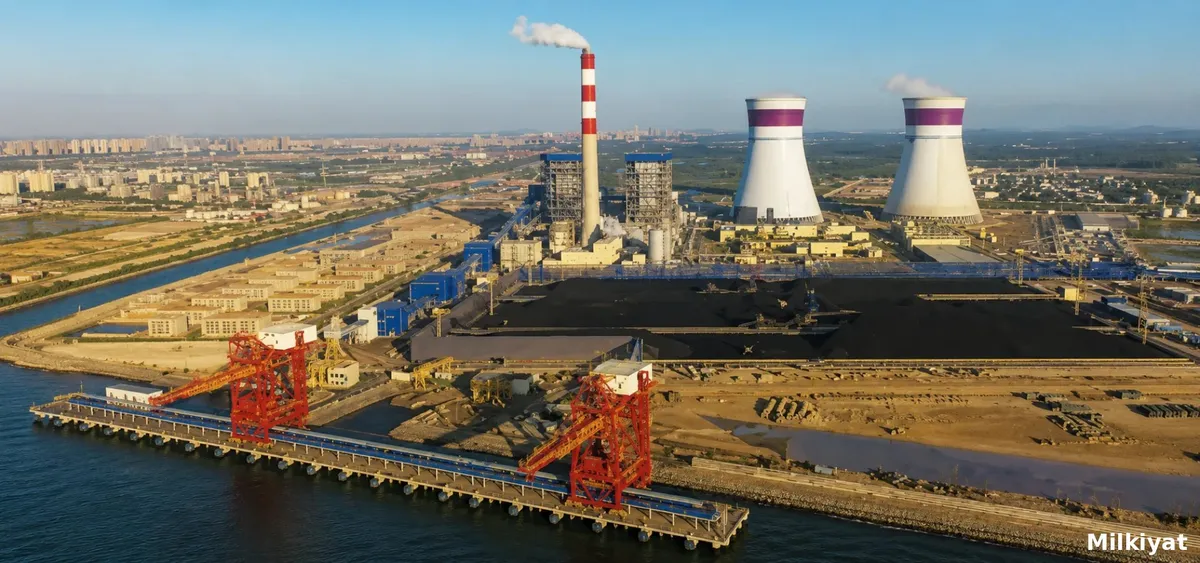
A prior NEPRA order specifically examined coal procurement by the Port Qasim Electric Power Company under a six year contract that involved discounts of only 0.20 to 0.50 dollars per tonne, based on estimated coal prices. NEPRA found this type of evaluation had never been observed in any bidding by any other power plant and did not appear justified, since it relied on estimated prices that could change over time. The regulator separately noted that the plant had published its tender notice only in China rather than reaching out to a broader pool of potential bidders, and found that incorporating discounts as a major bid evaluation criterion could have yielded more competitive results. NEPRA also found the plant had not disclosed that it had already executed a long term coal supply agreement when the matter was discussed with the regulator on two separate occasions, a finding that prompted formal proceedings regarding misstatement or non disclosure of information. NEPRA subsequently directed the Port Qasim plant to conduct fresh bidding for a long term coal supply agreement within three months of its March 2026 fuel charges adjustment decision.
However, officials said that after that March order, the company procured approximately 1.2 million tonnes of coal, enough supply for almost an entire year, just before the new tender was due. The resulting contract again involved a discount of around 0.50 dollars per tonne, far below the 7.12 dollar discount the public sector Jamshoro plant secured, a difference officials estimated at around 8 million dollars on that transaction alone. If similar procurement practices were followed by other independent power producers across the system, officials said the cumulative financial impact could be substantially larger.
The Scale of Pakistan's Imported Coal Fleet
Pakistan operates a significant fleet of coal fired power plants with a combined capacity of approximately 5,280 megawatts that rely wholly or partly on imported coal. This includes three major 1,320 megawatt plants at Port Qasim, Hub Power, and Sahiwal, alongside the Lucky and Jamshoro plants, which also have the capability to use imported coal. Coal import prices for these plants are generally linked to internationally recognised benchmarks such as the API-4 index, but the final price actually paid depends heavily on the specific discount each individual plant negotiates with its supplier, which is precisely the variable this investigation found being managed inconsistently and, in some cases, opaquely across the fleet.
What the Power Division Has Actually Done
The inefficiencies were identified during a series of meetings presided over by the Power Minister, where officials reviewed actual procurement data, contractual arrangements, and market practices across the coal fired fleet. Fresh policy guidelines have now been issued specifically to correct these procurement practices going forward, with the projected Rs380 million in annual savings representing the government's own estimate of the corrective measures' direct financial impact.
Why the Financial Impact May Be Understated
It's worth being precise about scale here. The Rs380 million figure represents the government's estimate of savings from the specific corrective guidelines now being issued, but the Port Qasim case alone, examined in isolation, pointed to an estimated 8 million dollar gap on a single procurement round. If comparable discount shortfalls have been occurring at other plants within the 5,280 megawatt imported coal fleet over an extended period, the cumulative cost passed on to consumers through fuel price adjustments could be considerably larger than the headline Rs380 million savings estimate suggests, a gap between the officially projected fix and the scale of the underlying problem that is worth watching in future reporting.
What This Means for Property and Construction Costs
Electricity tariffs affect the operating costs of homes, commercial buildings, and industrial property directly, and also factor into the cost of manufacturing construction materials like cement and steel, which rely on energy intensive production processes. More efficient, better regulated coal procurement, if the new guidelines are genuinely enforced across the full imported coal fleet, could contribute to more stable fuel price adjustments passed on to consumers over time, a modest but real factor in the broader cost environment facing property owners, tenants, and construction firms. Given that this specific investigation covers a Rs380 million annual saving relative to Pakistan's overall power sector scale, this is best understood as one incremental improvement in a much larger cost structure rather than a development likely to produce a noticeable shift in electricity bills or construction material costs on its own.
Sources
- National Electric Power Regulatory Authority, official website: https://www.nepra.org.pk
- Wikipedia, National Electric Power Regulatory Authority: https://en.wikipedia.org/wiki/National_Electric_Power_Regulatory_Authority
- Wikipedia, Port Qasim Power Project: https://en.wikipedia.org/wiki/Port_Qasim_Power_Project
- Wikipedia, Sahiwal Coal Power Project: https://en.wikipedia.org/wiki/Sahiwal_Coal_Power_Project