Blog
Rawalpindi Mega Projects 2026: What’s on Track and What’s Stalled?

Real Estate Analyst
4 min read
If you live, work, or invest in Rawalpindi, you already know how fast the city is growing. To keep up, several major infrastructure projects have been in the pipeline for years.
However, entering the FY2026-27 fiscal year, tight government budgets mean that some projects are getting fast-tracked while others are hitting major speed bumps.
Here is a quick, straightforward breakdown of where Rawalpindi’s most critical mega-projects stand right now.
Looking for the deep dive? For breakdown of the exact budget numbers, revised PC-I costs, and macroeconomic factors driving these decisions, read our complete Strategic Infrastructure and Fiscal Constraints Analysis.
1. The Rawalpindi Ring Road: Moving Forward with a Twist
The Ring Road is the most vital project for solving Rawalpindi's traffic misery, and there is both good and practical news here.
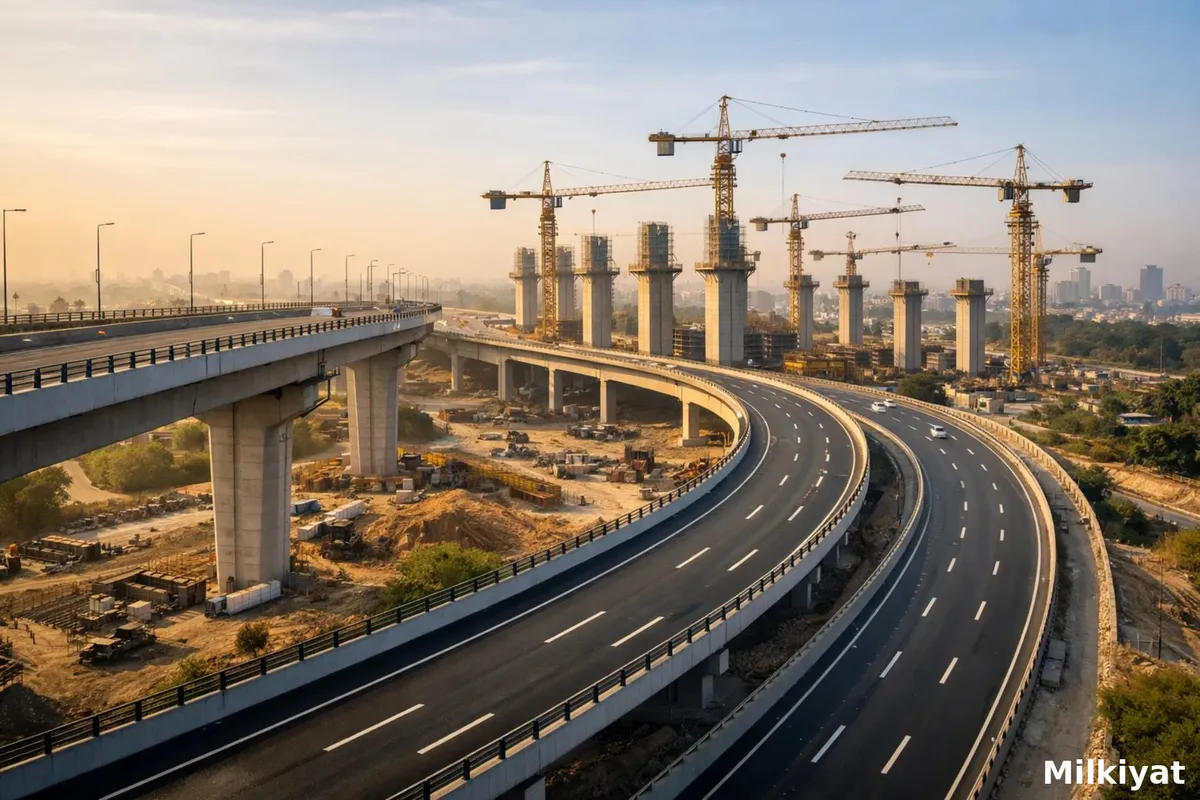
- Phase I (Baanth to Thalian): This 38.3-kilometer stretch is over 75% complete. Mainline construction is moving quickly, and the team is currently working on finishing the crucial Thalian Interchange on the M-2 Motorway. It is on track to become operational soon, which will divert heavy truck traffic away from the city center.
- Phase II (Thalian to Sangjani): Building a brand-new highway here was going to cost tens of billions in land acquisition. To save money, engineers have pivoted to a smarter plan: instead of building a new road, the government plans to widen the existing M-2 Motorway by adding two extra lanes on each side.
2. Water Security: The Race to Build Dams
Rawalpindi is running dangerously low on underground water, making surface water projects incredibly urgent.
- Daducha Dam: The main dam structure is 60% complete, which is a massive step forward. However, there is a catch. While the dam itself is being built, the pipeline network and water treatment plants required to actually bring that water to your taps are currently unfunded. The government is actively looking for international partners to bridge this gap.
- Chahan Dam: The dam itself is finished, but it faces a similar issue. The distribution network needs more funding before it can start supplying its target of 10 million gallons of water per day to the city.
3. The Stalled Projects: Roads and Healthcare
Because the Punjab government had to cut its overall development budget by nearly 40% to meet international financial goals, certain projects have been put on the back burner with minimal "token" funding.
- Rawalpindi-Kahuta Road: This vital trade route managed only one kilometer of physical progress over the last year. With very limited funds allocated for 2026, significant delays are expected to continue.
- The Children’s Hospital: Initially planned over a decade ago, this specialized healthcare facility remains incomplete and underfunded, leaving existing local hospitals under immense pressure.
Summary for Property Investors
If you are buying real estate or managing property in Rawalpindi, focus your attention on the Phase I Ring Road corridor (Adiala Road, Chakri Road, and the N-5 wrap-around). Infrastructure boosts property values, and Phase I is the only major project with enough momentum to cross the finish line in the near term.
Frequently Asked Questions (FAQs)
Q1: Is the Rawalpindi Ring Road Phase I fully open to the public?
Not yet, but it is very close. Mainline construction is over 75% complete. The final step required to make the route fully operational for commercial and freight traffic is completing the Thalian Interchange integration on the M-2 Motorway.
Q2: Why was the original route for Ring Road Phase II changed?
The original greenfield route from Thalian to Sangjani required massive, expensive land acquisition that the provincial budget could not afford. To save billions, engineers pivoted to a practical alternative: widening the existing M-2 motorway right-of-way by adding two lanes on each side.
Q3: When will the Daducha Dam resolve Rawalpindi’s water shortage?
While construction on the dam structure itself has reached 60% completion, the project faces a funding gap for downstream infrastructure. The treatment plants and the 119-kilometer distribution pipeline remain unfunded, meaning full operational status depends on the government securing international or multilateral financing.
Q4: Why are projects like the Rawalpindi-Kahuta Road delayed?
To comply with strict IMF macroeconomic stabilization programs, the Punjab government had to slash its overall Annual Development Programme (ADP) budget by roughly 39.3%. Consequently, funding has been restricted to near-complete megaprojects, leaving long-term schemes with only "token" allocations.
Q5: Which areas in Rawalpindi offer the safest potential for real estate growth right now?
The safest options for short-to-medium-term appreciation lie along the Phase I Ring Road corridor, specifically real estate pockets around Adiala Road, Chakri Road, and the N-5 connection points, as these areas will benefit directly from completed traffic infrastructure first.