News
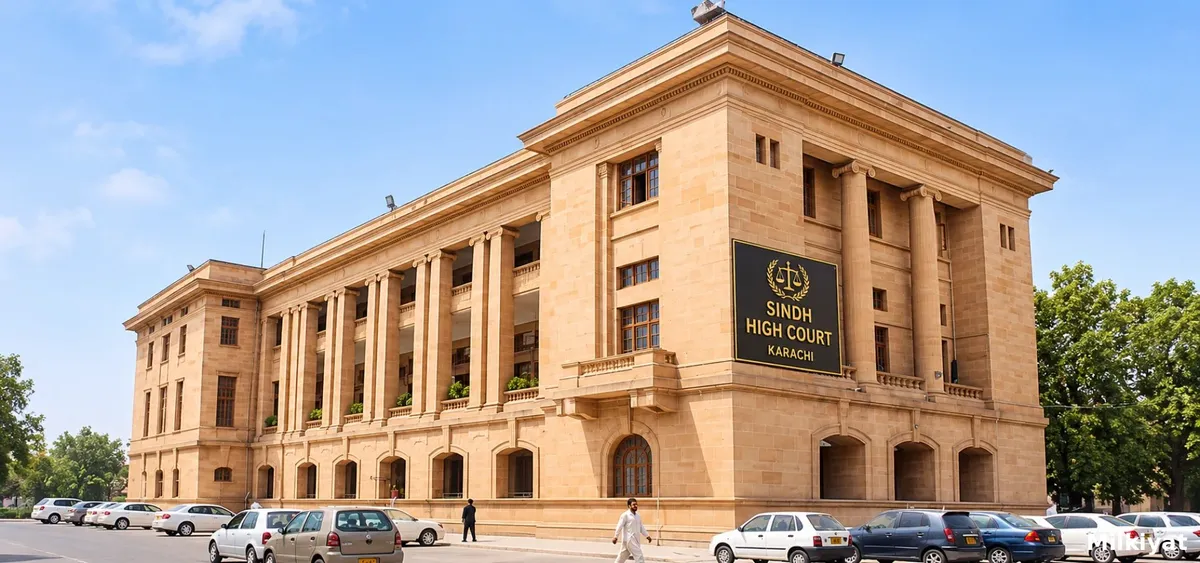
Sindh High Court Clarifies Commercialisation Does Not Itself Authorise Construction

By Mariam Khan
Real Estate Analyst
2 min read
The Sindh High Court (SHC) has clarified that permission to convert a residential property to commercial use does not automatically authorise construction or structural changes, according to a report published on November 10, 2026. The ruling arose from a dispute over a 1,000-square-yard property in North Nazimabad, Karachi. The court has not found that illegal construction took place. It has told the authority to examine the question.
What the Court Directed
The court directed the Sindh Building Control Authority (SBCA) to examine the property's approved building plans, its commercialisation NOC and any later alterations. SBCA must give a reasoned decision within 60 days. If illegal construction is established, SBCA must take action according to law. The report as we have it does not name the owner or the parties, say what alterations are alleged or describe their arguments, so we do not state them.
What Is Not Known
The report does not say what SBCA will decide or what action it would take. It does not say whether the 60 days run from the date of the order. We make no finding on the property or its owner, and we make no prediction about the outcome.
Why This Matters for Property
Commercialisation permission and building-plan approval are separate legal requirements. The ruling is important for Karachi property owners, developers and investors, because having one does not replace the other. Owners who built shops, plazas or extra floors on the strength of a commercialisation NOC alone could be asked to show an approved plan.
What This Means for Owners, Developers and Investors
Before building shops, plazas or additional floors, owners and developers should confirm that both the commercialisation NOC and an approved building plan are in hand. Buyers of commercial property should ask for both documents. The signals to watch are SBCA's reasoned decision within the 60 days and any further court order.