News
Sindh Seeks $350 Million From World Bank for Flood-Resilient Infrastructure

By Mariam Khan
Real Estate Analyst
3 min read
ShareWhatsApp
News
By Mariam Khan
Real Estate Analyst
3 min read
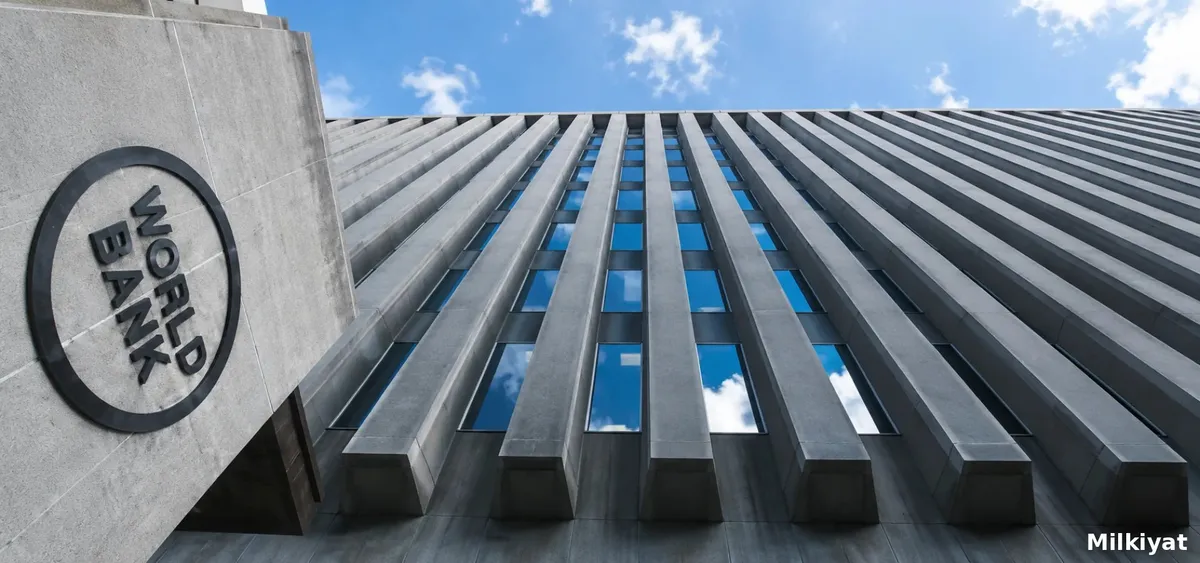
The Sindh government has sought $350 million in financing from the World Bank to strengthen infrastructure against flooding and other climate-related threats. The proposal focuses on improving the resilience of rural and urban infrastructure. The funding is being sought and has not been approved or disbursed.
The Sindh government has asked for the money. The reports do not say that the World Bank has agreed, what stage the request has reached or when a decision is expected. The $350 million is the amount requested and not a confirmed loan or grant, and the terms have not been reported.
The proposal is for infrastructure in both rural and urban areas. The reports do not list specific schemes, districts or the split between them, so we cannot say which roads, drainage systems or embankments would benefit. Flood risk affects both, as in our reports on urban flood warnings from the NDMA and the threat to the Moria Loop Bund near Larkana, where a Rs1.429 billion protection package awaits approval. The reports on the World Bank request do not say whether works like that would be covered.
Sindh has been lining up external financing for a number of projects. We reported that the Central Development Working Party approved seven foreign-funded Sindh projects worth $895 million, including a World Bank-backed property revenue programme, in $895m in Foreign-Funded Sindh Projects Approved. The $350 million request is separate from those, and the reports do not say whether it overlaps with any of them.
Flood-resistant roads, drainage systems and public infrastructure are important for protecting housing developments, reducing property damage and improving long-term investment conditions in vulnerable areas. The effect depends on the money being approved and spent on works that actually reach the places at risk. Our reports on the NDMA's urban flood resilience vision cover the national side of the same issue.
Owners and buyers in flood-prone parts of Sindh should not assume that new protection is coming on the basis of a funding request. They should continue to check an area's flood history and the status of nearby protective works before buying or building. The signals to watch are the World Bank's response, the project design and the locations chosen. Information is published by the Government of Sindh and the World Bank.
FBR notifies faceless income tax appeal rules, introducing anonymous commissioners, digital hearings and automated case allocation for tax disputes.
FBR replaces sales tax return STR-7 and revises purchase and sales invoice annexes, introducing expanded transaction and tax reporting requirements.
FBR seals a Karachi superstore outlet after finding Rs3.27 billion in off-system sales, POS violations and alleged sales tax irregularities.
Pakistan plans to split SNGPL and SSGCL into six to eight entities, restructure gas operations and shift over Rs3 trillion in circular debt.