News
State Bank's Foreign Exchange Reserves Rise by $19 Million to $21.49 Billion

By Mariam Khan
Real Estate Analyst
2 min read
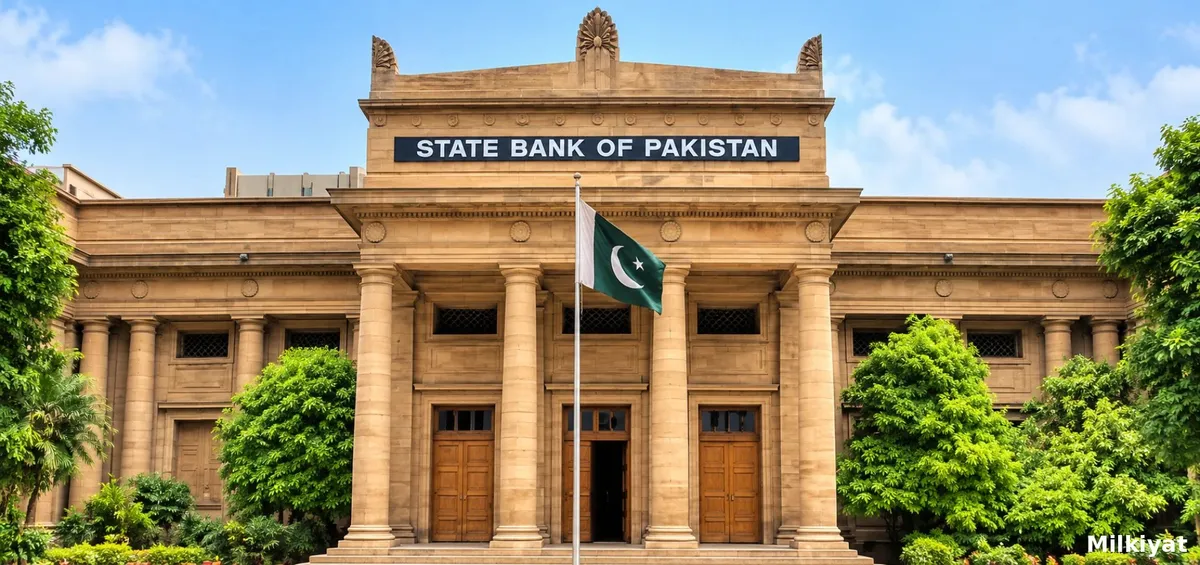
The foreign exchange reserves held by the State Bank of Pakistan (SBP) increased by approximately $19 million to $21.49 billion, according to figures reported on October 22, 2026. Total liquid foreign exchange reserves stood at approximately $26.83 billion. The rise is small. It does not establish a change in building costs. Weekly reserve figures are published by the SBP.
What the Figures Show
The reserves held by the State Bank rose by about $19 million, to $21.49 billion. The total liquid reserves of $26.83 billion cover the State Bank's holdings and those of commercial banks. The difference is about $5.34 billion (our own calculation), which would be the commercial banks' share. The reports do not give that figure, and we have not confirmed it. The reports also do not say which week the numbers cover or what caused the rise.
Why a $19 Million Rise Is Small
A rise of $19 million is under 0.1 percent of $21.49 billion (our own calculation). It is a small weekly movement and should not be read as a trend. A single week's change can come from loan inflows, repayments or valuation changes, and the reports do not explain it.
Why Reserves Matter
Foreign exchange reserves influence confidence in currency stability and the wider import environment, including imported construction equipment and materials. The Pakistani rupee's stability affects what imported steel fittings, machinery and fuel cost. The reports do not link the reserves to current import prices, and we do not claim any effect. Broader economic indicators are published by the Ministry of Finance.
What This Means for Builders, Importers and Buyers
Builders who import equipment or materials should still watch the exchange rate and fuel prices, since a small change in reserves does not alter their costs. Buyers should not read the figure as a sign of falling prices. The signals to watch are the next weekly reserve figures, movements in the rupee, import payments and any change in the policy rate.