News
Thar Coal Mine Expansion Targets Rs15bn Annual Power Cost Savings

By Mariam Khan
Real Estate Analyst
3 min read
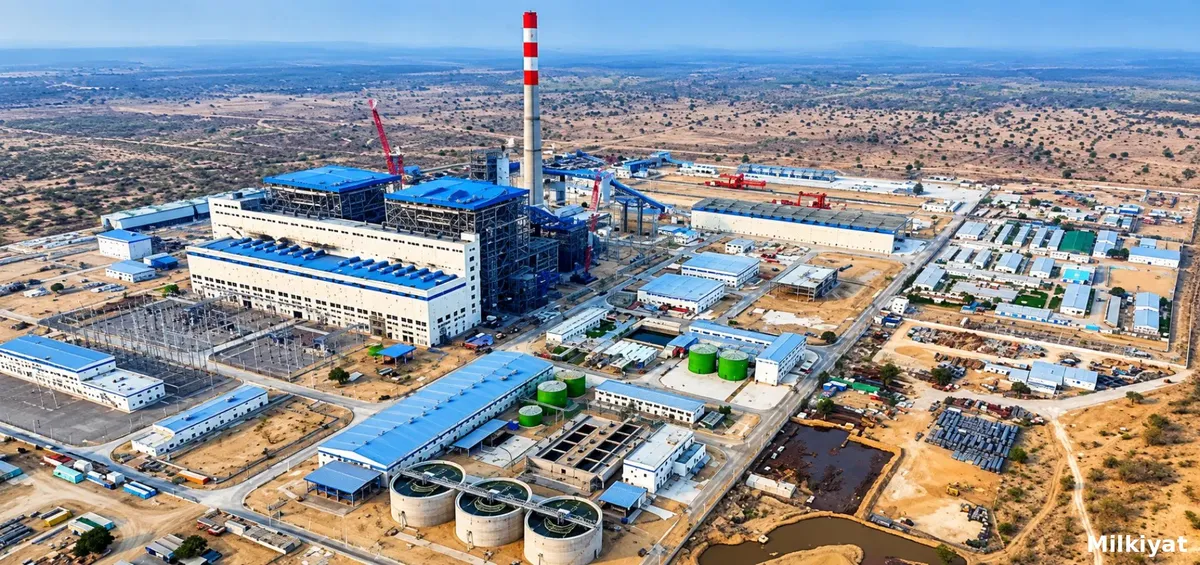
The third expansion of the Thar Block-II coal mine has begun, raising annual production capacity from 7.6 million tonnes to 11.2 million tonnes. The additional coal is meant to supply power plants with a combined generation capacity of 1,980MW. The projected coal tariff is expected to fall from $36.72 to $32.01 per tonne, with estimated savings of about Rs15 billion a year in generation costs and $220 million in fuel imports. Block-II is operated by the Sindh Engro Coal Mining Company.
Why a 47 Percent Capacity Increase Matters
Moving from 7.6 to 11.2 million tonnes a year is an increase of 3.6 million tonnes, or roughly 47 percent (our own calculation). Domestic coal at this scale gives power plants a larger local fuel supply, which reduces dependence on imported fuel. The report does not give a completion date for the expansion, so the savings should be read as targets and not as results already achieved.
Why the Rs15bn Saving Is a Projection
The saving depends on the tariff falling from $36.72 to $32.01 per tonne, a cut of $4.71 or about 13 percent (our own calculation), and on the mine reaching its new capacity. Both are projections. The estimated $220 million saving in fuel imports reflects the same logic: more domestic coal replaces imported fuel. Whether the full amounts materialise will depend on how the expansion is delivered and how much coal the connected plants actually burn.
Why Power Costs Matter for Cement, Steel and Construction
Electricity is a major input for cement, steel and other construction-material manufacturers, and for commercial buildings and housing developments. Lower generation costs could eventually help contain these costs, but the link is indirect. Savings at the generation stage do not necessarily pass into consumer tariffs, which also reflect capacity payments, fuel cost adjustments and other charges. We have followed that pressure recently in our coverage of DISCOs seeking a further fuel cost adjustment on October bills.
Why Industry Is Already Looking for Its Own Cost Relief
Manufacturers have not waited for grid costs to fall. Fauji Cement's plan for solar and battery storage at two plants shows the sector trying to reduce its exposure to grid electricity. A cheaper domestic fuel base could help the grid compete, but it will take time to show up in prices.
What This Means for Developers, Builders and Buyers
For now the expansion is a medium-term positive for power costs, not a change in today's bills. Developers and builders should not assume lower material prices on the strength of this announcement alone. The signals to watch are the expansion's completion date, the actual coal tariff once it is revised, and whether any saving appears in tariff decisions by the regulator.