News
ADB Plans Additional $200m for Pakistan's FBR Reforms, What It Means for Property Tax Compliance

By Mariam Khan
Real Estate Analyst
5 min read
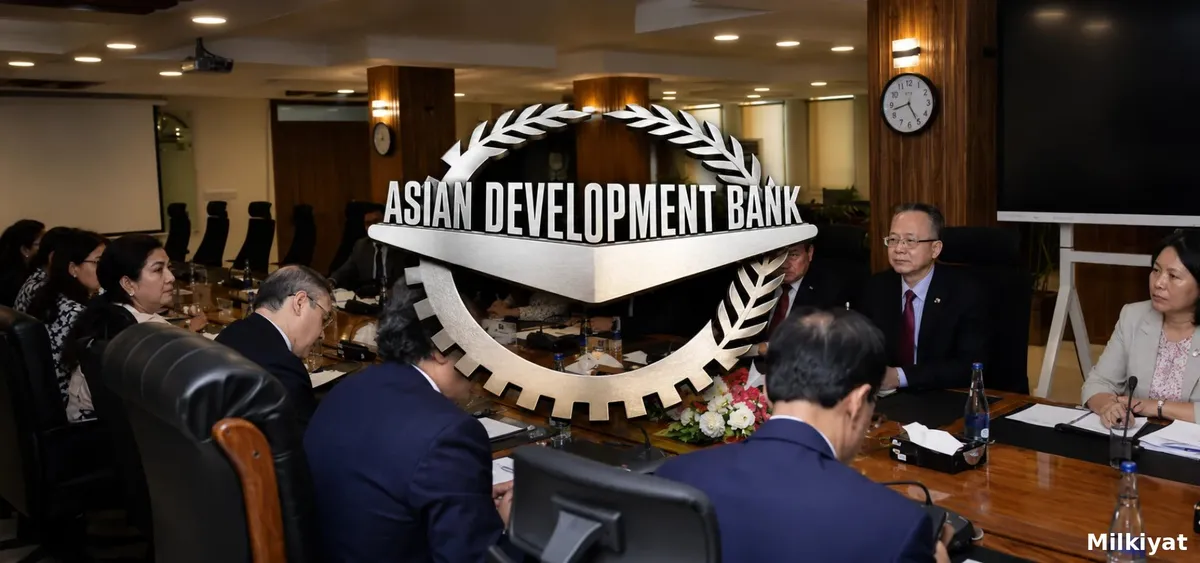
The Asian Development Bank has announced an additional $200 million loan to help Pakistan modernise its revenue administration, while urging the country to broaden its narrow tax base and improve tax compliance. ADB Vice President for South, Central and West Asia Yingming Yang said the bank's Transforming and Digitalising Revenue Administration Project is expected to be considered by its board later this year.
What the Project Will Actually Fund
The project will support the Federal Board of Revenue's transformation agenda through investment in digital infrastructure, modern tax and customs systems, advanced data analytics, artificial intelligence based compliance tools, stronger cybersecurity, and institutional development. According to ADB's own project documentation, the total indicative cost of the project stands at $200 million, funded from the bank's ordinary capital resources, with the FBR having specifically requested this additional assistance to strengthen its implementation and monitoring capacity and improve its data collection and analysis capability.
The Scale of the Problem This Aims to Fix
ADB's own project documentation lays out the underlying numbers with real precision. In fiscal year 2024, Pakistan had only 4.7 million active income taxpayers, less than half of the 9.8 million people actually registered with the FBR, representing just 7.0 percent of the country's employed labour force of roughly 67.3 million. The same documentation notes that much of Pakistan's economic activity occurs in kind or informally, resulting in limited documentation and a persistently narrow tax base, a gap that has pushed the FBR to rely heavily on excessive physical controls rather than data driven oversight, and has shifted the tax burden disproportionately toward import taxes, which made up 35 percent of total tax revenue in fiscal year 2024.
What ADB Is Specifically Asking Pakistan to Do
Speaking at a High Level Dialogue on Taxation for Fiscal Sustainability, Yang said reforms are essential for fiscal sustainability, and that modernising tax administration is not just about strengthening enforcement, but also about making it easier for taxpayers to comply, reducing discretion, improving services, and building confidence in the system. He identified Pakistan's narrow tax base, widespread informality, and low compliance as the key structural weaknesses the country needs to address, and specifically called for broadening the tax base and reducing tax exemptions as necessary steps to strengthen domestic revenue collection and reduce reliance on debt.
The Government's Own Response
Minister of State for Finance Bilal Azhar Kayani said Pakistan is stepping up efforts to broaden its tax base, reduce the burden on compliant taxpayers, and improve collection efficiency through digitalisation and greater private sector engagement. He said the Prime Minister has given unprecedented attention to FBR reforms, holding weekly reviews of both strategic and operational aspects of the authority's transformation, and cited ongoing initiatives including faceless customs, digital invoicing, track and trace systems, and a new tax operating model specifically designed to reduce human intervention in tax assessments and audits. Kayani also pointed to the government's retailers' tax scheme as a recent, concrete initiative within this broader push, and Yang separately welcomed the establishment of a new Tax Policy Office within the Ministry of Finance.
Part of a Longer Running ADB Engagement
This new $200 million commitment builds on ADB's existing support for Pakistan's revenue reforms through its Improved Resource Mobilisation and Utilisation Reform Programme, which similarly aims to broaden the tax base, improve tax policy, increase transparency, and support better public financial management. This positions the new digitalisation focused project as the latest, technology centred phase of a sustained, multi year reform relationship rather than a standalone new initiative.
Why This Matters Specifically for Property Tax Compliance
Real estate is one of the areas where documentation, transaction reporting, valuation, and tax compliance have historically been weakest in Pakistan, making this reform agenda genuinely relevant to the sector even though it is not a property specific policy. Stronger FBR data integration and a more risk based, analytics driven approach to enforcement could, over time, make it meaningfully easier for the tax authority to identify undeclared property transactions and undocumented assets, directly reducing the scope for the kind of informal, off the books property dealing that has long characterised parts of Pakistan's real estate market. ADB's specific call to reduce tax exemptions is also worth watching closely, since property related exemptions and concessions have periodically featured in Pakistan's tax policy debates, and any future move to narrow these could directly affect investors and developers currently benefiting from them.
What Remains Unconfirmed
This $200 million project has not yet been formally approved, and remains subject to consideration by ADB's board later this year. No specific timeline for implementation, nor detailed information on which FBR systems or processes will be prioritised first, has been confirmed. Given that reforms of this kind typically unfold over a period of years rather than producing immediate results, property owners and investors should treat this as a longer term regulatory trend to monitor rather than an imminent change to current compliance requirements.
What This Means for Property Investors and Developers
Investors and developers should read this as a genuine signal of Pakistan's continuing, internationally backed push toward greater tax formalisation and data driven enforcement across the economy, including real estate. As FBR's digital infrastructure and analytical capacity genuinely improve over the coming years, buyers, sellers, and developers should expect increasingly less room for undocumented or under reported property transactions, making full, accurate documentation and transparent transaction reporting an increasingly important practice regardless of current enforcement gaps. The specific question of whether property related tax exemptions face reduction under this broader reform push is one worth watching closely in future budget and policy announcements.