News
ADB Sees Pakistan Construction Gaining From Property Tax Cuts and Housing Subsidies Despite Inflation Risks

By Mariam Khan
Real Estate Analyst
3 min read
ShareWhatsApp
News
By Mariam Khan
Real Estate Analyst
3 min read
News
By Mariam Khan
Real Estate Analyst
3 min read
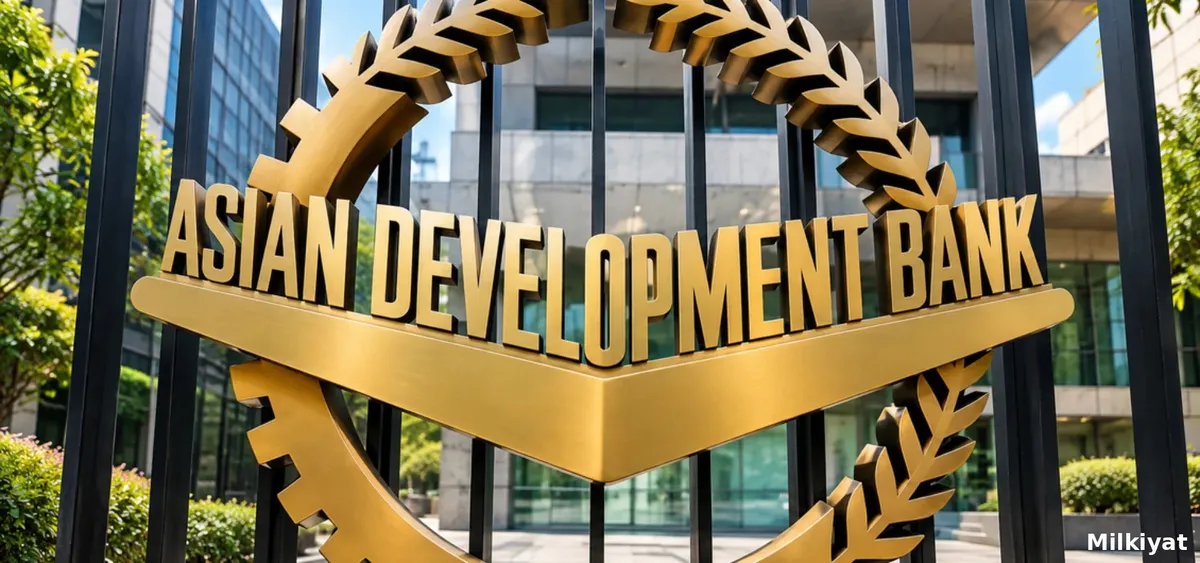
The Asian Development Bank has kept its Pakistan GDP growth forecast for fiscal year 2026-27 at 3.7 percent, while projecting average inflation at 8.3 percent, above the State Bank's 5 to 7 percent medium term target. The bank cited elevated energy, logistics, and agricultural input costs as important pressures on inflation over the coming year.
For real estate specifically, ADB says the construction sector is expected to benefit from budget measures including reduced property transaction taxes and a higher interest subsidy under the Prime Minister's housing scheme. This is a notable, sector specific call out within a broader economic outlook report, since ADB does not typically single out individual sectors unless it sees a reasonably direct and identifiable policy channel supporting them, in this case, the combination of lower transaction costs on property deals and improved financing terms for housing.
Reduced property transaction taxes lower the direct cost of buying and selling property, which tends to have an outsized effect on transaction volume specifically, encouraging deals that might otherwise have been delayed or abandoned over cost, rather than necessarily driving new construction activity on its own. Combined with a higher interest subsidy under the Prime Minister's housing scheme, which directly reduces financing costs for eligible buyers, these two measures together target both sides of a property transaction, the cost of the deal itself and the cost of financing it, which is likely why ADB flagged them together as supportive for the sector.
ADB's assessment comes against a backdrop of private investment rising 8.6 percent in real terms in fiscal year 2026, supported by lower borrowing costs and improved business confidence. This broader investment recovery provides useful context for the construction specific outlook, since a sector benefiting from targeted tax and subsidy measures within an environment of already improving private investment and financing conditions has a more favourable starting position than it would in a period of declining overall investment.
The same report that flagged construction as a beneficiary of tax and subsidy measures also projects inflation running meaningfully above the State Bank's medium term target, driven specifically by elevated energy, logistics, and agricultural input costs. Energy and logistics costs feed directly into cement, steel, and transport costs for the construction sector, meaning the same report delivers a genuinely mixed signal, supportive policy measures on one side, and persistent input cost pressure on the other, rather than a straightforwardly positive outlook.
Developers and contractors should read this ADB assessment as confirmation that specific policy support exists for property transactions and housing finance over the coming fiscal year, while continuing to budget realistically for elevated energy, logistics, and material cost pressure that is expected to persist alongside that support. For buyers, the combination of reduced transaction taxes and a higher housing scheme subsidy could genuinely lower the effective cost of a property purchase, though the overall inflation environment means broader affordability will continue to depend on how construction costs and general price levels move over the same period.
CDA has ordered Islamabad Villas near Park Enclave and Bani Gala sealed over missing LOP and NOC approvals, while also restricting advertising and utility connections.
CDA’s urban regeneration regulations set out a framework for upgrading, redeveloping and relocating recognised katchi abadis across Islamabad.
LDA has restarted improvement work on nine Canal Road underpasses from Thokar Niaz Baig to Mall Road, covering asphalt, repairs, signage and restoration.
Punjab will begin collecting Suthra Punjab cleaning fees from houses and commercial properties alongside property tax, with charges based on property size.
The Asian Development Bank has kept its Pakistan GDP growth forecast for fiscal year 2026-27 at 3.7 percent, while projecting average inflation at 8.3 percent, above the State Bank's 5 to 7 percent medium term target. The bank cited elevated energy, logistics, and agricultural input costs as important pressures on inflation over the coming year.
For real estate specifically, ADB says the construction sector is expected to benefit from budget measures including reduced property transaction taxes and a higher interest subsidy under the Prime Minister's housing scheme. This is a notable, sector specific call out within a broader economic outlook report, since ADB does not typically single out individual sectors unless it sees a reasonably direct and identifiable policy channel supporting them, in this case, the combination of lower transaction costs on property deals and improved financing terms for housing.
Reduced property transaction taxes lower the direct cost of buying and selling property, which tends to have an outsized effect on transaction volume specifically, encouraging deals that might otherwise have been delayed or abandoned over cost, rather than necessarily driving new construction activity on its own. Combined with a higher interest subsidy under the Prime Minister's housing scheme, which directly reduces financing costs for eligible buyers, these two measures together target both sides of a property transaction, the cost of the deal itself and the cost of financing it, which is likely why ADB flagged them together as supportive for the sector.
ADB's assessment comes against a backdrop of private investment rising 8.6 percent in real terms in fiscal year 2026, supported by lower borrowing costs and improved business confidence. This broader investment recovery provides useful context for the construction specific outlook, since a sector benefiting from targeted tax and subsidy measures within an environment of already improving private investment and financing conditions has a more favourable starting position than it would in a period of declining overall investment.
The same report that flagged construction as a beneficiary of tax and subsidy measures also projects inflation running meaningfully above the State Bank's medium term target, driven specifically by elevated energy, logistics, and agricultural input costs. Energy and logistics costs feed directly into cement, steel, and transport costs for the construction sector, meaning the same report delivers a genuinely mixed signal, supportive policy measures on one side, and persistent input cost pressure on the other, rather than a straightforwardly positive outlook.
Developers and contractors should read this ADB assessment as confirmation that specific policy support exists for property transactions and housing finance over the coming fiscal year, while continuing to budget realistically for elevated energy, logistics, and material cost pressure that is expected to persist alongside that support. For buyers, the combination of reduced transaction taxes and a higher housing scheme subsidy could genuinely lower the effective cost of a property purchase, though the overall inflation environment means broader affordability will continue to depend on how construction costs and general price levels move over the same period.
CDA has ordered Islamabad Villas near Park Enclave and Bani Gala sealed over missing LOP and NOC approvals, while also restricting advertising and utility connections.
CDA’s urban regeneration regulations set out a framework for upgrading, redeveloping and relocating recognised katchi abadis across Islamabad.
LDA has restarted improvement work on nine Canal Road underpasses from Thokar Niaz Baig to Mall Road, covering asphalt, repairs, signage and restoration.
Punjab will begin collecting Suthra Punjab cleaning fees from houses and commercial properties alongside property tax, with charges based on property size.