News
Dadhocha Dam Water Supply Moves Forward as Rawalpindi Plans New Distribution and Metering Network

By Mariam Khan
Real Estate Analyst
5 min read
Commissioner Rawalpindi Division Salman Ghani has directed authorities to develop a modern water metering and monitoring system while reviewing the proposed water supply network from Dadhocha Dam, chairing a high level meeting at the Commissioner's Office on 3 September 2026. Director Development Syed Nazarat Ali Shah, WASA Managing Director Azizullah Khan, and representatives of the Cantonment Boards, Housing Department, and Irrigation Department all attended the review.
The Scale of Rawalpindi's Current Shortfall
WASA officials informed the meeting that Rawalpindi currently requires 72 million gallons of water per day, against an available supply of only 51 million gallons, a shortfall of 21 million gallons daily drawn from Rawal Dam, Khanpur Dam, and the city's tube wells. Once Dadhocha Dam becomes operational, Rawalpindi is expected to receive an additional 35 million gallons per day, with 15 million gallons allocated to WASA and the remaining 20 million gallons distributed to the Cantonment Boards and DHA.
What the Commissioner Actually Directed
Ghani directed authorities to install high precision water meters specifically to ensure accurate measurement of consumption, prevent wastage, and promote transparent distribution once the new supply comes online. He further directed that rainwater harvesting tanks, recharge wells, and greywater reuse systems be incorporated into the broader plan, positioning this not simply as a supply expansion but as a more comprehensive approach to water management across the district. A technical team has now been tasked with examining the transmission network, pipelines, metering infrastructure, and distribution system, and will submit formal recommendations following that review.
About Dadhocha Dam Itself
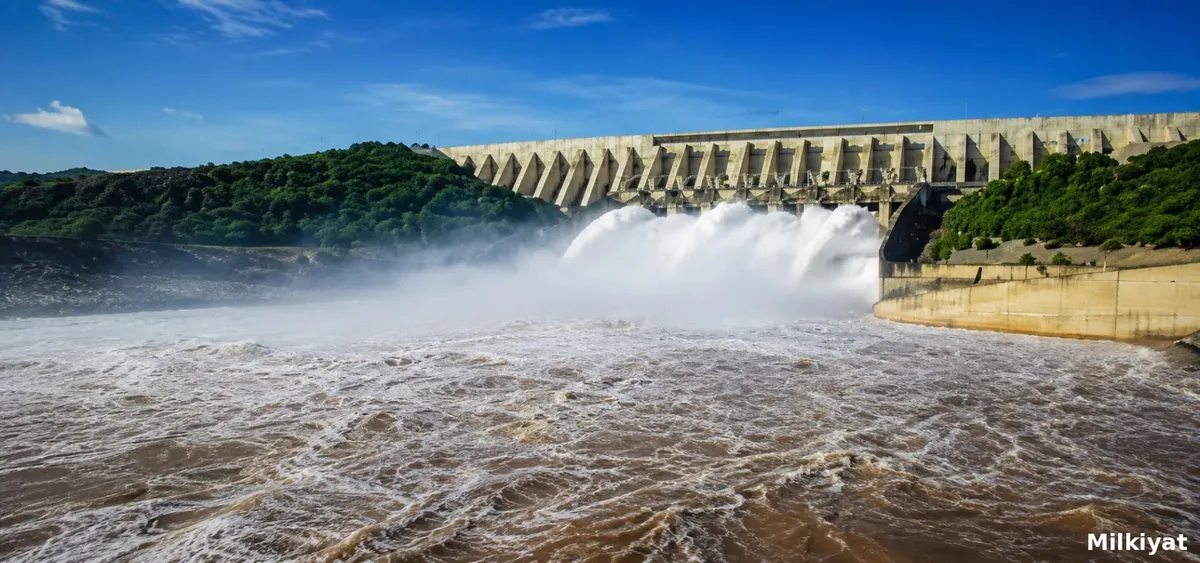
Dadhocha Dam is currently under construction near Dadhocha village in Rawalpindi district, a semi mountainous area on the Pothohar Plateau near Rawat, close to the Islamabad Expressway. The dam was first proposed as far back as 2001, and is being built by the Frontier Works Organisation with an estimated construction cost of roughly Rs7 billion. Once complete, its reservoir will hold a storage capacity of approximately 60,000 acre feet, with a dead storage level of 15,000 acre feet, drawing on a catchment area of more than 100 square kilometres. Beyond its direct water supply role, the dam is expected to help replenish local aquifers and raise the area's falling water table.
Part of a Larger, Multi Dam Water Security Strategy
Dadhocha is one of several dam projects Rawalpindi and Islamabad are simultaneously pursuing to address the twin cities' worsening water shortage. Chahan Dam, being executed under Asian Development Bank loan funding of roughly Rs34 billion, is expected to add a further 17 million gallons daily to Rawalpindi's supply once operational, while a separately proposed Chirah Dam, estimated at Rs80 billion, would supply an additional 28 million gallons split evenly between Islamabad and Rawalpindi. Combined, officials have indicated these three projects, Chirah, Chahan, and Dadhocha together, could eventually add up to 80 million gallons of daily water supply to the twin cities. This broader dam building push reflects the genuine urgency behind the water shortage: WASA's own leadership has previously noted that Rawal Dam, one of the city's two existing primary sources, has already completed 56 years of its expected useful life.
Why the Metering Component Matters Just as Much as New Supply
Directing a high precision metering system alongside the Dadhocha supply review signals that Rawalpindi's authorities are treating accurate measurement and distribution transparency as equally important to simply adding new water volume. Without reliable metering, additional supply capacity can still be lost to unaccounted for water, leakage, or inequitable distribution across different parts of the city, meaning this metering directive is arguably as consequential for actual household water reliability as the Dadhocha project itself.
What Remains Unconfirmed
No specific completion date for Dadhocha Dam or the associated transmission and distribution network has been confirmed, nor has a timeline for the newly directed technical review and its resulting recommendations been announced. Given the multi decade history behind Dadhocha's own proposal, first floated in 2001 and still under construction a quarter century later, readers should treat any future completion announcement with appropriate caution until water is genuinely flowing to Rawalpindi households.
What This Means for Residential Development and Property Demand
Reliable water availability is a fundamental constraint on residential development capacity and property demand across Rawalpindi and its adjoining housing areas, and a confirmed, well managed addition of 35 million gallons daily would represent a genuinely significant improvement to the city's long standing supply shortfall once delivered. Property owners, developers, and prospective buyers in areas currently underserved by WASA's existing network should treat this review, and particularly its metering and distribution planning component, as a meaningful signal of how equitably any new Dadhocha supply is likely to actually reach different parts of the city, rather than assuming the dam's completion alone guarantees improved water access in any specific neighbourhood.