News
Karachi Port Disruption Hits Northbound Goods Transport

By Mariam Khan
Real Estate Analyst
3 min read
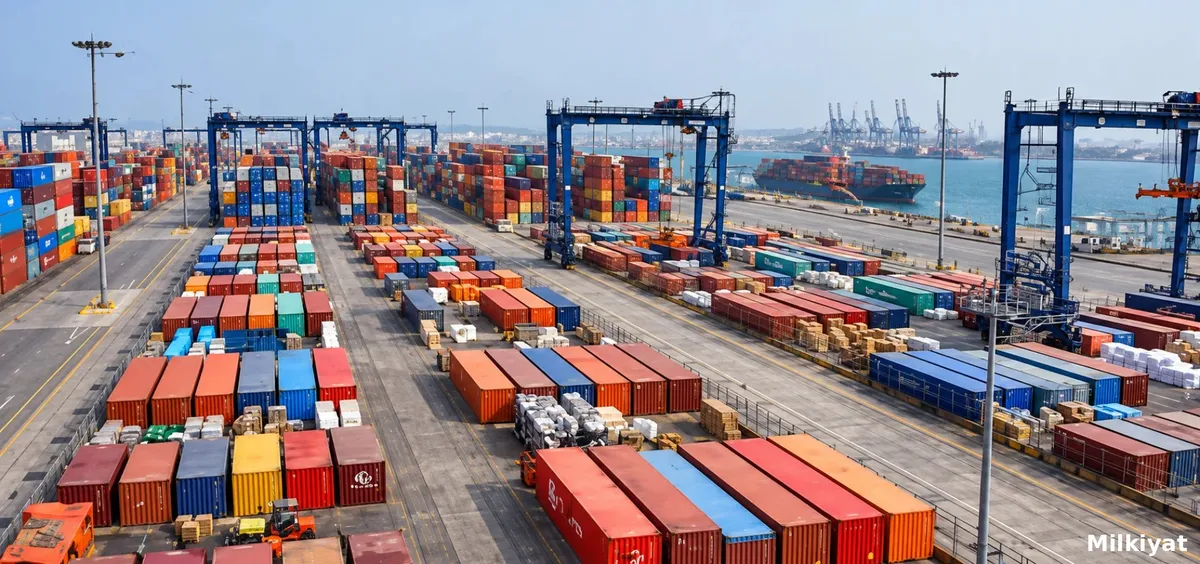
Goods carriers have curtailed journeys from Karachi toward Islamabad, Rawalpindi, Jhelum, Peshawar and Attock amid concern that trucks and containers could be requisitioned for road blockades ahead of the October 4 political march. Containers are consequently piling up at Karachi's main port. Transporters say more than 2,000 vehicles were requisitioned during September, while demurrage on individual containers can reach Rs30,000 to 40,000 per day.
Why This Is a Temporary Disruption Rather Than a Structural Market Change
This disruption is driven specifically by transporter concern over vehicle requisitioning ahead of a particular political event, the October 4 march, rather than by any underlying structural problem with port capacity, customs processing or logistics infrastructure. Readers should treat this as a time bound, event driven disruption that would be expected to ease once the immediate concern around requisitioning passes, rather than as evidence of a lasting shift in Karachi to northern Pakistan freight capacity.
Why the Demurrage Costs Are the Most Concrete Financial Detail Here
Demurrage charges of Rs30,000 to 40,000 per day per container translate directly into added cost for any import dependent construction material, machinery or equipment currently sitting at Karachi port, and this is the most concrete, quantifiable cost detail in this report. For construction projects relying on imported steel, machinery, or other materials routed through Karachi, these mounting daily demurrage charges represent a genuine, measurable cost increase for however long individual containers remain stuck.
Why the September Requisitioning Figure Suggests This Is Not an Entirely New Problem
More than 2,000 vehicles reportedly requisitioned during September indicates this kind of disruption to freight transport has already been under way for some weeks prior to the immediate October 4 concern, suggesting transporters have been operating under this kind of uncertainty for a sustained period rather than this being a single, isolated event tied only to the immediate march date. This longer running pattern means the disruption's actual resolution may depend on broader political conditions easing beyond just the specific October 4 date passing.
Why Construction Specifically, Rather Than All Trade, Faces the More Direct Exposure
Steel, chemicals, imported machinery and other construction inputs moving from Karachi to northern Pakistan are specifically named among the goods affected by this slowdown, meaning construction projects in Islamabad, Rawalpindi and other northern cities reliant on these specific imported inputs face a more direct exposure to this disruption than businesses dealing in goods with more diversified or domestic sourcing options. Developers and contractors with imported material shipments currently in transit or awaiting port clearance should anticipate potential delays specifically affecting these input categories.
What This Means for Developers and Contractors With Imports in Transit
Developers and contractors with steel, machinery or other imported construction materials currently moving from Karachi toward northern Pakistan should anticipate possible delays and build contingency time into near term project schedules until this disruption eases. Those with containers currently held at Karachi port should also factor in the compounding daily demurrage costs, since these charges accumulate for as long as the broader freight slowdown continues, making a swift resolution to the underlying requisitioning concern the key factor that would determine how costly this disruption ultimately becomes for any individual shipment.