Milkiyat.com
BuyRentNew ProjectsAgentsAgenciesCommercialCompare
HOMEEXPLOREADDPROJECTSFAVORITES

News

World Bank Urges Pakistan to Adopt Market-Based Property Tax Valuations
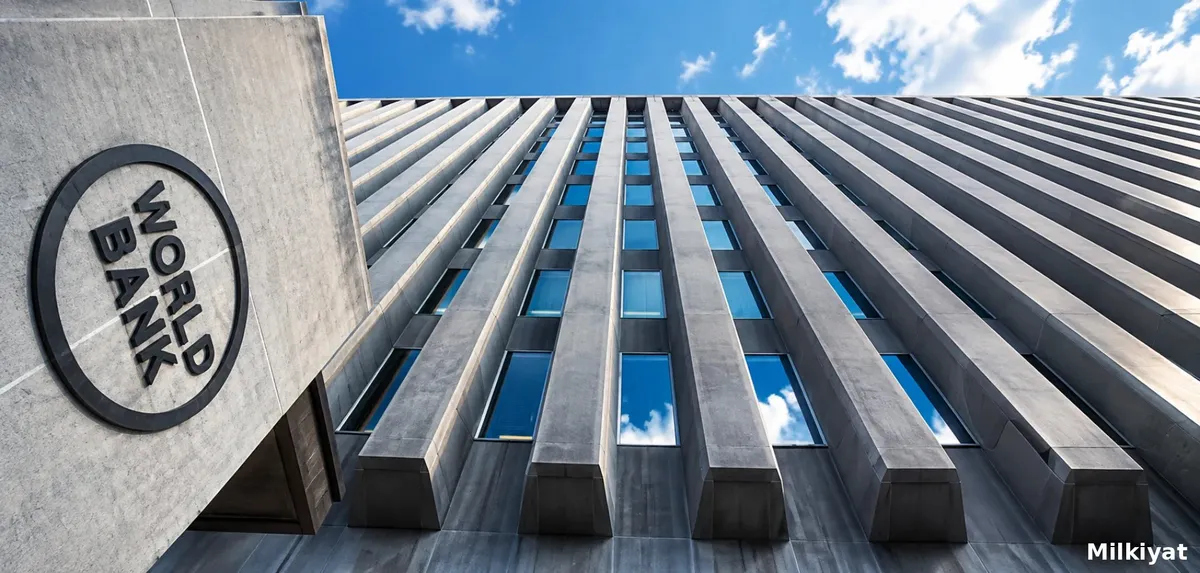
World Bank Urges Pakistan to Adopt Market-Based Property Tax Valuations
Property photo

By Mariam Khan

Real Estate Analyst

3 October 20263 min read

ShareWhatsApp

The World Bank has recommended harmonising Pakistan's provincial property tax systems, strengthening digital infrastructure, and gradually moving valuations closer to market values, during discussions held in Islamabad. Pakistan's property tax collection currently stands at approximately 0.13% of GDP, compared with 0.3 to 0.6% in comparable economies.

Why the 0.13% Figure Frames This as a Substantial Collection Gap

Comparing Pakistan's current property tax collection of roughly 0.13% of GDP against the 0.3 to 0.6% range seen in comparable economies shows a gap of two to over four times, which frames this recommendation less as a minor technical adjustment and more as the World Bank pointing to a substantial, quantified shortfall in how much revenue Pakistan's property tax system currently generates relative to its genuine potential. This scale of gap is the detail that gives weight to the broader reform recommendation that follows it.

Why Harmonisation Across Provinces Is a Distinct Recommendation From Valuation Reform

The recommendation to harmonise provincial property tax systems is conceptually separate from the recommendation to move valuations toward market values, since harmonisation addresses inconsistency between how different provinces administer property tax, while market based valuation addresses how accurately any single system's assessed values reflect actual property worth. Pakistan's property tax base has historically varied considerably from province to province, and addressing both issues together suggests the World Bank sees the current fragmented, under valued system as a combined structural problem rather than one that could be solved by fixing either dimension alone.

Why Market-Based Valuations Would Directly Raise Assessed Property Values

If provincial authorities were to implement valuations gradually brought closer to market values, as recommended, assessed property values used for calculating recurring provincial taxes would be expected to rise meaningfully from their current levels, since properties in Pakistan have long been assessed well below actual market worth for tax purposes. This is the single most direct practical consequence property owners should understand from this recommendation, since it would translate into higher recurring tax bills for a given property even without any change in the tax rate itself.

Why This Remains a Reform Agenda Rather Than a Confirmed Tax Change

No nationwide tax rate, revised valuation table, or implementation date has been notified at this stage, and this report describes a recommendation arising from World Bank and government discussions rather than an announced, effective change to how any property is currently taxed. Readers should treat this as the opening stage of a reform agenda that provincial authorities would need to design and implement individually, a process that, based on how other property tax reforms in Pakistan have historically unfolded, could take considerable time to translate into actual revised valuations.

What This Means for Property Owners and the Broader Market

Property owners across Pakistan should treat this as an early signal that recurring provincial property tax bills could eventually rise as valuations move closer to market values, though no specific timeline or revised figures exist yet to act on. Buyers, sellers and investors should also watch for how unified, more market reflective valuation systems might affect transaction pricing transparency over time, since more accurate assessed values could reduce some of the gap between officially recorded and actual transaction prices that has historically characterised parts of Pakistan's property market.


Sources

  • World Bank — Pakistan
  • Government of Pakistan — Press Information Department

News

World Bank Urges Pakistan to Adopt Market-Based Property Tax Valuations

World Bank Urges Pakistan to Adopt Market-Based Property Tax Valuations
Property photo

By Mariam Khan

Real Estate Analyst

3 October 20263 min read

ShareWhatsApp

The World Bank has recommended harmonising Pakistan's provincial property tax systems, strengthening digital infrastructure, and gradually moving valuations closer to market values, during discussions held in Islamabad. Pakistan's property tax collection currently stands at approximately 0.13% of GDP, compared with 0.3 to 0.6% in comparable economies.

Why the 0.13% Figure Frames This as a Substantial Collection Gap

Comparing Pakistan's current property tax collection of roughly 0.13% of GDP against the 0.3 to 0.6% range seen in comparable economies shows a gap of two to over four times, which frames this recommendation less as a minor technical adjustment and more as the World Bank pointing to a substantial, quantified shortfall in how much revenue Pakistan's property tax system currently generates relative to its genuine potential. This scale of gap is the detail that gives weight to the broader reform recommendation that follows it.

Why Harmonisation Across Provinces Is a Distinct Recommendation From Valuation Reform

The recommendation to harmonise provincial property tax systems is conceptually separate from the recommendation to move valuations toward market values, since harmonisation addresses inconsistency between how different provinces administer property tax, while market based valuation addresses how accurately any single system's assessed values reflect actual property worth. Pakistan's property tax base has historically varied considerably from province to province, and addressing both issues together suggests the World Bank sees the current fragmented, under valued system as a combined structural problem rather than one that could be solved by fixing either dimension alone.

Why Market-Based Valuations Would Directly Raise Assessed Property Values

If provincial authorities were to implement valuations gradually brought closer to market values, as recommended, assessed property values used for calculating recurring provincial taxes would be expected to rise meaningfully from their current levels, since properties in Pakistan have long been assessed well below actual market worth for tax purposes. This is the single most direct practical consequence property owners should understand from this recommendation, since it would translate into higher recurring tax bills for a given property even without any change in the tax rate itself.

Why This Remains a Reform Agenda Rather Than a Confirmed Tax Change

No nationwide tax rate, revised valuation table, or implementation date has been notified at this stage, and this report describes a recommendation arising from World Bank and government discussions rather than an announced, effective change to how any property is currently taxed. Readers should treat this as the opening stage of a reform agenda that provincial authorities would need to design and implement individually, a process that, based on how other property tax reforms in Pakistan have historically unfolded, could take considerable time to translate into actual revised valuations.

What This Means for Property Owners and the Broader Market

Property owners across Pakistan should treat this as an early signal that recurring provincial property tax bills could eventually rise as valuations move closer to market values, though no specific timeline or revised figures exist yet to act on. Buyers, sellers and investors should also watch for how unified, more market reflective valuation systems might affect transaction pricing transparency over time, since more accurate assessed values could reduce some of the gap between officially recorded and actual transaction prices that has historically characterised parts of Pakistan's property market.


Sources

  • World Bank — Pakistan
  • Government of Pakistan — Press Information Department

Explore Pakistan real estate

Real Estate
  • House for Sale in Islamabad
  • Apartment for Sale in Islamabad
  • Plots for Sale in Islamabad
  • Commercial for Sale in Islamabad
  • Buy in E 11, Islamabad
  • Buy in F 7, Islamabad
  • Buy in G 11, Islamabad
  • House for Sale in Rawalpindi
  • Commercial for Sale in Rawalpindi
Rentals
  • House for Rent in Islamabad
  • Apartment for Rent in Islamabad
  • Commercial for Rent in Islamabad
  • Rent in G 11, Islamabad
Popular Cities
  • Islamabad city guide
  • Real estate in Islamabad
  • House for Sale in Islamabad
  • Apartment for Sale in Islamabad
  • Plots for Sale in Islamabad
  • Commercial for Sale in Islamabad
  • Lahore city guide
  • Real estate in Lahore
  • Karachi city guide
  • Real estate in Karachi
  • Rawalpindi city guide
  • Real estate in Rawalpindi
  • House for Sale in Rawalpindi
  • Commercial for Sale in Rawalpindi
  • Multan city guide
  • Peshawar city guide
  • Faisalabad city guide
  • Abbottabad city guide
  • Attock city guide
  • Badin city guide
  • Bahawalnagar city guide
  • Bahawalpur city guide
  • Bajaur city guide
  • Bannu city guide
  • Battagram city guide
  • Chakwal city guide
  • Charsadda city guide
  • Chiniot city guide
  • Gujranwala city guide
  • Gwadar city guide
  • Hafizabad city guide
  • Hangu city guide
  • Haripur city guide
  • Hyderabad city guide
  • Jhelum city guide
  • Mardan city guide
Societies & Areas
  • Browse all areas
  • Cities
  • Al Hamra Avenue — Islamabad
  • Al Makkah City — Islamabad
  • Anza Zephyr Dale Agro Farms — Islamabad
  • Bahria Enclave — Islamabad
  • Bani Gala — Islamabad
  • Blue Area — Islamabad
  • Blue World City Islamabad — Islamabad
  • Cabinet Division Employees Chs — Islamabad
  • Cbr Town Phase I And Ii — Islamabad
  • Chak Shahzad — Islamabad
  • D 12 — Islamabad
  • D 17 — Islamabad
  • Dha Gandhara — Islamabad
  • Dha Islamabad Phase 6 — Islamabad
  • Dha Phase 1 — Islamabad
  • Dha Phase 2 — Islamabad
  • Dha Phase 3 — Islamabad
  • Dha Phase 4 — Islamabad
Tools & Guides
  • Construction Cost Calculator
  • Area Unit Converter
  • Home Loan Calculator
  • All Tools
  • Market Trends
  • Area Guides
  • Browse by City
  • Investment Tips
  • Latest News
  • Property Tax Info
  • New Projects

Real Estate

  • House for Sale in Islamabad
  • Apartment for Sale in Islamabad
  • Plots for Sale in Islamabad
  • Commercial for Sale in Islamabad
  • Buy in E 11, Islamabad
  • Buy in F 7, Islamabad
  • Buy in G 11, Islamabad
  • House for Sale in Rawalpindi
  • Commercial for Sale in Rawalpindi

Rentals

  • House for Rent in Islamabad
  • Apartment for Rent in Islamabad
  • Commercial for Rent in Islamabad
  • Rent in G 11, Islamabad

Popular Cities

  • Islamabad city guide
  • Real estate in Islamabad
  • House for Sale in Islamabad
  • Apartment for Sale in Islamabad
  • Plots for Sale in Islamabad
  • Commercial for Sale in Islamabad
  • Lahore city guide
  • Real estate in Lahore
  • Karachi city guide
  • Real estate in Karachi
  • Rawalpindi city guide
  • Real estate in Rawalpindi
  • House for Sale in Rawalpindi
  • Commercial for Sale in Rawalpindi
  • Multan city guide
  • Peshawar city guide
  • Faisalabad city guide
  • Abbottabad city guide
  • Attock city guide
  • Badin city guide
  • Bahawalnagar city guide
  • Bahawalpur city guide
  • Bajaur city guide
  • Bannu city guide
  • Battagram city guide
  • Chakwal city guide
  • Charsadda city guide
  • Chiniot city guide
  • Gujranwala city guide
  • Gwadar city guide
  • Hafizabad city guide
  • Hangu city guide
  • Haripur city guide
  • Hyderabad city guide
  • Jhelum city guide
  • Mardan city guide

Societies & Areas

  • Browse all areas
  • Cities
  • Al Hamra Avenue — Islamabad
  • Al Makkah City — Islamabad
  • Anza Zephyr Dale Agro Farms — Islamabad
  • Bahria Enclave — Islamabad
  • Bani Gala — Islamabad
  • Blue Area — Islamabad
  • Blue World City Islamabad — Islamabad
  • Cabinet Division Employees Chs — Islamabad
  • Cbr Town Phase I And Ii — Islamabad
  • Chak Shahzad — Islamabad
  • D 12 — Islamabad
  • D 17 — Islamabad
  • Dha Gandhara — Islamabad
  • Dha Islamabad Phase 6 — Islamabad
  • Dha Phase 1 — Islamabad
  • Dha Phase 2 — Islamabad
  • Dha Phase 3 — Islamabad
  • Dha Phase 4 — Islamabad

Tools & Guides

  • Construction Cost Calculator
  • Area Unit Converter
  • Home Loan Calculator
  • All Tools
  • Market Trends
  • Area Guides
  • Browse by City
  • Investment Tips
  • Latest News
  • Property Tax Info
  • New Projects
Milkiyat.com

Pakistan's buyer-first real estate marketplace. Buy, rent, sell with confidence.

Operating office: Office 101, First Floor, Rizwan Center, Jinnah Ave, Blue Area, Islamabad

+92 307 5360488

[email protected]

Milkiyat.com is operated by MILKIYAT.COM ONLINE PORTAL (PRIVATE) LIMITED.

Corporate Unique Identification No. (CUI): 0337118

Incorporated under the Companies Act, 2017, Pakistan.

Verify company registration with SECP

Company▾
  • About Us
  • Contact
  • Jobs
  • Help & Support
  • Advertise
Platform▾
  • Insights
  • News
  • Blogs
  • Agents
  • Agencies
  • Add Property
Tools▾
  • Construction Cost Calculator
  • Area Unit Converter
  • Home Loan Calculator
  • Property Tax Info
  • All Tools

Company

  • About Us
  • Contact
  • Jobs
  • Help & Support
  • Advertise

Platform

  • Insights
  • News
  • Blogs
  • Agents
  • Agencies
  • Add Property

Tools

  • Construction Cost Calculator
  • Area Unit Converter
  • Home Loan Calculator
  • Property Tax Info
  • All Tools

Contact Milkiyat.com

Milkiyat.com is Pakistan's buyer-first real estate marketplace. We connect buyers directly with verified listings and KYC-approved agents — built for local and Overseas Pakistanis.

Terms of Use·Privacy Policy·Marketplace Disclaimer·Sitemap·
GET IT ONGoogle Play
Milkiyat.comFollow us:
© 2026 Milkiyat.com

More news

  • Rawalpindi Ring Road Completed, Opening Awaits Toll Plazas and Final Works

    The main Rawalpindi Ring Road is physically complete, but it will remain closed until toll plazas and other allied works are finished.

  • Karachi Port Disruption Hits Northbound Goods Transport

    Goods carriers have reduced journeys from Karachi to northern Pakistan, leaving containers piling up at the port and increasing daily demurrage costs.

  • KP Launches e-Fard Portal for Online Land Ownership Records

    Khyber Pakhtunkhwa has launched an e-Fard Portal that lets citizens access land ownership records digitally through multiple channels without repeated revenue office visits.

  • Punjab Announces Walled City Redevelopment and Housing Push

    Punjab has announced redevelopment works in Lahore’s Walled City alongside plans to speed up housing loans for low-income families across the province.

More news

  • Rawalpindi Ring Road Completed, Opening Awaits Toll Plazas and Final Works

    The main Rawalpindi Ring Road is physically complete, but it will remain closed until toll plazas and other allied works are finished.

  • Karachi Port Disruption Hits Northbound Goods Transport

    Goods carriers have reduced journeys from Karachi to northern Pakistan, leaving containers piling up at the port and increasing daily demurrage costs.

  • KP Launches e-Fard Portal for Online Land Ownership Records

    Khyber Pakhtunkhwa has launched an e-Fard Portal that lets citizens access land ownership records digitally through multiple channels without repeated revenue office visits.

  • Punjab Announces Walled City Redevelopment and Housing Push

    Punjab has announced redevelopment works in Lahore’s Walled City alongside plans to speed up housing loans for low-income families across the province.