News
LESCO Moves to Procure 297,000 Smart Electricity Meters in Rs5bn Rollout

By Mariam Khan
Real Estate Analyst
4 min read
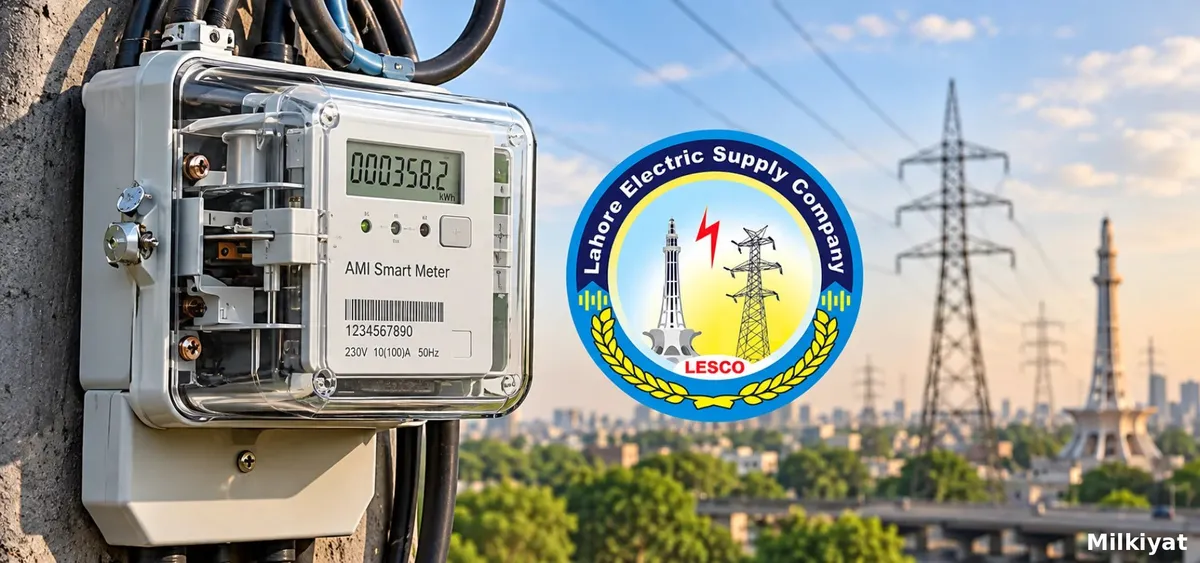
Lahore Electric Supply Company has started the procurement process for approximately 297,000 single-phase Advanced Metering Infrastructure smart meters, at an estimated cost of around Rs5 billion. The meters are planned primarily for consumers applying for new electricity connections, with replacement of defective conventional meters with AMI units also under consideration, pending required budget approval from the National Electric Power Regulatory Authority.
A Genuinely Confusing Recent Policy History Worth Understanding First
Before treating this announcement as a straightforward continuation of LESCO's metering strategy, it is worth understanding just how inconsistent that strategy has actually been over the past year. LESCO had earlier committed to procuring AMI smart meters exclusively for new connections following a Power Division policy banning installation of conventional static meters. Separately, NEPRA had set LESCO a specific target of installing 100,000 smart meters, split between single and three-phase units, in high loss areas specifically to combat electricity theft and line losses. Then, in July 2026, LESCO executed what was reported at the time as a genuine reversal, approving purchase of 400,000 ordinary static single-phase meters instead, dropping its AMI smart meter plan entirely in what one report described as a Rs1.70 billion policy U-turn. This new 297,000 meter, Rs5 billion AMI procurement now represents a further reversal back toward smart metering, meaning LESCO's actual metering technology direction has shifted more than once within a matter of months.
What This Specific Procurement Actually Covers
The current procurement covers single-phase AMI meters specifically, intended primarily for consumers seeking new electricity connections rather than existing customers. A separate component, replacing already defective conventional meters with AMI units, has also been discussed but explicitly requires NEPRA's separate budget approval before it can proceed, meaning this defective meter replacement piece remains conditional rather than confirmed.
Why AMI Metering Matters Differently From Conventional Meters
Advanced Metering Infrastructure meters record and transmit electricity usage data directly to the utility without requiring manual meter reading, enabling more accurate, timely billing and giving both the utility and consumer better visibility into actual consumption patterns. This technology has been positioned by LESCO and the Punjab government as a step toward more transparent billing and improved service delivery, distinct from the theft reduction and line loss motivations that have driven some of LESCO's other, more targeted smart meter deployments this year.
What Remains Unconfirmed
Given this same utility's documented reversal away from AMI meters just weeks earlier, whether this new 297,000 meter procurement actually proceeds to completion, rather than facing a further change in direction, remains a genuine open question rather than a foregone conclusion. No specific installation timeline or rollout schedule has been detailed alongside this procurement announcement.
What This Means for Lahore and Surrounding Property Markets
This development is particularly relevant for property markets in Lahore, Sheikhupura, Kasur, Okara, and Nankana Sahib, all within LESCO's service territory, where new residential and commercial connections would increasingly move onto remotely monitored smart metering if this procurement proceeds as planned. For new housing and commercial developments specifically, improved metering technology can make new connections, consumption monitoring, and billing meaningfully more transparent, a genuine benefit for developers and buyers alike once actually delivered. Given LESCO's own documented inconsistency on this exact question over the past year, developers and property buyers in these areas should treat confirmed, actual meter installation, rather than this procurement announcement alone, as the real indicator that new connections will genuinely move onto AMI technology.
What This Means for the Broader Punjab Electricity Distribution Sector
A confirmed Rs5 billion investment, if it proceeds without another reversal, represents a sizeable addition to Punjab's electricity distribution infrastructure spending, relevant context alongside other utility and grid investment already under way across the province. Property investors and businesses tracking Punjab's broader electricity infrastructure investment should watch for confirmation that this specific procurement is actually finalised and executed, given the genuine, documented volatility in LESCO's own metering strategy this year.