News
Middle East Escalation Pushes Oil Higher, Raising Fresh Construction Cost Risk for Pakistan

By Mariam Khan
Real Estate Analyst
5 min read
International oil prices moved higher this week as renewed conflict between the United States and Iran increased fears of prolonged supply disruption, with Brent crude reaching roughly 97 dollars per barrel and West Texas Intermediate trading around 91 to 93 dollars.
This Is Part of a Months Long, Highly Volatile Conflict, Not a Sudden New Shock
Understanding this week's price move requires understanding the fuller timeline it sits within. This same US-Iran conflict has been running since around February 2026, and has already produced dramatic price swings well beyond this week's levels. At the conflict's most extreme point in March, Brent briefly spiked to around 140 dollars per barrel, the highest level since 2008, after commercial shipping through the Strait of Hormuz was effectively halted. Prices later eased considerably following a ceasefire memorandum of understanding between the US and Iran in June, with Brent falling as low as 69 dollars per barrel by early July. Renewed attacks on tankers transiting the Strait later that same month pushed prices back up sharply, reaching as high as 105 dollars per barrel by late July, before easing again and now climbing once more through August and September. This week's roughly 97 dollar level sits within that same established pattern of volatility rather than representing an entirely new development.
Why the Strait of Hormuz Remains the Central Risk
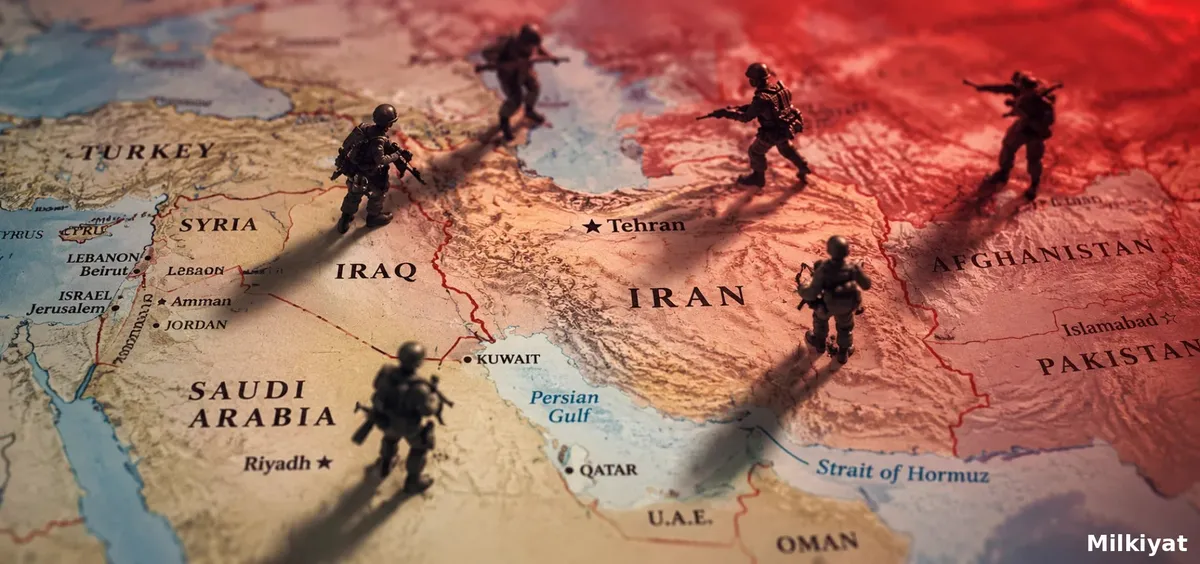
The Strait of Hormuz carries roughly a third of the world's total seaborne oil trade, making it the single most consequential chokepoint for global energy markets, and the recurring target of disruption throughout this conflict. Iran has not formally closed the strait at any point during the conflict, and US officials have stated Middle Eastern oil flows have returned close to normal levels in recent weeks even as tanker tracking data has continued to show significant disruption. This gap between official statements and independently tracked shipping data is itself a useful signal of how genuinely uncertain the supply picture remains.
Why Pakistan Specifically Carries Real Exposure
Pakistan relies heavily on imported crude oil and petroleum products to meet domestic demand, meaning sustained increases in international prices translate directly into a higher national import bill and corresponding pressure on domestic fuel prices. This exposure is structural rather than incidental, Pakistan's own energy security planning, including the government's ongoing work on strategic petroleum reserves and new bonded storage arrangements for foreign suppliers, has been explicitly designed around this same vulnerability to exactly this kind of Middle East supply disruption.
How This Feeds Into Domestic Construction Costs Specifically
Elevated international oil prices affect construction costs through several distinct channels simultaneously. Higher fuel prices directly raise the cost of transporting both raw construction materials and finished cement, steel, and other building products across the country. They also raise the operating cost of heavy construction machinery and equipment running on diesel at active building sites. Beyond these direct effects, sustained oil price pressure tends to feed into broader domestic inflation, which can in turn complicate the path toward further monetary policy easing, with knock on implications for development and mortgage financing costs more broadly.
What Analysts Are Currently Watching
Market analysts have offered a range of views on where prices head next. Citi has raised its third quarter Brent forecast to 86 dollars per barrel, up from an earlier 80 dollar estimate, citing expectations that a full reopening of the Strait of Hormuz will take longer than previously anticipated, while other analysts have lifted short term Brent forecasts toward 95 dollars per barrel. Separately, Iraq has increased its own oil exports substantially, raising August exports to around 2.34 million barrels per day, up from roughly 1.35 million barrels per day in July, a supply response that could help offset some of the disruption risk if sustained.
What Remains Genuinely Uncertain
Whether current prices represent a peak, a plateau, or the early stage of a further escalation depends entirely on how the underlying US-Iran conflict develops, a genuinely unpredictable factor given the pattern of sharp swings already seen this year. Given that prices have already moved between roughly 69 and 140 dollars per barrel within the same several month conflict, readers should treat any single week's price level as a snapshot within an ongoing, volatile situation rather than a stable new baseline.
What This Means for Construction and Development Costs in Pakistan
If elevated oil prices persist or escalate further, this could meaningfully increase construction material transport costs, heavy machinery operating expenses, and broader development costs across Pakistan's property and construction sector, compounding pressure that has already been building following the country's recent domestic fuel price increases. Developers and contractors currently budgeting projects should build genuine contingency into cost estimates for fuel and transport dependent line items specifically, given how demonstrably volatile this specific input has proven across the current year. Property investors and developers should treat this as one factor among several worth monitoring alongside domestic monetary policy and construction material pricing, rather than a standalone risk, since its ultimate impact on development costs will depend heavily on how long elevated prices are sustained.