News
Pakistan Plans Major Oil City at Hub With Deep Water Terminal and Storage Facilities
Real Estate Analyst
4 min read
Pakistan has started preliminary work on a proposed integrated Oil City at Hub, Balochistan, a major energy infrastructure plan that could expand industrial, storage and logistics activity along the Karachi and Balochistan corridor.
The project is expected to include an offshore Single Point Mooring facility, dedicated pipelines for crude oil and petroleum products, and large customs bonded storage facilities. A consultancy has been engaged to conduct a basic feasibility study, expected to take around two months before the government decides on the next stage.
For the property market, the plan is significant because the Oil City is proposed on state owned land at Hub that had previously been allocated for a coastal refinery.
The proposed Oil City would combine petroleum import handling, pipeline connectivity and storage infrastructure in one location.
The Ministry of Energy Petroleum Division has described the Hub project as a strategic energy terminal and storage complex intended to strengthen energy security, trade connectivity and supply reliability.
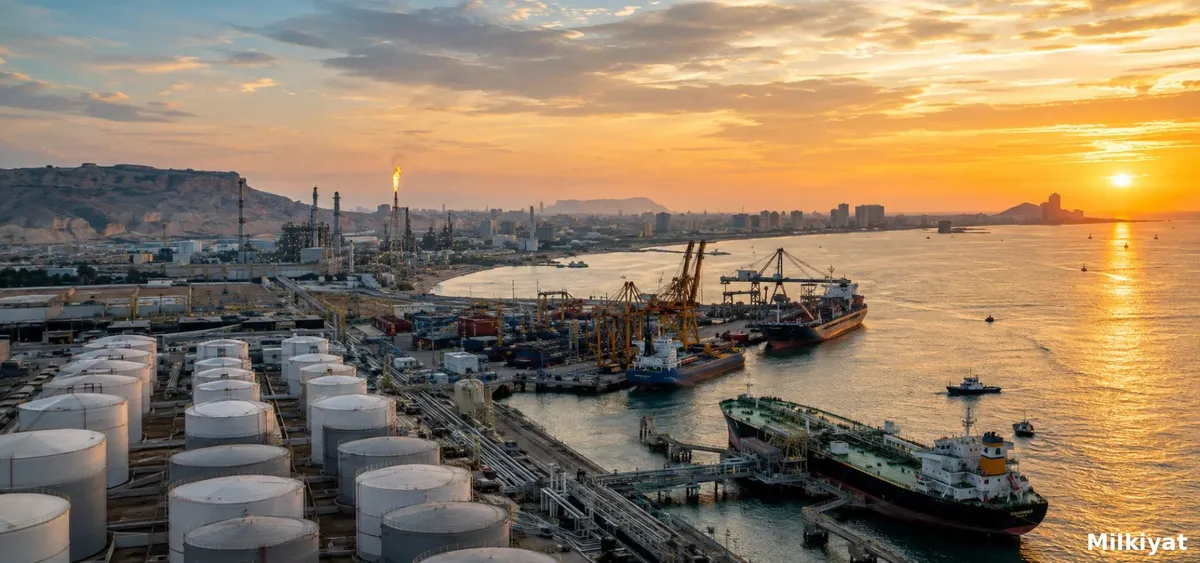
Under the current concept, an offshore Single Point Mooring would allow large oil vessels to unload in deep water. Dedicated pipelines would then connect the Hub facility with petroleum infrastructure around Keamari and Port Qasim.
This could give Hub a wider role in petroleum storage, transport and distribution.
Hub is already linked with major energy and industrial projects.
Pakistan State Oil and PARCO previously agreed to explore a terminal at Hub with a Single Point Mooring system. The official PSO announcement also covered pipeline infrastructure intended to strengthen the petroleum supply chain.
CDA has delayed awarding land to PIDE for six years despite receiving Rs4 billion, highlighting concerns over land transfers and Islamabad development.
RUDA has completed balloting for a 20 kanal hospital plot in Chaharbagh Phase I, with Sahara for Life Trust selected for the site. The project could strengthen healthcare access and social infrastructure across the emerging Ravi City district.
Naya Nazimabad Apartments REIT draws 8x investor demand, signaling growing confidence in REITs and new opportunities in Pakistan’s property market.
CDA is moving ahead with possession of developed plots in Sector C-14 Islamabad as basic infrastructure is completed and electricity work reaches its final stage. The update brings the sector closer to construction and practical residential use
Real Estate Analyst
4 min read
Pakistan has started preliminary work on a proposed integrated Oil City at Hub, Balochistan, a major energy infrastructure plan that could expand industrial, storage and logistics activity along the Karachi and Balochistan corridor.
The project is expected to include an offshore Single Point Mooring facility, dedicated pipelines for crude oil and petroleum products, and large customs bonded storage facilities. A consultancy has been engaged to conduct a basic feasibility study, expected to take around two months before the government decides on the next stage.
For the property market, the plan is significant because the Oil City is proposed on state owned land at Hub that had previously been allocated for a coastal refinery.
The proposed Oil City would combine petroleum import handling, pipeline connectivity and storage infrastructure in one location.
The Ministry of Energy Petroleum Division has described the Hub project as a strategic energy terminal and storage complex intended to strengthen energy security, trade connectivity and supply reliability.
Under the current concept, an offshore Single Point Mooring would allow large oil vessels to unload in deep water. Dedicated pipelines would then connect the Hub facility with petroleum infrastructure around Keamari and Port Qasim.
This could give Hub a wider role in petroleum storage, transport and distribution.
Hub is already linked with major energy and industrial projects.
Pakistan State Oil and PARCO previously agreed to explore a terminal at Hub with a Single Point Mooring system. The official PSO announcement also covered pipeline infrastructure intended to strengthen the petroleum supply chain.
CDA has delayed awarding land to PIDE for six years despite receiving Rs4 billion, highlighting concerns over land transfers and Islamabad development.
RUDA has completed balloting for a 20 kanal hospital plot in Chaharbagh Phase I, with Sahara for Life Trust selected for the site. The project could strengthen healthcare access and social infrastructure across the emerging Ravi City district.
Naya Nazimabad Apartments REIT draws 8x investor demand, signaling growing confidence in REITs and new opportunities in Pakistan’s property market.
CDA is moving ahead with possession of developed plots in Sector C-14 Islamabad as basic infrastructure is completed and electricity work reaches its final stage. The update brings the sector closer to construction and practical residential use
A separate deep conversion refinery is also planned at Hub. A Press Information Department update in June 2026 described the proposed 4.5 billion dollar refinery project as important for industrial growth and energy security.
Together, these projects show why Hub is increasingly being considered for large scale energy and logistics investment.
The main Milkiyat angle is the potential impact on industrial land use.
Large petroleum storage and pipeline projects can create supporting demand for warehouses, transport yards, maintenance facilities, offices and related industrial services.
PSO already operates a large national fuel storage network, according to its official storage infrastructure overview. If the Hub Oil City moves into construction, it could strengthen the area's role as a storage and logistics corridor serving both Balochistan and Karachi.
However, it is too early to assume an immediate rise in nearby land prices. The project remains at the feasibility stage and no final development decision has yet been announced.
The proposed pipelines are important because they would connect Hub with existing petroleum infrastructure rather than leaving the Oil City as an isolated storage site.
One proposed link would carry crude oil toward Keamari, while another would move finished petroleum products toward Port Qasim and the wider pipeline network.
For industrial property, this kind of connectivity can attract businesses that depend on reliable transport, storage and distribution.
The feasibility study is now the key milestone.
Property and industrial investors should watch for final government approval, the exact land area assigned to the project, pipeline routes, investment commitments and construction contracts.
Environmental approvals, financing and implementation timelines will also determine whether the proposal moves from planning into physical development.
Until those steps are confirmed, nearby land should not be valued only on expectations created by the Oil City announcement.
The proposed Oil City could strengthen Hub's position as a major industrial and logistics location if it proceeds beyond feasibility.
Its combination of deep water petroleum handling, storage and pipeline connectivity could support new industrial activity and increase the economic use of strategically located land around Hub.
For property investors, the strongest signals will come from final approval, land development and actual construction rather than the initial announcement alone.
For continued coverage of infrastructure projects and their impact on Pakistan's property market, readers can follow Milkiyat.
A separate deep conversion refinery is also planned at Hub. A Press Information Department update in June 2026 described the proposed 4.5 billion dollar refinery project as important for industrial growth and energy security.
Together, these projects show why Hub is increasingly being considered for large scale energy and logistics investment.
The main Milkiyat angle is the potential impact on industrial land use.
Large petroleum storage and pipeline projects can create supporting demand for warehouses, transport yards, maintenance facilities, offices and related industrial services.
PSO already operates a large national fuel storage network, according to its official storage infrastructure overview. If the Hub Oil City moves into construction, it could strengthen the area's role as a storage and logistics corridor serving both Balochistan and Karachi.
However, it is too early to assume an immediate rise in nearby land prices. The project remains at the feasibility stage and no final development decision has yet been announced.
The proposed pipelines are important because they would connect Hub with existing petroleum infrastructure rather than leaving the Oil City as an isolated storage site.
One proposed link would carry crude oil toward Keamari, while another would move finished petroleum products toward Port Qasim and the wider pipeline network.
For industrial property, this kind of connectivity can attract businesses that depend on reliable transport, storage and distribution.
The feasibility study is now the key milestone.
Property and industrial investors should watch for final government approval, the exact land area assigned to the project, pipeline routes, investment commitments and construction contracts.
Environmental approvals, financing and implementation timelines will also determine whether the proposal moves from planning into physical development.
Until those steps are confirmed, nearby land should not be valued only on expectations created by the Oil City announcement.
The proposed Oil City could strengthen Hub's position as a major industrial and logistics location if it proceeds beyond feasibility.
Its combination of deep water petroleum handling, storage and pipeline connectivity could support new industrial activity and increase the economic use of strategically located land around Hub.
For property investors, the strongest signals will come from final approval, land development and actual construction rather than the initial announcement alone.
For continued coverage of infrastructure projects and their impact on Pakistan's property market, readers can follow Milkiyat.
