News
Pakistan Seeks IFC Support to Expand Housing Finance

By Mariam Khan
Real Estate Analyst
4 min read
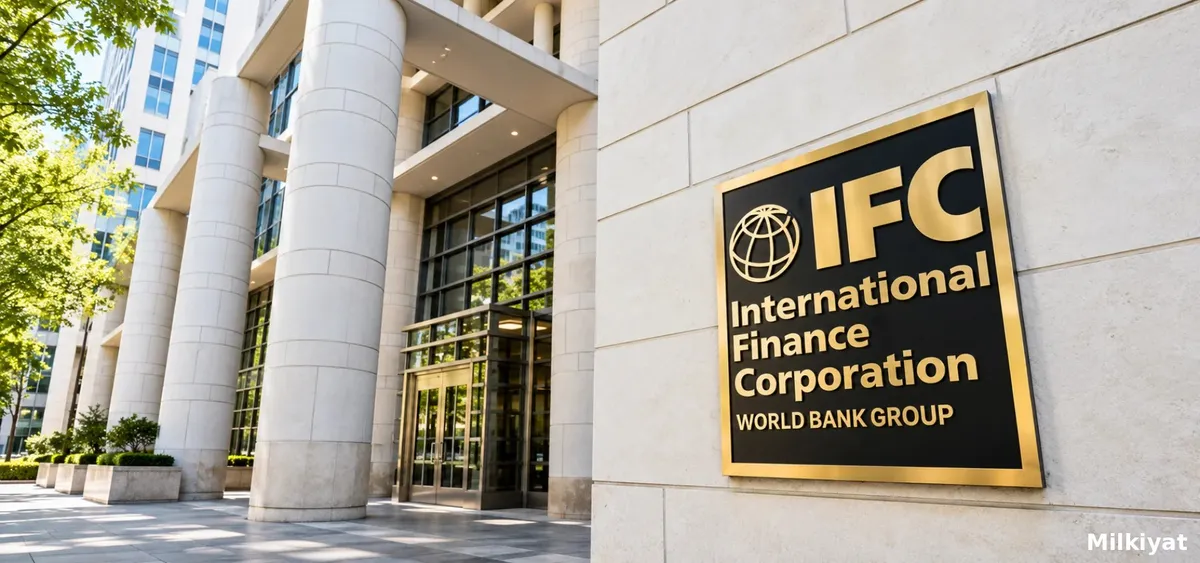
The federal government has asked the International Finance Corporation to support efforts to expand access to housing finance in Pakistan, while work is underway on strengthening the country's institutional framework for home financing. Federal Economic Affairs Minister Ahad Cheema told IFC and World Bank representatives that the government wants to make financing more accessible for people seeking to build their own homes. Housing finance has been identified alongside SMEs and public private partnerships as a priority under the World Bank Group's 2026-35 Country Partnership Framework, under which up to 2 billion dollars annually is expected to be mobilised in Pakistan.
Why Housing Finance Sits Alongside SMEs and PPPs in This Framework
Grouping housing finance together with small and medium enterprise support and public private partnerships within the same Country Partnership Framework priority list signals that Pakistan's government and its multilateral partners view expanding home financing access as comparable in strategic importance to broader private sector development, rather than treating it as a narrower, standalone social housing initiative. This framing matters because it suggests housing finance reform is likely to draw on the same institutional and policy attention channels typically reserved for Pakistan's wider private sector financing agenda.
Why Pakistan's Housing Finance Market Has Long Needed This Kind of Support
Pakistan has historically had one of the smallest mortgage and housing finance markets relative to GDP among comparable economies, with home financing remaining largely inaccessible to a large share of the population despite persistent housing demand across both urban and rural areas. A dedicated push for IFC support specifically targets this long standing structural gap, and the explicit mention of strengthening the institutional framework for home financing suggests the effort is aimed at building more durable, systemic capacity rather than a one time funding injection alone.
Why the Ten Year Framework Timeline Matters More Than a Single Announcement
The 2026 to 2035 Country Partnership Framework timeline signals this is intended as a sustained, multi year institutional commitment rather than a short term funding programme, and the up to 2 billion dollars annually figure represents the scale of resources the World Bank Group expects to mobilise across the framework's full set of priorities, not a figure earmarked exclusively for housing finance. Property market participants should treat this as an early stage institutional commitment whose actual impact on mortgage availability and terms will depend on how the housing finance component specifically is designed and rolled out over the coming years.
Why This Could Meaningfully Change Who Can Actually Buy Property
Expanded, more accessible housing finance would directly affect a segment of Pakistan's population that has historically been priced out of formal home financing altogether, potentially broadening the pool of genuine buyers able to purchase property through mortgage financing rather than relying entirely on cash purchases or informal family financing arrangements. This is a structurally different kind of demand driver than infrastructure or connectivity improvements, since it works directly on the financing side of the transaction rather than the underlying property or location itself.
What This Means for Pakistan's Property Market Going Forward
Developers, lenders, and property buyers should treat this as an encouraging early signal for the housing finance sector's institutional direction, while recognising that meaningful change in actual mortgage accessibility, rates, and terms will depend on how this IFC and World Bank engagement translates into concrete policy and market reforms over the coming years rather than an immediate shift in financing conditions. Given the ten year framework horizon, this is a longer term structural development worth tracking rather than a signal that housing finance terms will change imminently.