News
Punjab Plans 150,900 Smart Water Meters for Lahore, Rawalpindi and Faisalabad

By Mariam Khan
Real Estate Analyst
4 min read
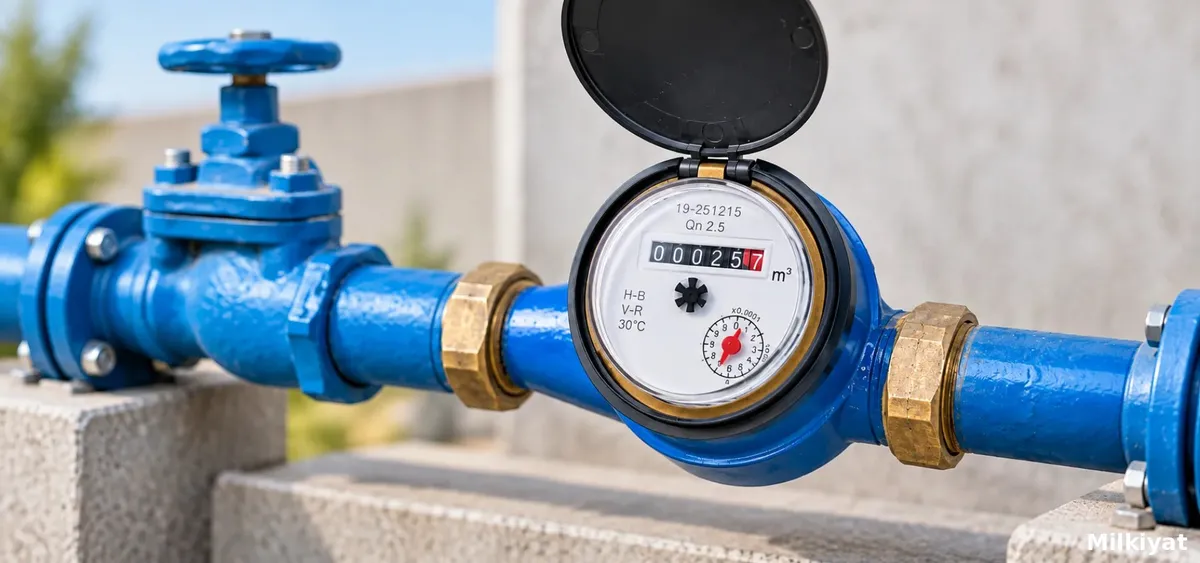
The Government of Punjab has decided to accelerate installation of smart water meters across the province, with 150,900 meters planned for Lahore, Faisalabad, and Rawalpindi by 2029. According to WASA officials, a total of 1,509,288 water meters are ultimately required across all of Punjab to fully meter the province's water supply network.
What the Smart Metering System Actually Does
The system will use automated meter readings, removing the need for staff to manually visit properties for meter readings and making the billing process more transparent. This shift toward automatic, remote monitoring is intended to reduce manual intervention in how water consumption is measured and billed, directly changing how residential and commercial properties are charged going forward.
The Genuinely Important Connection to Mandatory Recharge Wells
This metering push is not happening in isolation, and connects to a considerably more consequential policy change already affecting new construction across Punjab. Earlier this year, WASA introduced a policy making groundwater recharge wells mandatory for new homes across the province, requiring builders to follow specific rules when constructing new residential properties, with WASA responsible for checking compliance. This recharge well requirement is designed so that every new home contributes to groundwater recharge, directly responding to a documented, severe decline in Punjab's groundwater table, which has already dropped beyond 700 feet in some areas due to drought, reduced rainfall, and the loss of open soil areas to development.
The Groundwater Recharge Wells Programme in Detail
Work on 70 recharge wells is currently under way across Punjab, with 20 already fully operational. Of the remaining wells, 40 are planned for Lahore, 25 for Multan, and five for Faisalabad, with authorities targeting conservation of 11.4 million gallons of water annually through this specific network. The recharge well approach works by channelling rainwater underground during the rainy season rather than allowing it to run off through drains, with open land maintained along parks, offices, plazas, and roads specifically to support this process using modern, accelerated infiltration techniques.
The Broader Development Programme This Sits Within
Both the metering and recharge well initiatives form part of a considerably larger Punjab Development Programme, under which WASA's network, now expanded to 41 Water and Sanitation Agencies across the province, is executing development projects worth Rs205 billion across 15 major cities, including Faisalabad, Rawalpindi, Multan, Gujranwala, and several other districts. These broader projects aim to upgrade water supply networks, improve sewerage systems, and reduce urban flooding risk simultaneously alongside the metering and groundwater conservation work.
What Remains Unconfirmed
The specific cost of the smart metering rollout itself, and the precise mechanism for how mandatory recharge well compliance will be verified and enforced for new construction across all 41 WASAs, have not been fully detailed. Given that only 150,900 of the 1,509,288 total meters required province wide are currently planned by 2029, the great majority of Punjab's water connections will remain unmetered under current plans even once this specific phase is complete.
What This Means for Homeowners, Commercial Properties and Housing Societies
Smart metering will directly change how residential and commercial properties in Lahore, Rawalpindi, and Faisalabad are billed for water once installed, shifting from estimated or manually read consumption to automated, presumably more precise, usage based billing. Property owners and housing societies in these three cities should expect water charges to more closely reflect actual measured consumption going forward, a potentially significant change for properties that may have benefited from imprecise manual billing in the past. Developers and builders anywhere in Punjab planning new residential construction should treat the mandatory recharge well requirement as a genuine, active compliance obligation, given that this rule is already in effect and enforced through WASA rather than a future proposal.
What This Means for Future Development Requirements
Given the documented severity of Punjab's groundwater decline, developers and housing societies should expect continued regulatory attention to groundwater conservation requirements for new construction, since the current recharge well mandate reflects a genuine policy response to an already serious resource constraint rather than a precautionary measure. Property buyers and investors evaluating new developments in Punjab's major cities should confirm a specific project's compliance with current recharge well requirements as part of standard due diligence going forward.