News
Punjab Plans Riverfront Hotel at Lahore's Kamran's Baradari Under Expanded 15 Acre Development

By Mariam Khan
Real Estate Analyst
4 min read
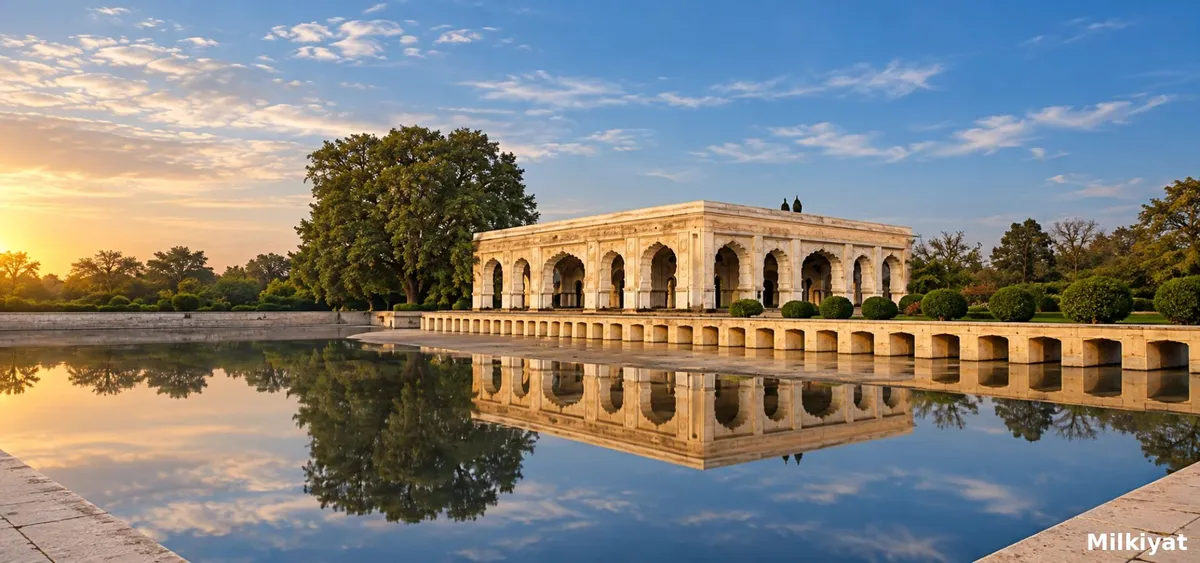
The historic Kamran's Baradari in Lahore is set to undergo restoration and beautification following fresh directives from the Punjab housing department, with the provincial government approving expansion of the site's restoration and uplift project from five acres to 15 acres. The plan includes construction of a riverfront hotel, alongside a restaurant, picnic spots, and landscaped gardens.
What the Full Development Plan Actually Includes
Beyond the hotel itself, the surrounding area will feature a dedicated access road to make the monument more easily accessible, boat rides connecting visitors to the site, and a heritage museum specifically intended to showcase the location's Mughal history and cultural significance. Officials from the Parks and Horticulture Authority, which is leading the project, have said conservation efforts for heritage sites across Lahore have been fast tracked, with the long neglected structure expected to regain what officials describe as its lost grandeur.
Why This Specific Site Carries Genuine Historical Weight
Kamran's Baradari is believed to be the oldest surviving Mughal structure in Lahore, built in 1540 by Kamran Mirza, a son of the first Mughal emperor Babur and brother of the second Mughal emperor Humayun, following Kamran's seizure of Lahore after Babur's death in 1530. The pavilion originally stood on the western bank of the River Ravi, but shifting river courses over the centuries have left it standing on an island in the middle of the river today. It served as a Mughal royal retreat until the 18th century, before Sikh ruler Ranjit Singh converted it into a jail in 1799, a function it retained until being abandoned during the 1947 Partition. The structure remained derelict for decades before an earlier restoration effort by the Lahore Conservation Society in 2006 first returned it to public use as a heritage attraction.
This Is Not the Site's First Restoration Push
Punjab's government has directed attention toward Kamran's Baradari's restoration on more than one occasion in recent years, with earlier provincial planning specifically citing Lahore's Greater Iqbal Park as a design reference point for revamping the site through new landscaping, fountains, and tree planting. This latest plan represents a considerably more ambitious version of that same underlying restoration ambition, now expanded to include commercial hospitality infrastructure and a significantly larger development footprint than previously planned.
Why the Expanded Footprint and Hotel Component Matter
Growing the restoration project's area from five to 15 acres, while adding a riverfront hotel, restaurant, and dedicated access road, shifts this project meaningfully beyond pure monument conservation into genuine commercial tourism infrastructure. This combination reflects a broader pattern increasingly visible in how Lahore's heritage sites are being redeveloped, pairing historical preservation with hospitality and commercial facilities intended to generate sustained visitor activity and revenue around the site itself, rather than restoring a monument in isolation.
What Remains Unconfirmed
No specific budget figure, hotel capacity, or construction timeline has been detailed alongside this announcement. Given the site's island location in the middle of the River Ravi, the specific engineering approach for the access road and any flood resilience measures built into the surrounding development would be worth watching for in future project details, given the location's inherent exposure to the river's seasonal behaviour.
What This Means for Development Along the Ravi Corridor
A riverfront hotel and expanded commercial tourism development at Kamran's Baradari signals genuine momentum behind combining heritage conservation with hospitality investment along Lahore's River Ravi corridor specifically. Businesses and investors evaluating hospitality or tourism adjacent opportunities near the Ravi should watch this project's progress closely, since a successfully delivered riverfront hotel and museum complex at a site with this level of historical significance could meaningfully increase visitor traffic and, in turn, commercial interest in the surrounding riverfront area more broadly. Given the project's still early stage, with budget and timeline details yet to be confirmed, this should currently be treated as a strong signal of development direction rather than an imminent, fully scheduled commercial opening.