News
Rs2.1tn Water Programme Targets Flood Protection and 12.8 MAF Additional Storage

By Mariam Khan
Real Estate Analyst
5 min read
The federal government has earmarked Rs74.92 billion for 35 water sector projects under the Public Sector Development Programme 2026-27, part of a broader programme carrying a combined estimated cost of Rs2.102 trillion. The projects span dams, irrigation infrastructure, flood management, urban water supply, and real time monitoring, with a stated throw forward of Rs880.267 billion as of 1 July.
The Scale of What This Programme Aims to Protect
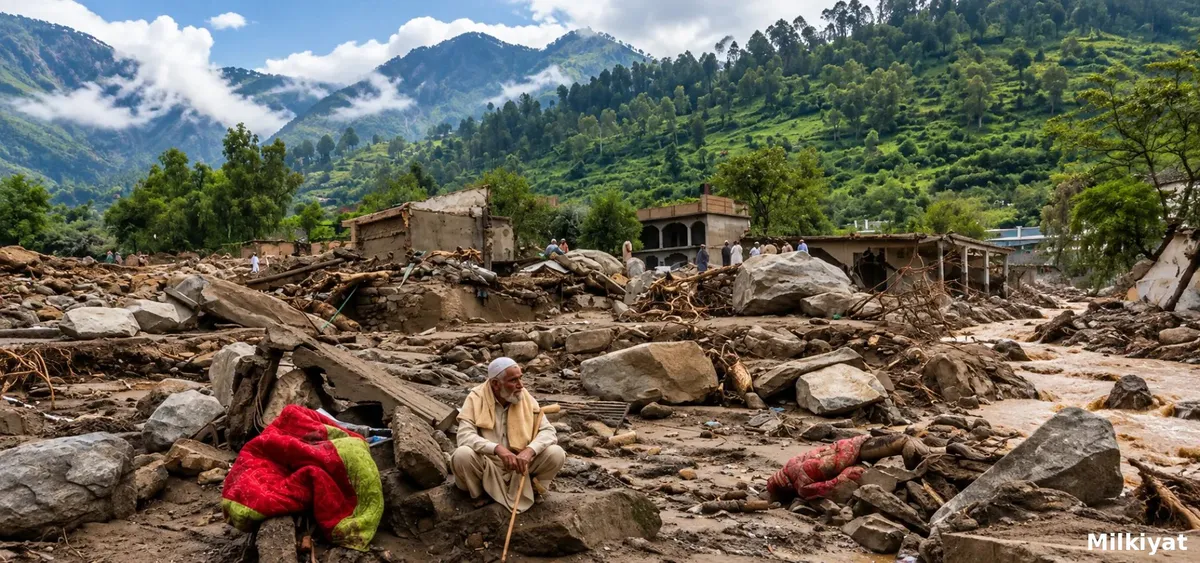
According to figures, the flood protection measures within this programme are intended to safeguard approximately 15.76 million people, 2.276 million houses, and 8.05 million acres of agricultural land. The programme's scope extends to protecting 76 schools, 331 kilometres of metalled roads, 64 villages, 223 tube wells, 80 miles of irrigation canals, and 12 basic health units, alongside coverage for 3,825 farm families and reclamation of 121 acres of land.
Why the 12.8 MAF Storage Target Matters Nationally
The additional 12.8 million acre feet of water storage capacity this programme aims to deliver connects directly to a specific, official national target under Uraan Pakistan, the government's long term economic transformation plan. That framework aims to increase the country's surface water storage from 13.5 million acre feet in 2023-24 to 23.5 million acre feet by 2029. If the projects within this specific programme are fully delivered, total storage capacity could rise as high as 26.3 million acre feet, exceeding the original Uraan Pakistan target for this period.
What the Flood Resilience Component Specifically Includes
Flood resilience forms a major pillar of the programme, covering implementation of the National Flood Protection Plan, an updated umbrella PC-I for the Flood Protection Sector Project-III, a JICA supported flood management initiative in the Indus Basin, and restoration of flood damaged sections of the Kachhi Canal, which alone involves restoring 323.47 kilometres of canal infrastructure.
The Government's Own Longer Term Ambition for This Sector
Beyond this specific programme, the government has set a broader goal of increasing the water sector's overall share of total PSDP allocations by 20 percent by 2030, up from a stated current baseline share of 10.52 percent. This suggests the current Rs74.92 billion allocation is intended as part of a sustained, multi-year increase in water sector investment rather than a single year's peak commitment.
Why This Matters Given the Sector's Documented Funding Pressure
This programme's announcement follows a year of genuine, publicly debated concern over water sector funding adequacy. Earlier budget discussions this year had raised concern that a proposed Rs179 billion water and hydropower allocation for the same fiscal year was insufficient for the scale of ongoing dam and reservoir projects already under way, with the eventually approved allocation for that specific hydropower focused category coming in even lower, at roughly Rs103 billion. Understanding this context matters because it shows the water sector has faced real, documented funding constraints this budget cycle, making the specific composition and follow through on this 35-project, Rs2.102 trillion programme genuinely significant to track rather than assuming smooth, fully funded delivery.
What Remains Unconfirmed
Given the sector's documented funding pressure earlier this same budget cycle, and the sheer scale of a Rs2.102 trillion total programme cost against a considerably smaller Rs74.92 billion current year allocation, the multi-year funding trajectory required to fully deliver all 35 projects has not been detailed. A specific project by project completion timeline, and confirmation of how the remaining balance beyond this year's allocation will be secured across future budget cycles, both remain open questions.
What This Means for Land Values and Development Approvals
Flood protection and water availability increasingly shape housing suitability, land values, and development approval decisions across Pakistan, particularly following the severe flooding experienced in recent years. Genuine, delivered flood protection infrastructure covering the millions of people and acres of land this programme targets could meaningfully improve development viability and reduce risk premiums in previously flood exposed areas, while the additional storage capacity could support more predictable water availability for both urban and agricultural land use planning. Property owners, developers, and investors evaluating land in flood prone or water stressed regions should treat confirmed, project specific completion, not the overall programme announcement alone, as the actual indicator of improved conditions in any particular location.
What This Means for Construction and Land Development Activity
A programme of this scale, spanning dams, canals, and flood infrastructure across multiple provinces, represents a substantial pipeline of construction activity in its own right, with direct relevance for contractors, construction material suppliers, and land development in the immediate vicinity of major project sites. Businesses and investors connected to construction and infrastructure development should watch for confirmation of individual project funding and construction schedules as these 35 projects move from budget allocation toward actual, on the ground implementation.