News
Pakistan Approves Rs275 Billion for Water Projects as Revised Costs of Three Mega-Dams Reach About Rs3.5 Trillion
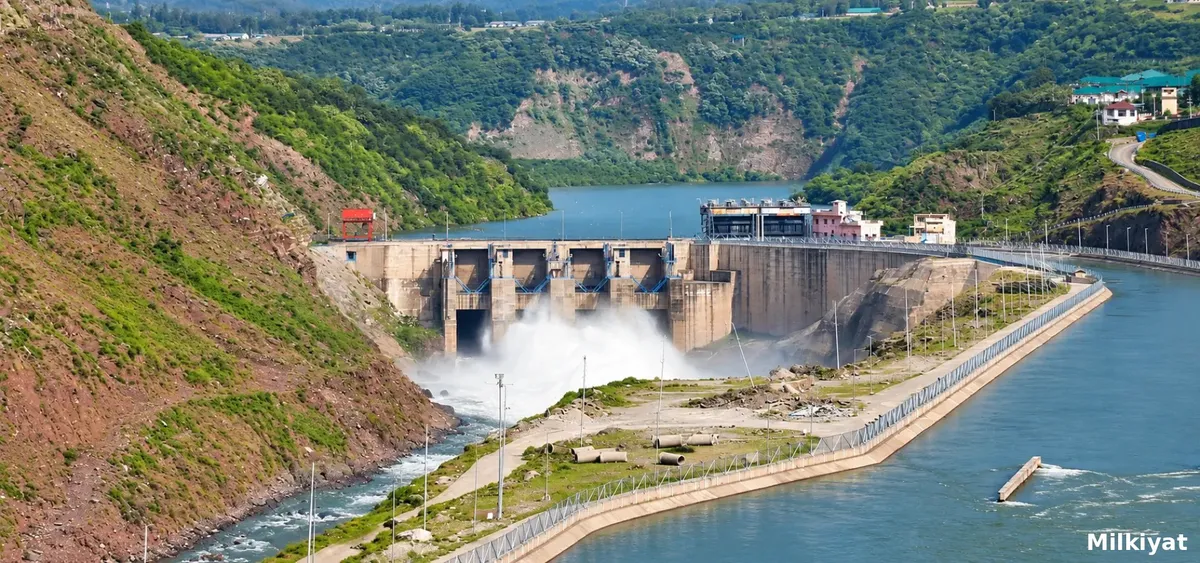

By Mariam Khan
Real Estate Analyst
3 min read
The Economic Coordination Committee (ECC), chaired by Finance Minister Muhammad Aurangzeb, has approved a Rs275 billion supplementary grant for major water infrastructure projects, according to an official government statement on the decision of November 4, 2026, and reports published on November 5. The grant is approved, but actual disbursement depends on government revenue receipts. The decision does not show that all the projects have received full funding or that construction will speed up at once.
The Projects
The projects identified in subsequent reporting are the Diamer-Bhasha Dam, the Dasu Hydropower Project, the Mohmand Dam, the Chashma Right Bank Canal, the Greater Karachi Bulk Water Supply Scheme and the Kachhi Canal. The reports we have seen do not say how the Rs275 billion is divided among them, so we do not state any project's share. Finance policy is published by the Ministry of Finance.
Revised Cost Estimates
The reports also gave revised estimated costs for three of the dams:
- Diamer-Bhasha: Rs1.12 trillion, up 134 percent.
- Dasu: Rs1.74 trillion, up 260 percent.
- Mohmand: Rs666 billion, up 115 percent.
These are revised project estimates reported on November 5. They are not new construction contracts. The reports we have seen do not say what earlier estimate each percentage is measured against, so we do not work out the earlier figures. The three revised estimates add up to about Rs3.5 trillion (our own calculation), which is the total in the reports' headline.
What Is Not Known
The reports do not say why the costs rose by these amounts, apart from general pressures, or when each project is due. They also do not say whether the revised figures have been approved as project budgets. We make no finding on any project.
Why This Matters for Property
Continued funding could support construction of major water infrastructure, with longer-term implications for water availability, electricity generation, flood resilience and development around areas the projects serve. The large cost increases also show how inflation, currency depreciation and construction-material pressures affect big projects in Pakistan. No direct effect on property prices has been established.
What This Means for Contractors and Investors
Contractors working on these projects should look to actual releases, not the approval. Investors in areas near the projects should not assume earlier completion. The signals to watch are the release of funds, the revised project budgets, progress on site and the next quarterly revenue figures.