News
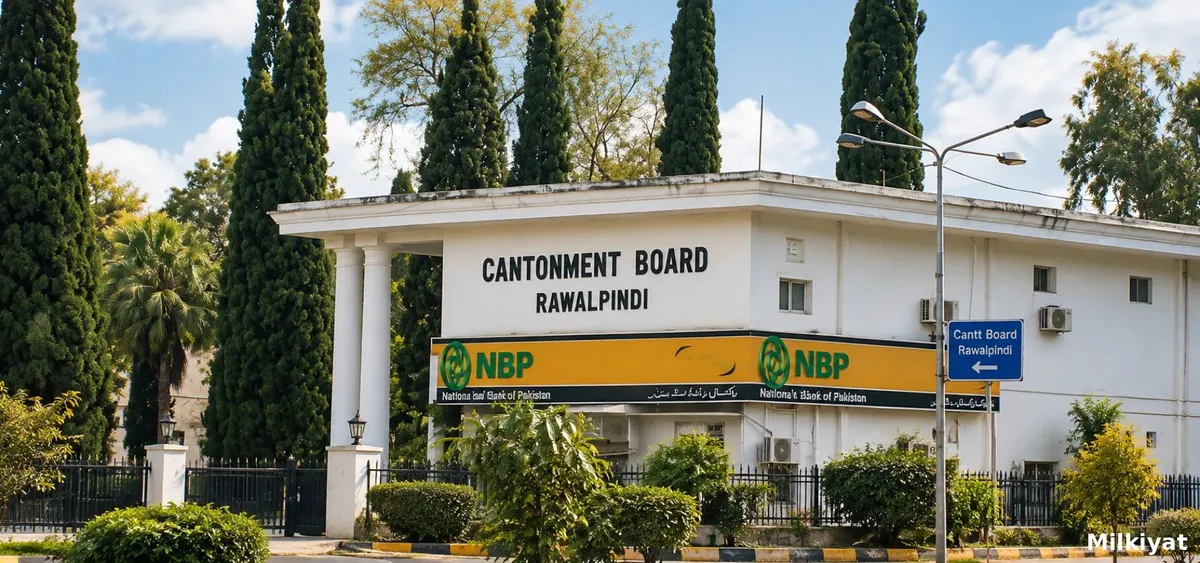
Rawalpindi Cantt Inspection Finds Building Violations in 100 Commercial Properties

By Mariam Khan
Real Estate Analyst
3 min read
A special inspection team formed by the Rawalpindi Cantonment Board has examined roughly 100 commercial building files and sites across the cantonment area and identified alleged unapproved construction, parking violations, setback breaches, and deviations from approved building plans. The board has suspended four building inspectors and dismissed one as a direct result of the findings, and officials have said the inspection drive will continue ward by ward across all ten cantonment wards.
What the Inspection Uncovered
The review focused specifically on commercial properties, cross checking each site against its officially approved building plan to look for unauthorised additions, floors built beyond sanctioned limits, and parking or setback space that had been encroached upon or converted for other use. According to reporting by The Express Tribune, the scale of the violations found across the sampled files was significant enough to prompt immediate disciplinary action against the inspectors responsible for having originally cleared or overseen those properties, rather than waiting for the full ward wise review to conclude.
Why Building Control Sits With the Cantonment Board
Cantonment areas in Pakistan fall under a distinct regulatory structure from municipal city administrations, with building control, plan approval, and compliance enforcement handled directly by the local cantonment board under the oversight of the federal Military Lands and Cantonments Department rather than provincial development authorities. This gives cantonment boards like Rawalpindi's both the authority to approve commercial building plans in the first place and the responsibility to catch and penalise deviations from those plans, which is what the current internal disciplinary action against the board's own inspectors reflects.
What This Means for Buyers and Tenants in Cantonment Areas
The inspection has not resulted in a public list of the specific properties found to be in violation, which means buyers, tenants, and businesses looking to lease or purchase commercial space in Rawalpindi Cantonment currently have no straightforward way to check whether a given property was among those flagged. Anyone considering a commercial property in the cantonment should independently verify the approved building plan, confirm the property's completion and occupancy status with the board, and check that parking provision and composition dues are properly settled before finalising a transaction, particularly while the wider ward by ward inspection is still ongoing and could surface further cases.
What Remains Unclear
The Rawalpindi Cantonment Board has not released details of which specific commercial buildings or sectors within the cantonment were among the 100 files reviewed, nor has it given a timeline for when the remaining wards will be covered. Given that this same inspection is still active, additional inspectors or property owners could face action as the review proceeds, and the current disciplinary measures against four suspended and one dismissed inspector should be read as an early, partial result rather than the conclusion of the process.