News
Pakistan Receives 4,000 Tonnes of LPG at Port Qasim Amid Energy Supply Concerns

By Mariam Khan
Real Estate Analyst
2 min read
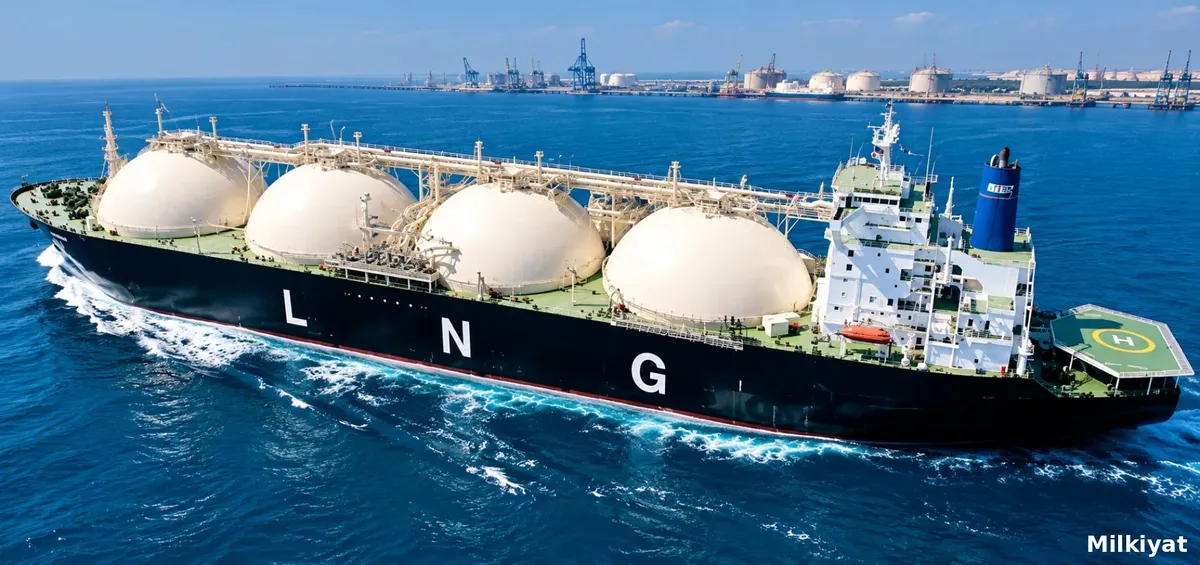
A vessel carrying 4,000 metric tonnes of liquefied petroleum gas (LPG) from Bahrain arrived at Port Qasim on October 24, 2026. According to the Port Qasim Authority (PQA), the vessel Yellowstone berthed at 8:42 AM and handling operations began. The shipment comes amid concern about LPG shortages and rising prices in Pakistan. The arrival is confirmed. There is no verified evidence yet that the shipment has reduced retail LPG prices.
What Arrived
The Yellowstone brought 4,000 tonnes of LPG from Bahrain. The reports we have seen do not say who imported it, how long the supply will last or how it will be distributed. We therefore do not estimate how much of the market's needs it covers.
The Border Reopening
The reports note that the shipment coincides with the reopening of the Gabd-Rimdan border crossing with Iran, which had been closed for about a week. The reports do not say that the two events are linked, or how much LPG normally crosses at that point, so we treat them as separate developments that happened at the same time.
What Is Not Known
The reports do not give current retail LPG prices, the size of the shortage or the dates when stocks might reach consumers. Fuel pricing and supply for LPG are overseen by the Oil and Gas Regulatory Authority. The reports do not say whether the regulator has changed any price because of the shipment.
Why LPG Matters for Buildings
LPG availability affects residential buildings without piped natural gas and commercial properties that rely on alternative fuels. Improved supplies could ease operating costs, depending on distribution and retail prices. The reports give no cost figures and do not link LPG to property values, and we do not claim any effect.
What This Means for Households, Owners and Businesses
Households and businesses that depend on LPG cylinders should not expect an immediate drop in prices from one shipment. Building owners who use LPG for kitchens or heating should compare prices from registered suppliers. The signals to watch are the retail price notified by the regulator, further shipments, supply at local distributors and the border's continued operation.